
THE GOLDEN AGE OF THE PORTLAND MUSIC SCENE
It's our humble opinion that Portland, Oregon, for a brief period in the 1980s, had the best music scene IN THE WORLD.* I should qualify this by saying we only had New York and L.A. to compare it to: New York, where famous jazz guys were making fifty bucks a night, and L.A., where you had "Pay to Play." [I.e., Sell tickets to get a slot on the club stage, where you'd get exposure and hopefully gain the attention of an A&R man from a major label. People die of exposure.]
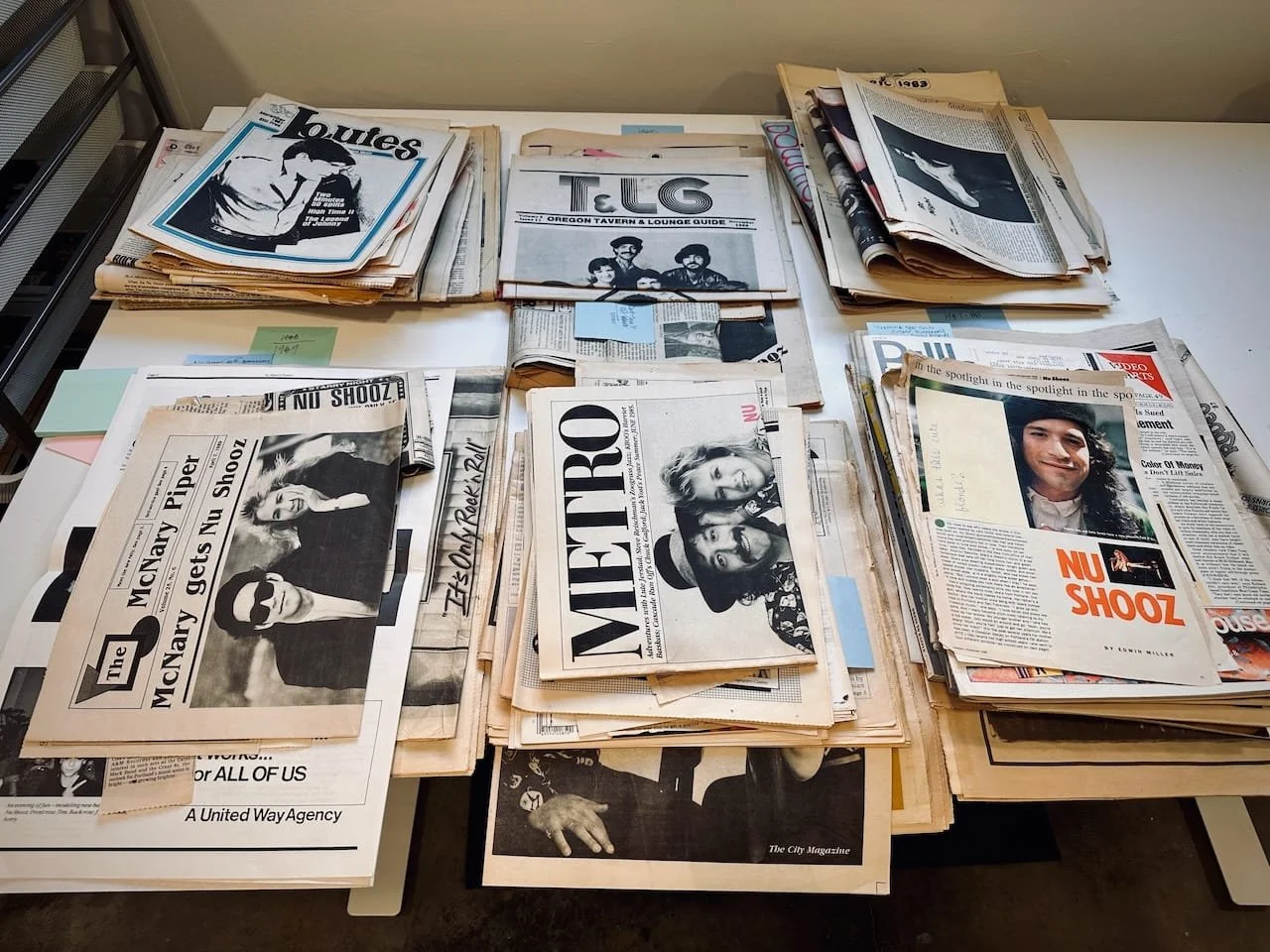
Portland was different. For a Golden Period, from around 1980-86, dozens of clubs opened. There was a brief relaxation in Oregon’s strict liquor laws. This came at the exact moment when Nu Shooz changed from a struggling four-piece to a nine-piece band with four horns.

The Key Largo calendar circa 1984.
It’s our humble opinion that Portland, Oregon, for a brief period in the 1980s, had the best music scene IN THE WORLD.* I should qualify this by saying we only had New York and L.A. to compare it to: New York, where famous jazz guys were making fifty bucks a night, and L.A., where you had “Pay to Play.” [I.e., Sell tickets to get a slot on the club stage, where you’d get exposure and hopefully gain the attention of an A&R man from a major label. People die of exposure.]
Portland was different. For a Golden Period, from around 1980-86, dozens of clubs opened. There was a brief relaxation in Oregon’s strict liquor laws. This came at the exact moment when Nu Shooz changed from a struggling four-piece to a nine-piece band with four horns.
There were ten clubs within a mile radius of downtown. We worked every weekend for seven years. Nobody was getting rich, but our lives felt rich. And it was a unique situation at that time. The Last Hurrah, for instance, wanted sixty percent original music, and that’s what the audience wanted, too.
A video has just surfaced that describes the joy of that era and what brought it to an end. It’s a Cable Access show filmed in 1987 called PDX Rocks, hosted by Pat Snyder. Pat was one of the main photographers capturing that world as it unfolded. In this clip, she’s interviewing two of the most important club owners from that period, Peter Mott (The Last Hurrah) and Tony Demacoli (The Long Goodbye, Luis La Bamba, Key Largo.) Their contributions to that scene AND to the career of NU SHOOZ are beyond measure.
A few of the bands eventually got record deals and dropped out of the club scene. Billy Rancher, one of the biggest local stars, was about to be signed when he died of cancer. According to Peter Mott, all this siphoned off a lot of the top talent.
But other forces conspired to bring that golden period to an end. A recession drove up unemployment. The price of liability insurance for the clubs exploded by 600%, and as Tony pointed out, people had other entertainment options. Cable T.V. and the VCR reached critical mass around 1982, and I swear, you could feel it from the bandstand. The audience was staying home.
No scene lasts forever. We were lucky to live in a time period when it was great to be young musicians. And we’re grateful for intrepid club owners like Peter Mott and his brother Michael and Tony Demicoli, who worked so hard to make that scene happen and made our artistic lives possible.
*I guess Manchester, England, had its own Golden Era around the same time, but that was a faraway land, and it was pre-internet.
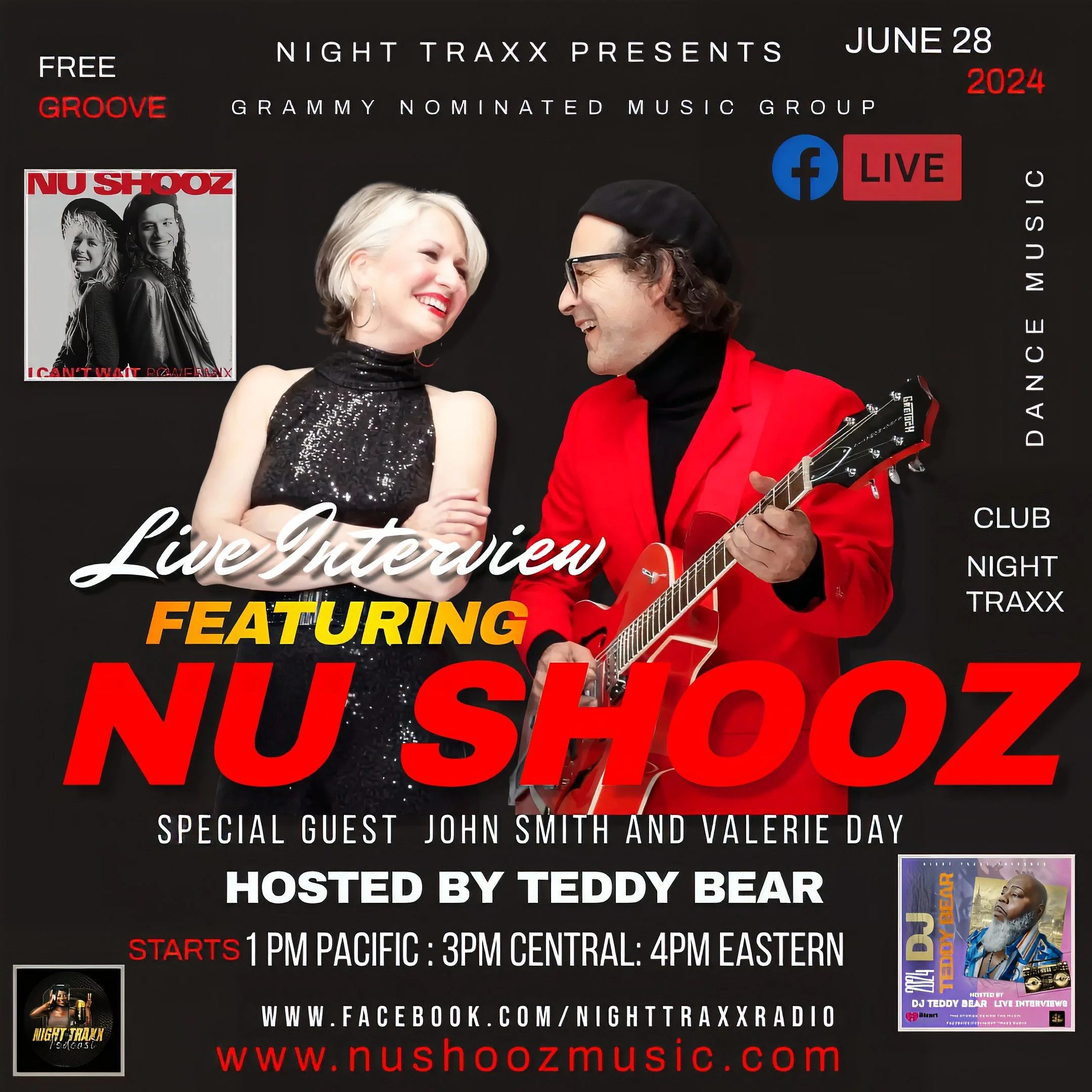
Nu Shooz Interview On Night Traxx Radio
Recently, we had a delightful interview with the one-and-only Teddy Bear from Night Traxx Radio, and what a teddy bear he is: a big man with a velvet voice. We liked this one a lot, partly because he didn't ask the usual questions. Instead, he wanted to talk about the creative process and, most interesting of all, how a person maintains their mental health in such a crazy business.

Recently, we had a delightful interview with the one-and-only Teddy Bear from Night Traxx Radio, and what a teddy bear he is: a big man with a velvet voice. We liked this one a lot, partly because he didn't ask the usual questions. Instead, he wanted to talk about the creative process and, most interesting of all, how a person maintains their mental health in such a crazy business.
We did an interview together a couple of months ago, which, unfortunately, was lost in the digital void. But that's OK because it was long enough ago that we forgot everything we said! We enjoyed our time with Teddy Bear so much that we were happy to do a retake.
You can listen to the interview on Blog Talk Radio or watch the video below.
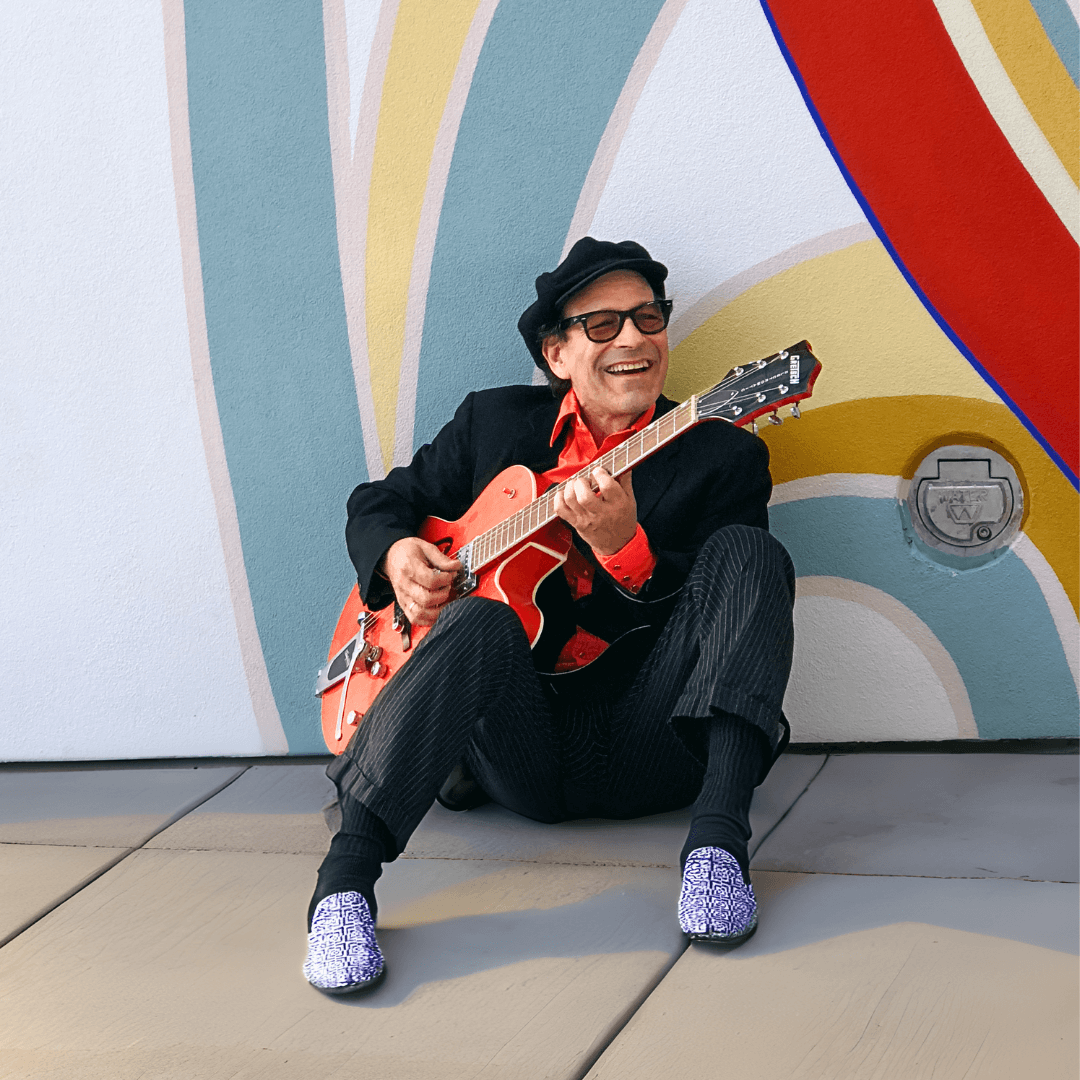
John's Musical Journey: A Conversation on the Nothing Shocking Podcast
John just popped on the 'Nothing Shocking Podcast' with Eric and Geoff, a pair of rock n roll enthusiasts from Chicago. They cover everything from punk to metal and...well, they even caught the NuShooz wave! Our trip down memory lane wasn't just a blast, it shook up some fresh nu tales. Who knew nostalgia could be this entertaining?

John recently gave an interview for the Nothing Shocking Podcast, a show created by Eric Nesbitt and Geoff Untiedt. They describe themselves as "two regular guys from Chicago" who run a non-genre based rock n roll podcast. To that end, they cast a wide net into the vast music sea, covering everything from punk to metal to...well...NUSHOOZ!
They had a blast. Eric and Geoff asked some very interesting questions. Whenever we're asked to talk about the good old days, nu stories emerge. We hope you find them entertaining.

CHOONS: FROM PORTLAND TO THE WORLD; The Story of Nu Shooz' "I Can't Wait."
Host Diego Martinez from CHOONS takes us back to the Mid-70s and the incredible series of events that led to “The Bassline Heard’ Round the World.” It’s one of our favorite interviews ever. Enjoy!
CHOONS is a podcast about "The Songs we vibe to," dedicated to the "History and longevity of underrated and much loved tunes."
Host Diego Martinez takes us back to the Mid-70s and the incredible series of events that led to "The Bassline Heard 'Round the World." It’s one of our favorite interviews ever. Enjoy!
INTERVIEW: LIVED THROUGH THAT with Mike Hipple
How can one moment change a life? In this interview, John tells how a pair of headphones and 16 bars of Hendrix changed his trajectory from pathologist to musician.

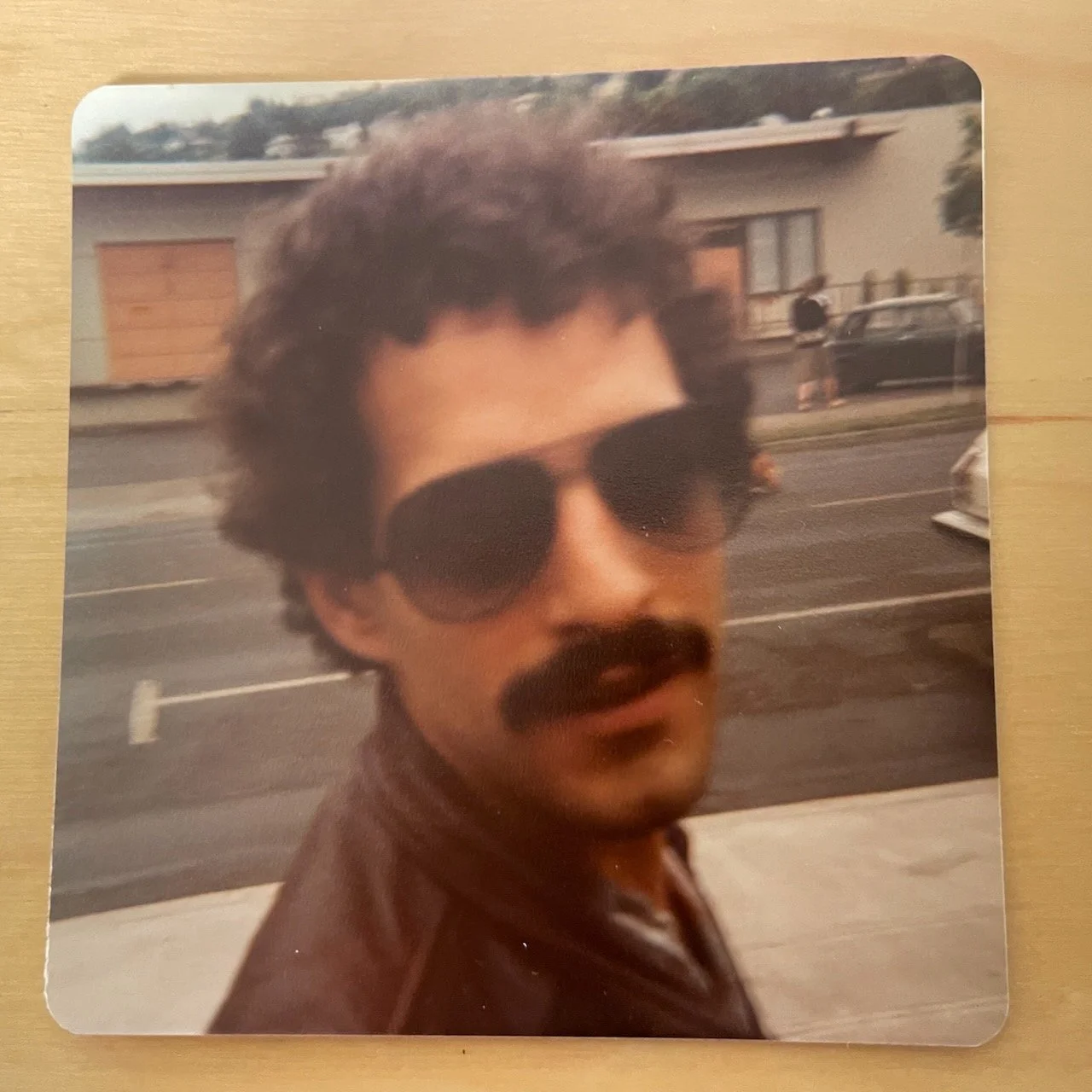
John circa 1978
We're going to let Mike describe the theme of his show.
"On this podcast, we'll delve deeper into a single pivotal moment in the lives of the artists I feature in [my] book. In this episode, John Smith, from the band Nu Shooz, you know them from their ubiquitous song "I Can't Wait," but their history is much longer and deeper than that one song. Today, John tells us how Jimi Hendrix helped him find his groove.
Mike Hipple is a photographer, and the author of two books: "80's Redux," about 80's musicians, (John and Valerie are on page 26, and John's beloved battered Gibson 335 gets a beauty shot on page 27,) and his latest, "Lived Through That," celebrating influential musicians of the 90's.
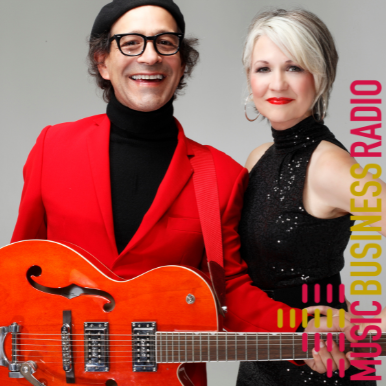
Nu Shooz Interview with David Hooper on Music Business Radio
Catch the latest SHOOZ interview on the Nashville-based podcast "Music Business Radio" with Host David Hooper. First, we cover some of the usual territory, the Hits, the Record Label, the Grammys, etc. Then the discussion veers into the Creative Process, the Current State of the Industry, and why we don't believe in Writer's Block. It's a deep dive into the Band's unique journey in the Music Business.

Catch the latest SHOOZ interview on Nashville-based Music Business Radio with Host David Hooper. First, we cover some of the usual territory, the Hits, the Record Label, the Grammys, and the 80s music scene. Then the discussion veers into the Creative Process, the Current State of the Industry, and why we don't believe in Writer's Block. It's a deep dive into the Band's unique journey in the Music Business.
David Hooper is an American marketing professional and broadcaster and one of our favorite interviewers. His latest book is Big Podcast – Grow Your Podcast Audience, Build Listener Loyalty, and Get Everybody Talking About Your Show. He can be heard weekly on the syndicated radio show, Music Business Radio.
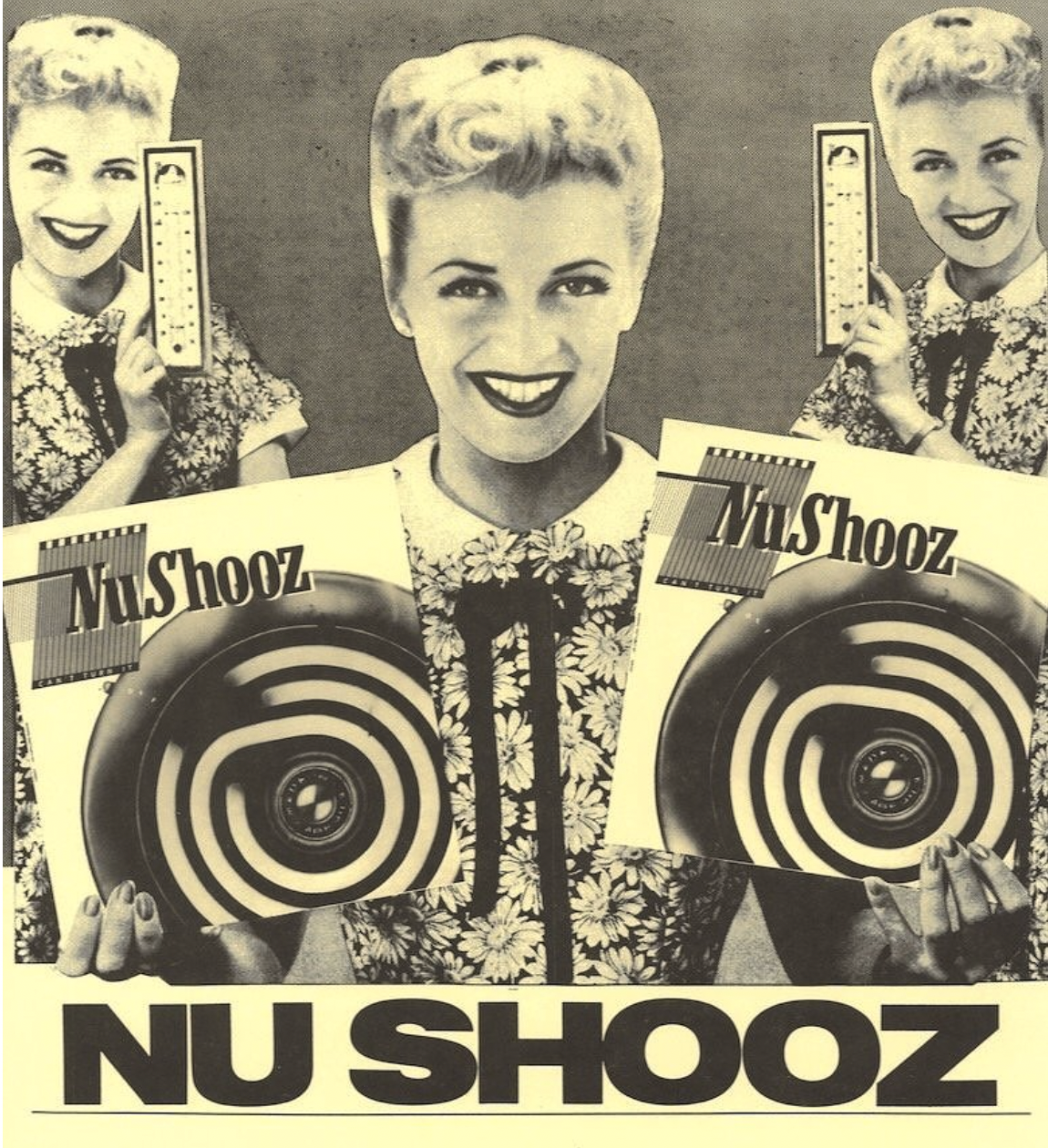
Perennial Interview Question #3: How’d You Get The Band Name?
Ever wonder how the band got its name? Well, wonder no more! John answers the perennial interview question, How’d You Get The Name?
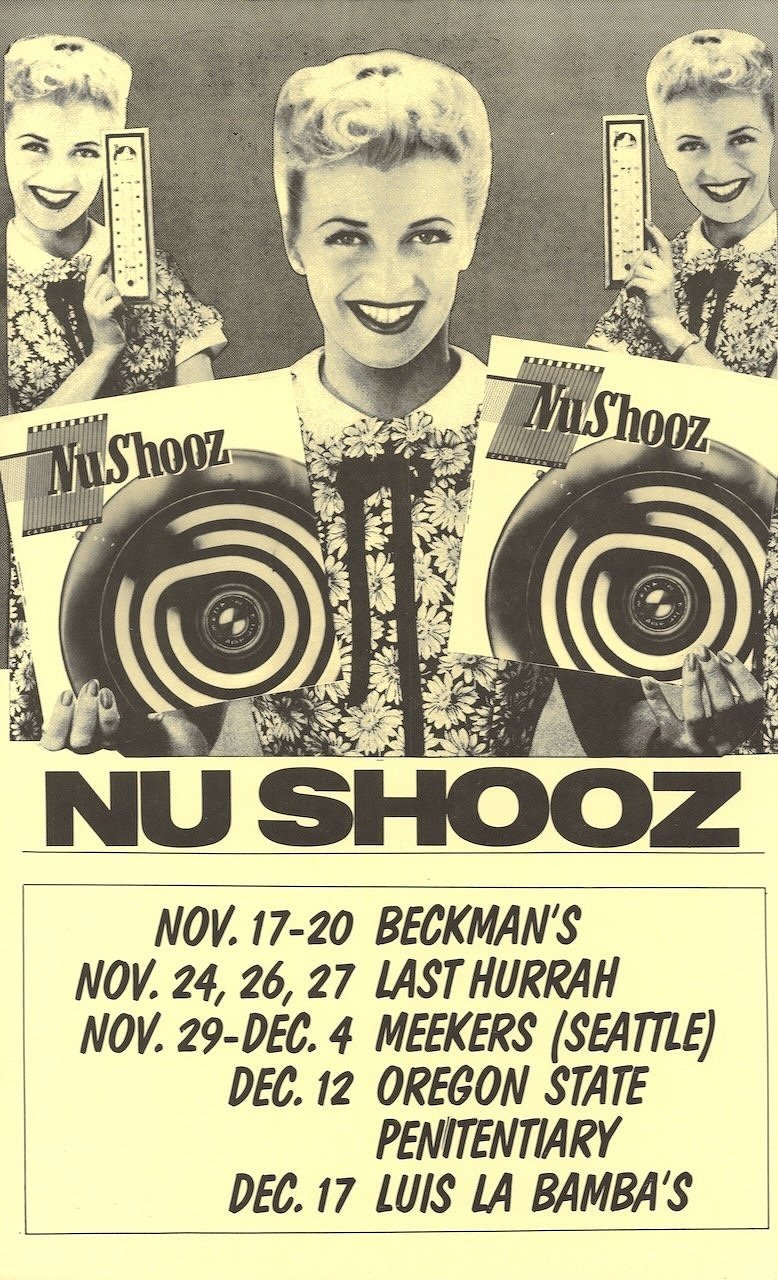
Early Nu Shooz band poster circa 1982
HOW DID WE GET THE BAND NAME?
OK…Once and for all, we come to Perennial Interview question #3.
(Question #1 is: What’s “I Can’t Wait” about?
Answer: “It’s about six minutes and twenty-nine seconds. That’s the long version.”
Question #2: What’s it like to be in a Famous Band with your spouse?
Answer: “Well, we got to see each other a lot!”)
Back to Question #3.
We started rehearsals for what became Nu Shooz in May 1979. Our drummer, Randy Givens, was the son of a music store owner. He could play something credible on almost any instrument and was particularly resourceful at getting gigs. Before we learned our first song, he’d already gotten us a gig at Col. Summers Park, half a block down the street.
The gig was a month away.
We needed a name.
Something to put on a poster.
Somebody (not me) said, “Let’s call it ‘The John Smith Group’.” That was the kind of thing jazzers did in the late 70s.
“Hell no!”
I forget what other names we came up with. I think one of them was ‘Hide the Silverware,’ which I kinda liked.

John Smith & Larry Haggin
Larry Haggin and I, former members of the late great Latin band Felicidades, had decided to put a new thing together. We were standing by the kitchen stove at “Twenty-One-Twelve,” the house where we had band practice. On the wall behind the stove was ‘Contact Paper.’ Does anybody remember that stuff? It came in wood grain and bunny rabbits and a thousand other prints.
This one was printed to look like a page from an 1890’s newspaper, what they used to call ‘fish wrap.’
And on the page was an ad for lace-up shoes.
Larry and I looked over at the same time and said, “We could be The Shoes!”
“Yeah…that’s stupid enough.”
This was the era of Band Names with Dumb Nouns; The Cars, The Police, Doctor and the Medics.
“Yeah…The Shoes.”

photo by Valerie Day
OK. Fast-forward two weeks. We’re in a Record Store. (Remember those?) And we find a record by a band called SHOES. Just SHOES. Personally, I thought the omission of the ‘the’ a little pretentious.
Anyway, the search for a band name began all over again.
Then, Jim Hogan, our bass player and arguably the best-looking member of the group, says, “Why don’t you call it New Shoes?”
“Hey!”
“Not bad!”
The original concept for the band was a mash-up of the Temptations and late-period Isley Bros.; four-part soul harmonies and Psychedelic Jazz guitar solos. There were two good singers in our four-piece band and two bad ones. I was definitely in Column B. We won’t say who the other one was.
Since the concept was a vocal group, I decided to be clever and spell the name New Shoo’s, you know, ‘Shoo’ like a backup vocal syllable. “Shoo-bop-shoo-BAM!”

Poster art by John R. Smith
But Americans, as a people, not the best of readers, read it as Shoosss. So that lasted for one poster.
Jim Hogan to the rescue again.
“You should spell it N-U-S-H-O-O-Z.
The ‘Z’ makes it more ROCK!”

For 30 years I didn’t like our band name very much. It sounded frumpy and old to me. I wanted something edgy and dangerous like METALLICA or MEGADETH. Then in the roaring 2010s, we went out on the 80’s tour, and I realized that it was perfect. Like the ’80s, it was bright and bouncy and all about dance music.
We’ve answered this question so many times that our stock answer to the Perennial Interview Question #3 is:
“The BEATLES was already taken.”
Interview w/Ryan Reed on The Vibe
We're not doing many interviews these days. But there's this hard-working Indie Radio Station, KXRW//XRAY.FM, out of Vancouver, Washington, that you should all know about.
Last Thursday, John had a Zoom chat with Ryan Reed, host of THE VIBE. They had a great conversation about success over the years, the transformations of Nu Shooz, future projects, and more! A good time was had by all. You can listen here.

We're not doing many interviews these days. But there's this hard-working Indie Radio Station, KXRW//XRAY.FM, out of Vancouver, Washington, that you should all know about.
Last Thursday, John had a Zoom chat with Ryan Reed, host of THE VIBE. They had a great conversation about success over the years, the transformations of Nu Shooz, future projects, and more! A good time was had by all. You can listen here.
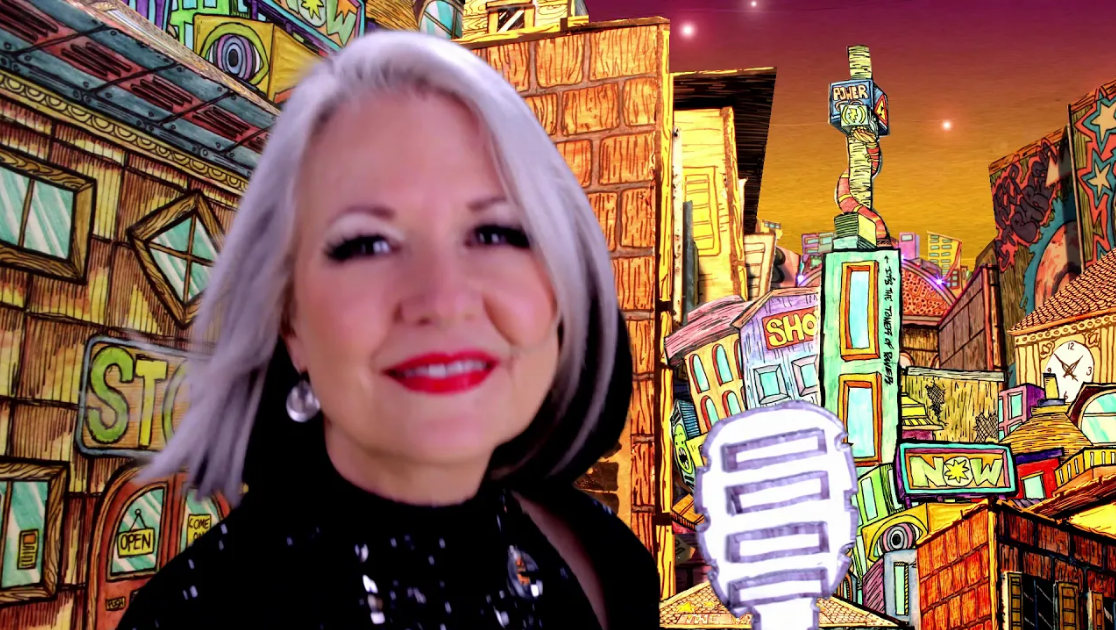
Nu Shooz Goes to Bagtown!
The real, true-to-life story of the bands’ trip to Bagtown.
Plus, the ‘Making Of’ the incredible Bagtown City.
The Backstory of Bagtown
Valerie opened the utility room door and frowned.
"These bags are getting out of hand."
John rolled his eyes and said in a flat voice, "I know, I know. I'll put it all in the recycling."
It wasn't just the bags. Cardboard boxes were piling up too.
"I swear I'll get to it," he said two weeks later.
Then one night, as she made the morning coffee, Valerie noticed multi-colored lights flickering under the utility room door.
"Hmm."
She put her ear to it. A thumping sound came from the other side, like a drumbeat, a strange disco four-on-the-floor beat. Her hand hovered over the doorknob for a few seconds; then she flung it open, and...
The bags had built a city from the cardboard boxes, a vast city with bridges and nightclubs, trees and statues, and a train!
One of the bags motioned for her to get on the train.
And she did get on...as if a city growing in her utility room was no big deal.
"Come on. Don't be late," said the bag. He wore a neat little conductor's hat made from the same material as himself.
"Welcome aboard," he said. "Where ya headed?"
"Well...I don't..."
"That's O.K. Y'know, we all start out empty, folded flat, and then we open up, right? And we put stuff in our bag, and other people put stuff in, and before you know it, we're full!"
All this time, the train was rolling through a brown paper landscape alive with High-Lighter colors; Pink-Blue-Yellow-Orange.
The conductor went on.
"Your bag is full of everything you've collected over a lifetime. You like Surf Music. You don't like fish. You prefer Yellow to Teal. In other words, our 'Bag' is who we are.
And we decide what we want to put in it."
The drumbeat got louder as the train rolled into town. At last, they got to the source of the noise. There was a party going on. A band was playing.
"If you were you and it was now," they sang, "What would you do?"
"It's up to you," the conductor said, "what you put in your bag...what gifts it can hold. The possibilities are endless."
"Is it a Glad Bag or a Sad Sack," he said.
Time had no shape in the cardboard city. She didn't know how long she was there. Finally, the Conductor broke the spell.
"Uh-oh. Time to head back. The Number-Five is leaving right on away."
In a blink of Dreamtime, she was standing outside the Utility Room door again.
What just happened?
She swore she could still hear the faint sound of drums.
John came up behind her then.
"I swear, I'll recycle all that stuff today!"
"Oh," she said, "Why don't you wait a while."

The Bags of Bagtown
The ‘Making Of’ Videos
In the winter of 2017, our son Malcolm worked hard on the miniature Bagtown set - creating incredible art for the soon to be built city.
Malcolm Smith went to work building the town. The project took seven months, burned up many hot-glue guns, and filled about 30 square feet of our studio. The result of his labor was fantastic and magical beyond our wildest expectations. Mike Wellins came in and shot it from every possible angle. Then it was time to take it down.
We were sad. “Can’t we leave it up for just one more day? Or a week?“
Mike to the rescue again. He happens to be the proprietor of the FreakyButTrue Peculiarium, one of those institutions dedicated to keeping Portland Weird. He offered us a home for our beloved ‘Bagtown’ set, and came up with this beautiful presentation. ‘Bagtown’ is now under attack from Godzilla and Sharknado!
All is right with the world.
For more about the making of Bagtown and to listen to the
entire Bagtown CD, head over HERE on our website.

'How Two “Jazz Hippies” (and a Dutch DJ) Made Portland’s Biggest Song Ever'
by Matthew Singer/Willamette Week
For a song to achieve immortality, it's going to need an especially sharp hook.
Sometimes it's a riff. Sometimes it's a melody. In the case of Nu Shooz's "I Can't Wait," it's the sound of Donald Duck scatting through a vocoder.
God knows what the keyboard preset is actually labeled. But you'd recognize it before the prominent bassline, or even the title. It wasn't even the band's idea—a Dutch DJ threw it on a remix—but it was the missing piece that, in 1986, propelled a regional Portland hit into a global smash.

'Nu Shooz's "I Can't Wait" turns 30.'
By Matthew Singer, Willamette Week February 16, 2016
For a song to achieve immortality, it's going to need an especially sharp hook.
Sometimes it's a riff. Sometimes it's a melody. In the case of Nu Shooz's "I Can't Wait," it's the sound of Donald Duck scatting through a vocoder.
God knows what the keyboard preset is actually labeled. But you'd recognize it before the prominent bassline, or even the title. It wasn't even the band's idea—a Dutch DJ threw it on a remix—but it was the missing piece that, in 1986, propelled a regional Portland hit into a global smash. Even in its original form, "I Can't Wait" is the platonic ideal of a classic '80s song: timeless in its blend of fat-bottom funk and R&B elegance, but with just enough retro-futurist kitsch to immediately evoke the era.
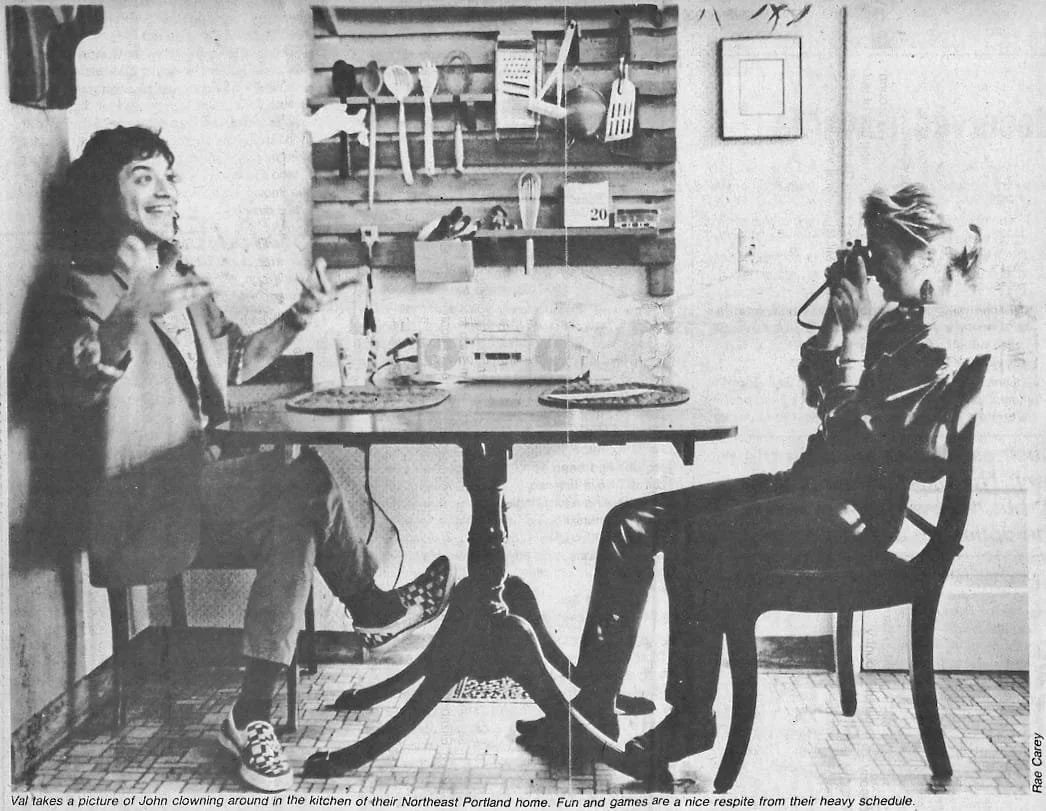
As two self-professed "jazz hippies," singer Valerie Day and songwriter John Smith admittedly had no idea what went into creating a pop single. So how did they end up writing the biggest song ever to come out of Portland? Turns out it was, at first, mostly an act of desperation.
By 1983, Nu Shooz was in a rut. It had been playing clubs since the late '70s, drawing good crowds but failing to sustain a lineup or a consistent musical direction. In December, John Smith dedicated himself to rerouting the band back to its R&B roots.
John Smith: The mission statement was to write the funkiest thing that I could, and kind of blow all the dust out of the exhaust pipe and get us back to what we're supposed to be doing. I rented a four-track machine for the incredible sum of $24 per month, and the first reel, "I Can't Wait," was on it. There were five tunes I was working on, sitting on a wooden box by the furnace in the basement with a nylon string guitar. In the summer of '84, we went into the studio, and the first thing I did was slow it way down. It laid there like a lump.
Valerie Day: It was slower than the live version we'd been playing. I remember coming into the studio the day it was my turn to record the vocals, and I hadn't heard he'd slowed it down. I get into the studio, and I was like, "I can't sing this."
Smith: For about six months, we tinkered with it. Then, on the way to the studio one day, I was listening to the Time, and they had this bottle part on "Jungle Love." I appropriated that, put it on the track, and then it started to move.
"I Can't Wait" ended up as one of five songs on Nu Shooz's second official release, an EP recorded at Cascade Recording in Portland.
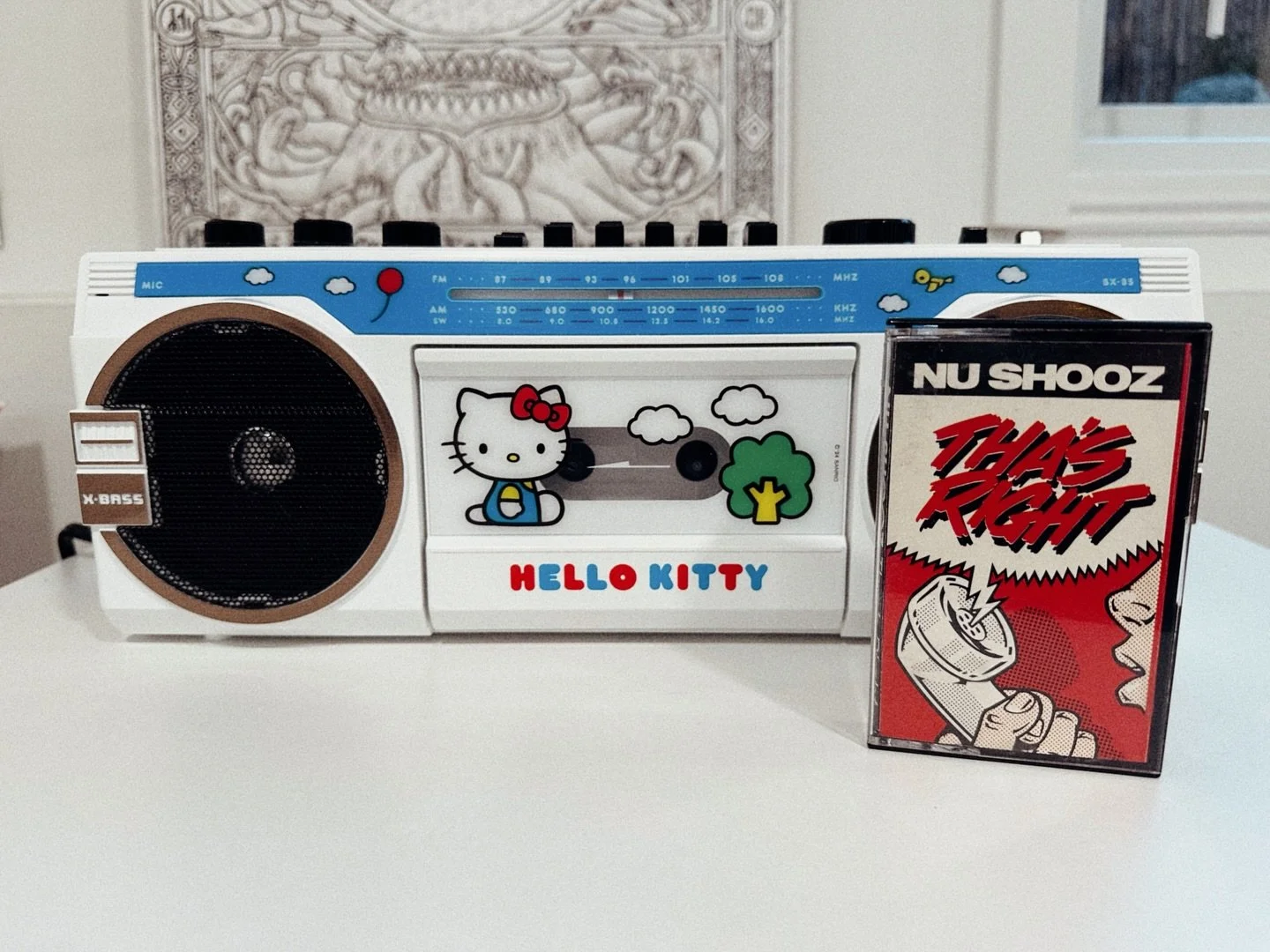
Day: We get these five songs recorded, we put this on a cassette called Tha's Right, and we release it on our own, basically. And nothing, really, was happening. Except this music writer, for The Downtowner magazine in Portland, he wrote about the band and said we were boring live, but we had made this really cool thing, and it was a shame local radio wouldn't play it.
Gary Bryan, co-host of KKRZ's morning show: We read the article and went on the air. They mentioned Nu Shooz in the article, and we were like, "We'd love to play it, but we can't play it if we don't have it." No one ever brought it in.
Day: Our manager at the time, who was a bartender at the Veritable Quandary, he was a morning person, thank God. So he heard this on the radio. He jumped on his Vespa, he drove it to the station, handed them the cassette, and they picked "I Can't Wait" to play.
Bryan: The next day, we put it on the air. We made a big deal out of it. A lot of people started calling for it, and we put it into heavy rotation. It came up every hour and 45 minutes or something. We took it to No. 1 on our chart, and that meant we were reporting that to radio and record magazines, and to Billboard. And we thought, "Let's get these guys a record deal. Let's try to bust a band out of Portland!"
After hearing "I Can't Wait," Greg Lee, a local promo manager for Warner Bros., became a champion for the band in the Pacific Northwest, helping spread the song across the region.
Greg Lee: I took it to several Portland radio stations and played it for them, and they all agreed immediately, like, "You need to get this to us!" That was the impetus for myself. I wanted this to be on Warner Bros.
Day: Greg also got us a demo deal with Warner Bros. We recorded some songs we'd had for a while, and the label said, "Sorry, we've got Madonna already."
Lee: Usually, when a label passes, they don't offer you anything other than "C'est la vie." [Michael Ostin, head of Warner Bros. A&R] gave the band what was called a demo deal. That was a financial gift, so to speak—an honorarium given to the band to make another demo. It was sort of like, "We're passing, but we see there's something there."
Striking out with the majors, the band's manager licensed "I Can't Wait" to a service which would do limited pressings geared toward the international market. A Dutch disco label picked it up, and handed the song off to a young DJ named Peter Slaghuis for a remix. He didn't change much, but he did add a curious-sounding synth melody over the top.
Smith: We call it "the barking seal." The first time I heard it, we were playing the University of Southern Oregon in Ashland, and I heard it over the phone. Our manager played it. "Here's the remix, what do you think?" And I liked it because I never in a million years would've thought of that.
Day: We met Peter Slaghuis when he came to New York one time, and he tragically died in an auto accident when he was in his 30s. Much, much later, we found an interview he did where he said he actually didn't like "I Can't Wait" at all. He did as little to it as possible because he didn't really want to work on it.
Smith: The secret Nu Shooz cool test is, if they come up and sing the bassline, they're cool. If they sing the barking seal, they're less cool.
The "Long Vocal Dutch Remix" became a hit in the New York club scene, and finally landed Nu Shooz a deal with Atlantic Records. By June 1986, "I Can't Wait" hit No. 3 on the Billboard charts, leading to appearances on American Bandstand and Soul Train, an international tour and a Grammy nomination for Best New Artist. It also opened up other, previously unfathomable opportunities.
Smith: My manager asked me who I most wanted as a sideman, and out of my mouth came, "Oh, Maceo Parker," because he'd been my hero since I was 11 years old. So we recorded with him on the second Atlantic record.
Day: One of our heroes at the time were Jimmy Jam and Terry Lewis, and I think we met them at the Minneapolis Music Awards.
Smith: Jimmy Jam came up to me and said, "We wish we had written that song."
Nu Shooz followed "I Can't Wait" with two other charting singles. But its second album for Atlantic, Told U So, underperformed. A third album was never released.
Smith: They didn't even call us to say they were dropping us. We found out at a show. We met the new Atlantic rep, and he didn't know who we were. I said, "We're on the release schedule for September," and he said, "Uh, I don't think so."
Day: It was kind of hard for them to understand who we were and what we were about and what our potential was. We had three A&R people in that seven-year period, and one of them was the guy who discovered White Lion or whatever.

Nu Shooz in 2013. IMAGE: Phil Isley.
Nu Shooz went on hiatus, with Day and Smith concentrating on raising their son. Beginning in the late '90s, "I Can't Wait" began to take on a second life, appearing on movie soundtracks, getting sampled by Vanessa Williams and 50 Cent and, most recently, remixed by Questlove for a Target ad. Day and Smith are currently working on a new Nu Shooz album, due out this year.
Day: It's kind of a miraculous thing. This song is like our child. We birthed it and raised it to a certain point, and then it went out in a world and now it's doing it's own thing. We obviously had something to do with it, but at a certain point, it's not about you anymore. It's really about the song having its own life.
Find our latest newsletter below!
Search The Blog….

![Welcome to your summer. Yes, it's finally here! And it's the 46th anniversary of the very first NuShooz gig. [Colonel Summer's Park, Portland, Oregon, June 21st, 1979.] What a different world that was; pre-internet, no smartphones or smart toasters,](https://images.squarespace-cdn.com/content/v1/54cee645e4b01fa0f0bfc5f9/1772327896063-IIMMIJOZCTP00HOVTU9D/image-asset.jpeg)