
Fred Ingram And The Genius of Album Art
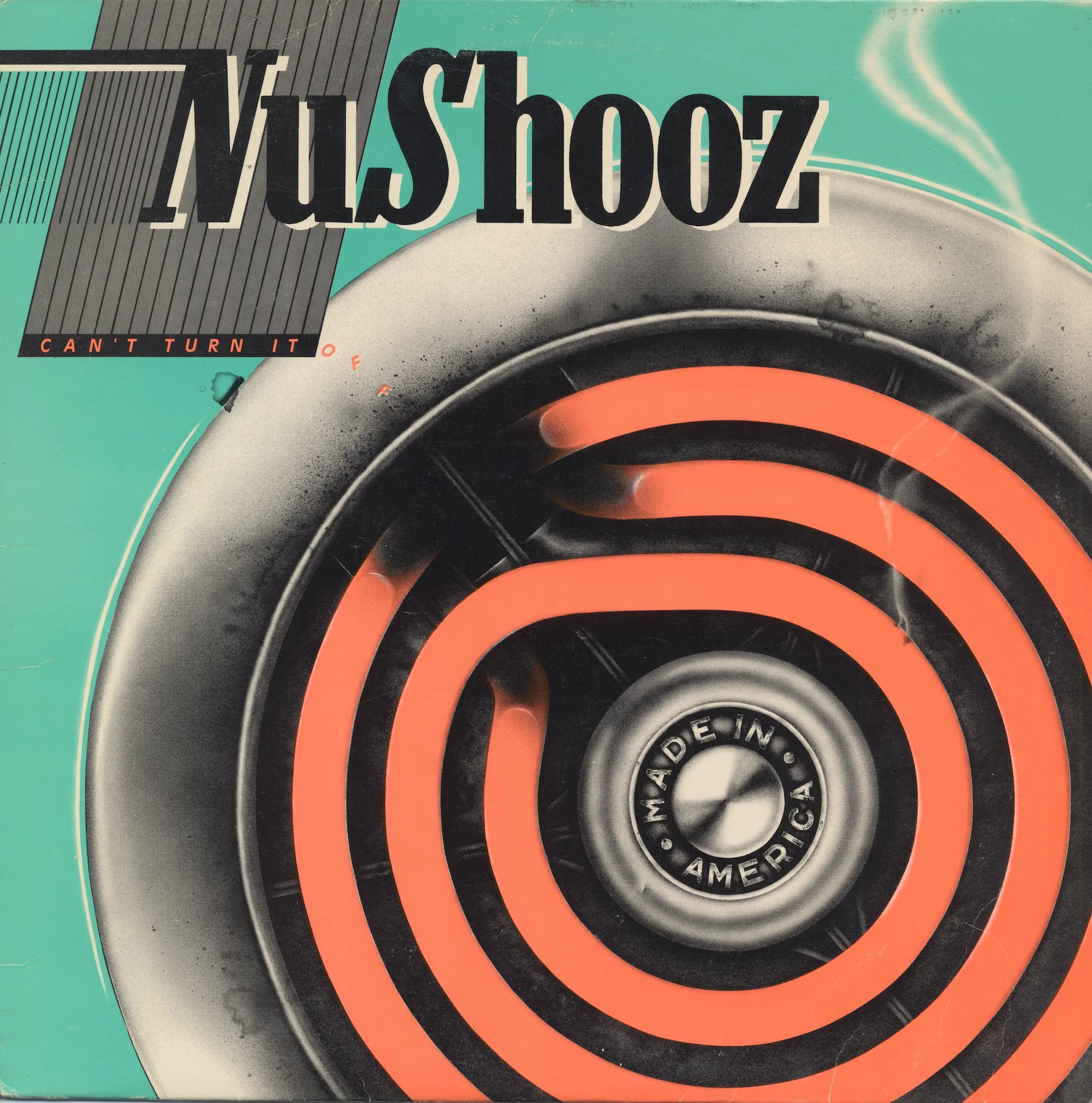
The 12x12 vinyl album cover is a thing of the past, but Fred Ingram's airbrushed artwork for NU SHOOZ's first two albums still stands out.
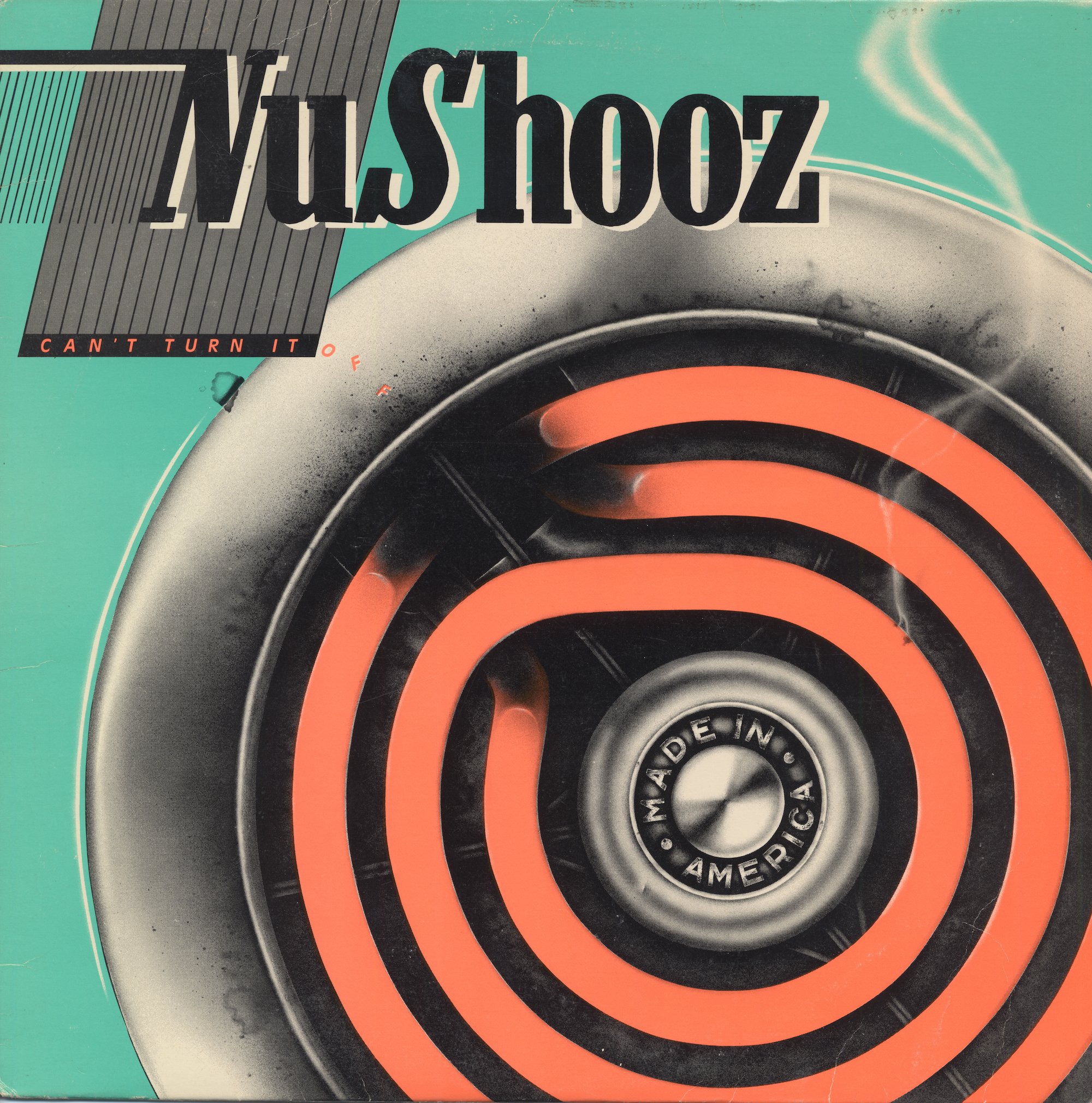
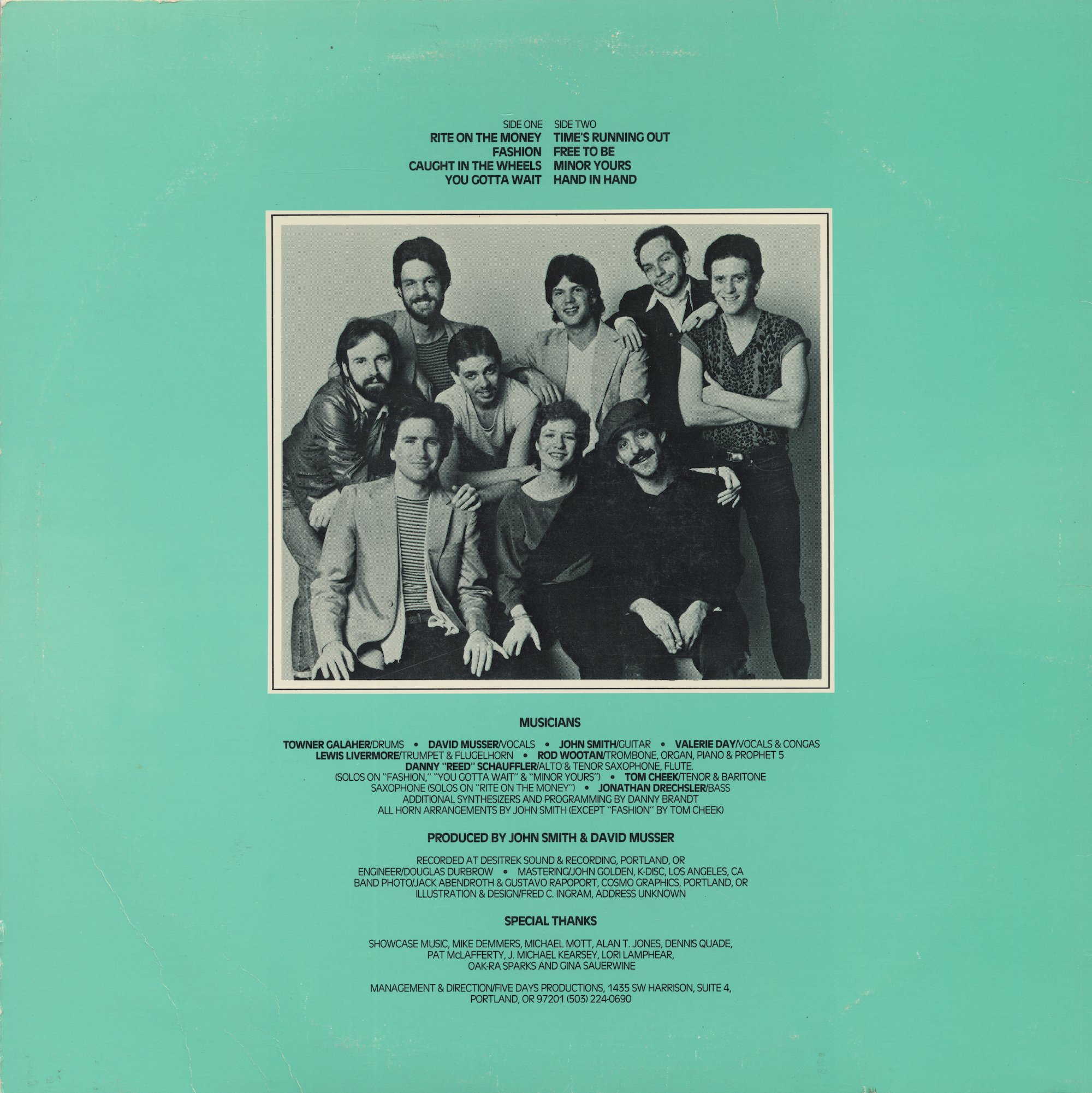
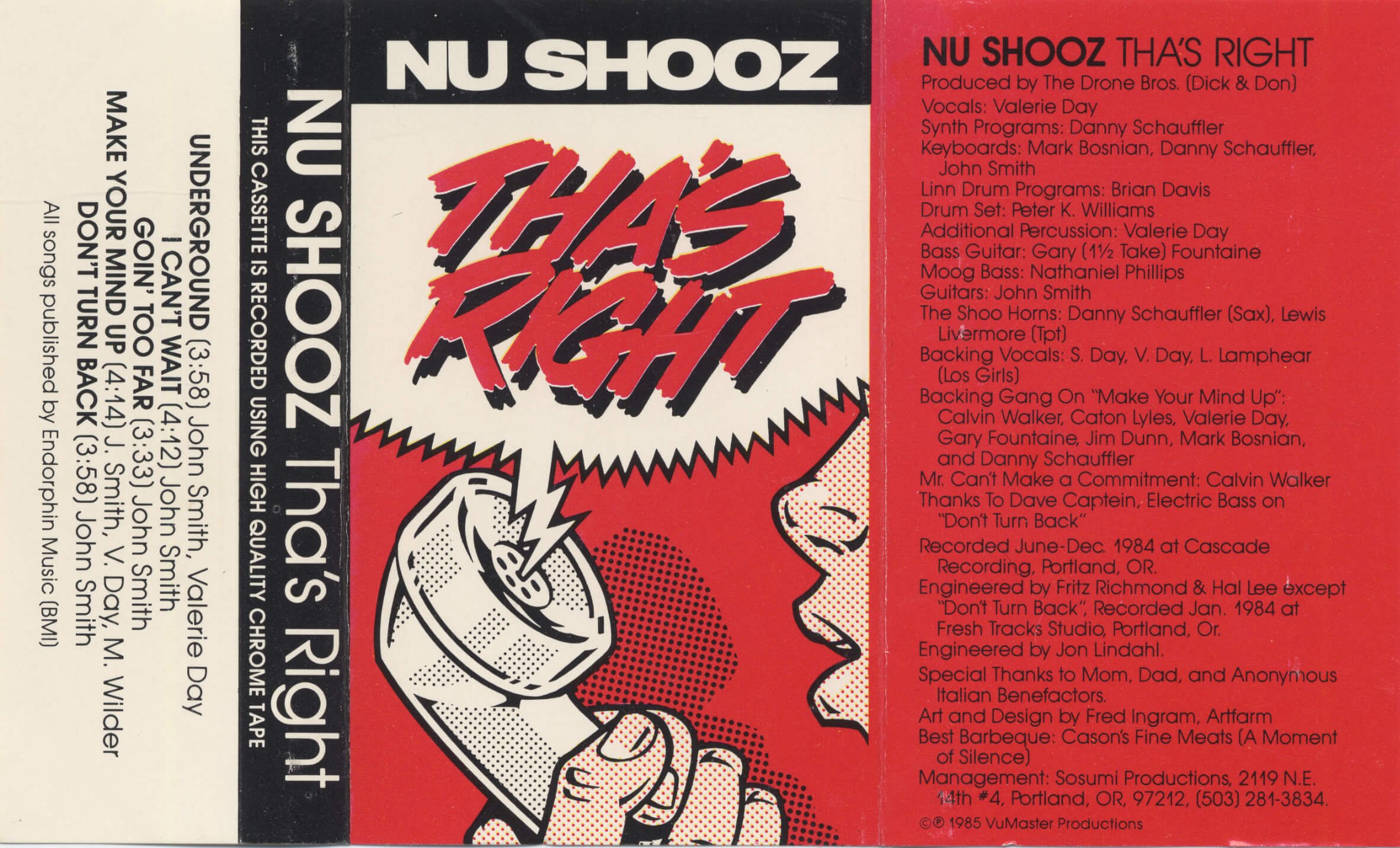
The Golden Age of the 12x12 vinyl album cover is in the past, now the rarified province of the serious Vinyl Collector.
Back in the day, we poured over these artifacts, read the liner notes over and over, and wondered how to pronounce names like Bill Smzyk. Double albums were perfect for removing seeds from…well, you know. Sometimes the artwork was better than the music.
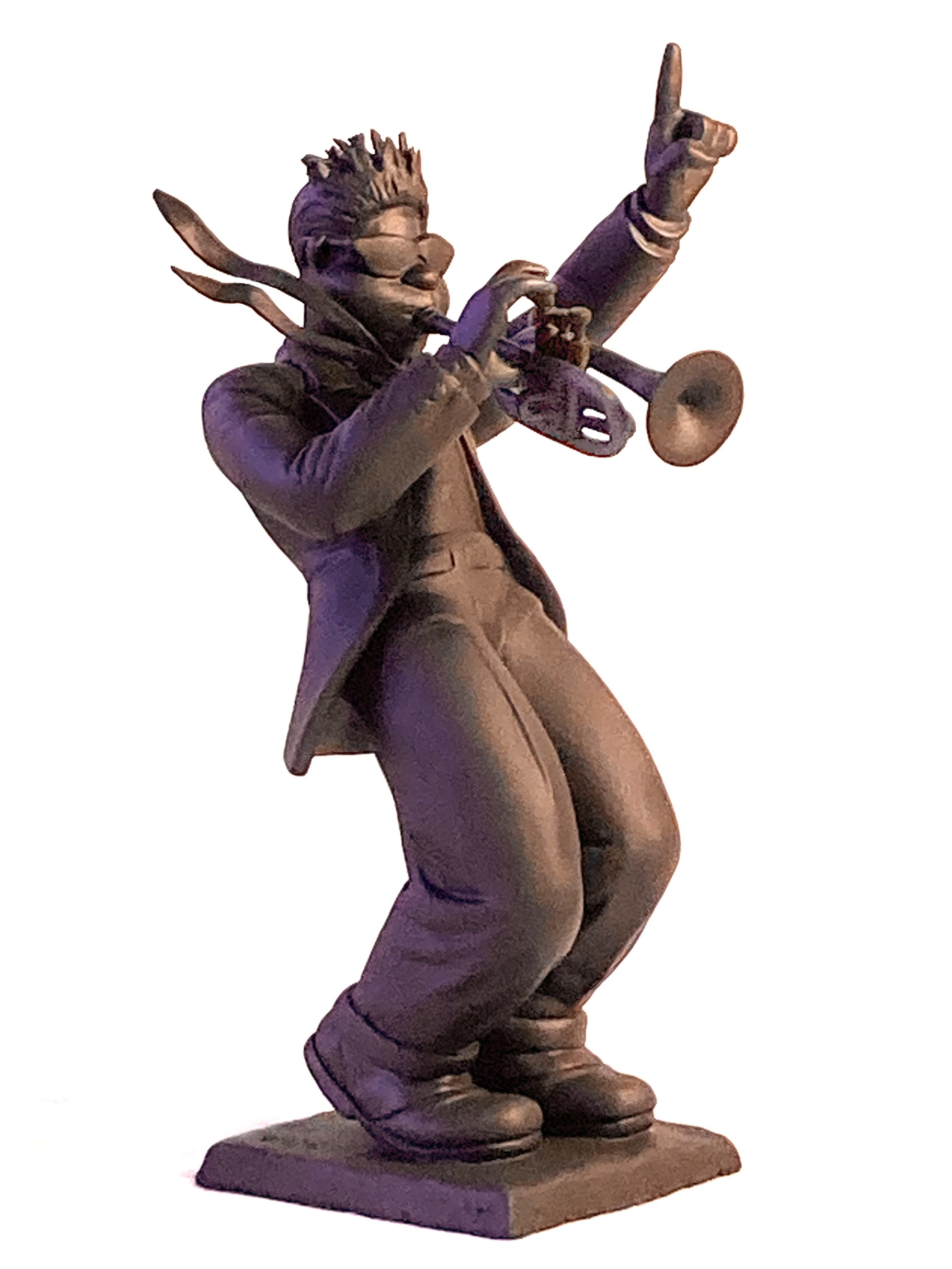
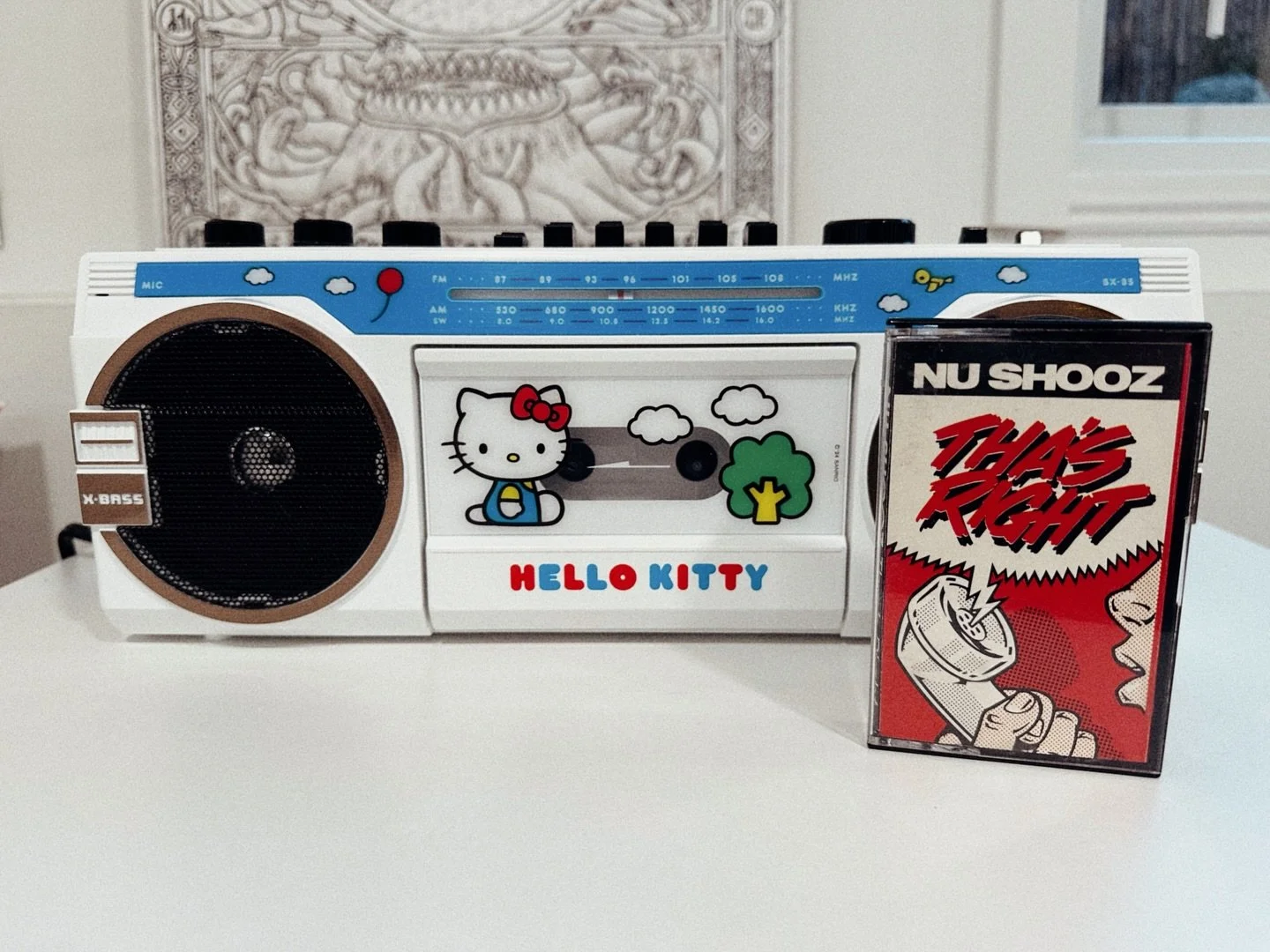
The first two album covers for the Portland Soul band NU SHOOZ were done by artist FRED INGRAM. These were the days before digital art, like Photoshop. Fred was a master of the airbrush, which you can see on the band’s first album, “Can’t Turn It Off” [1981]. He also did the cover for the second album, “Tha’s Right.” [1985] Fred gave both albums their titles and also played drums with ‘the Shooz’ for a brief period. “Tha’s Right” launched the band’s signature hit, “I Can’t Wait.”
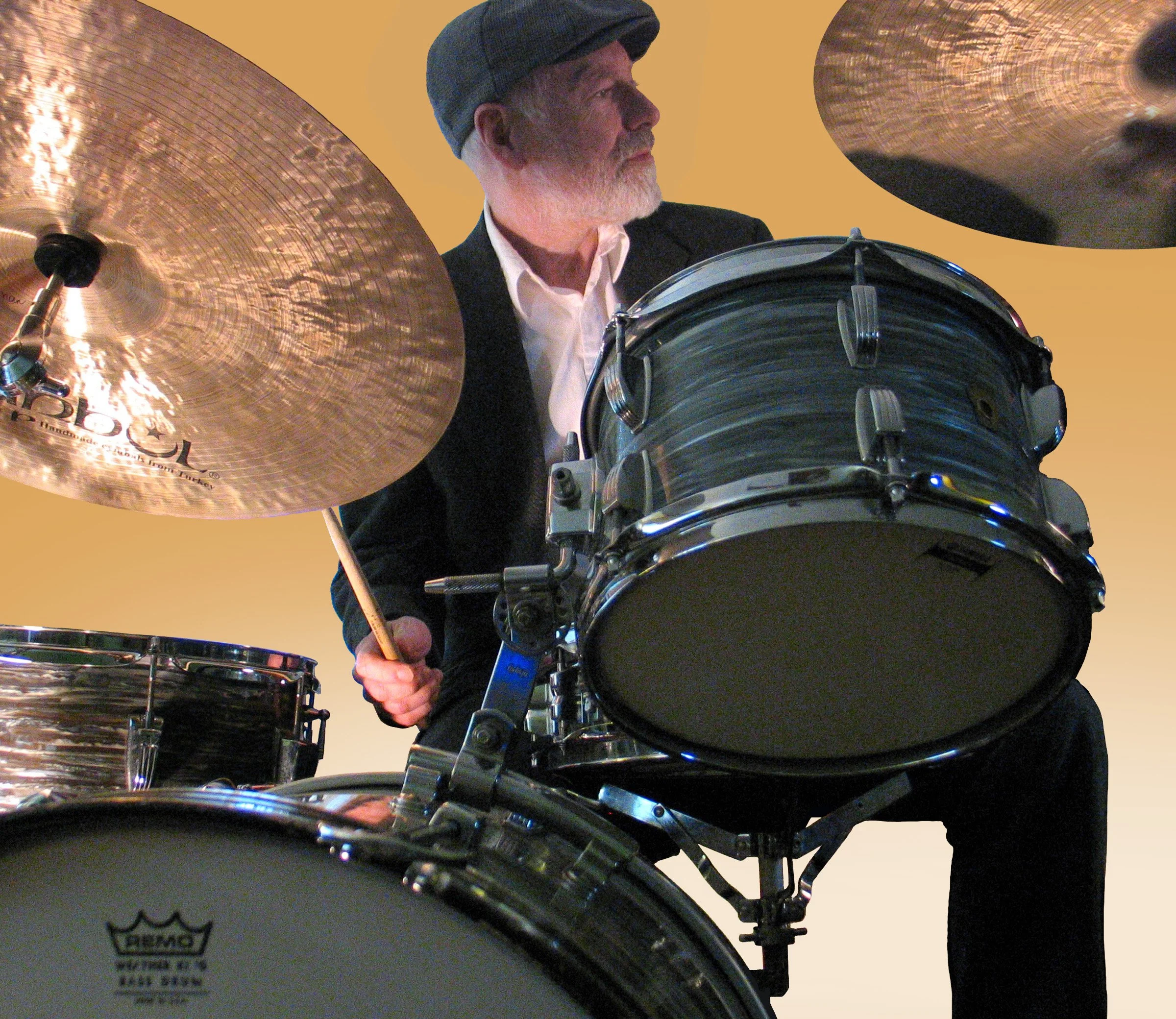
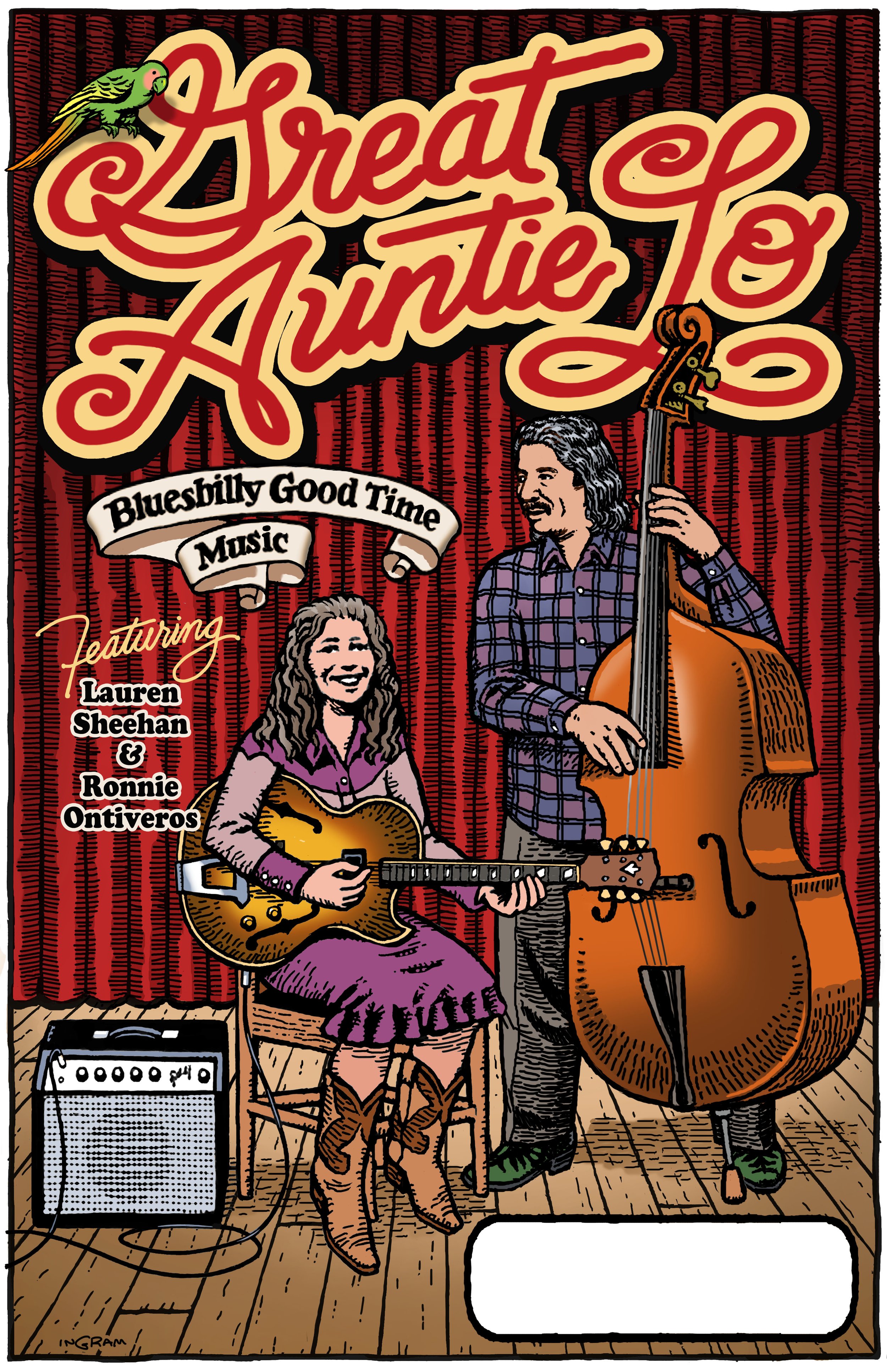
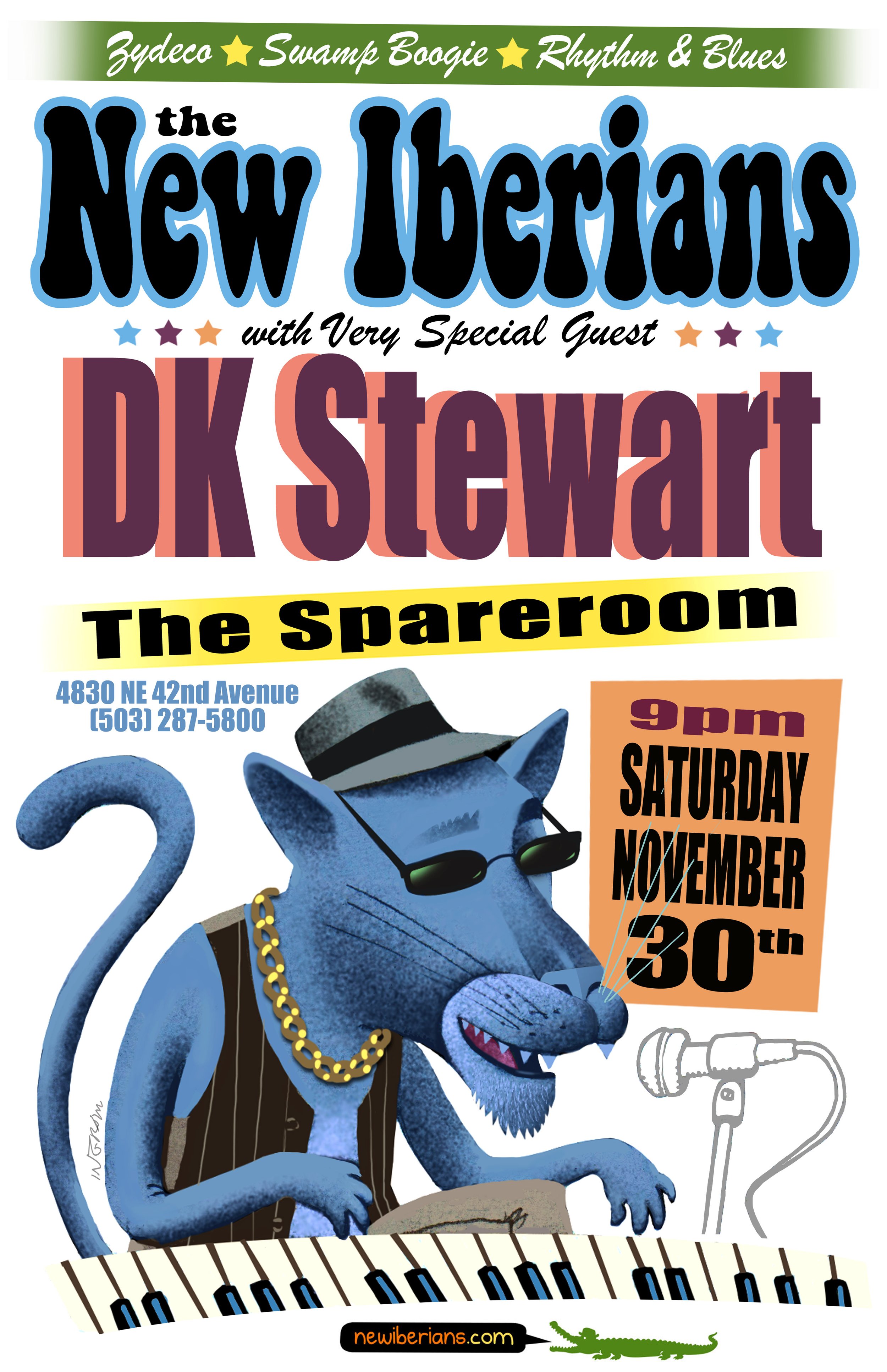
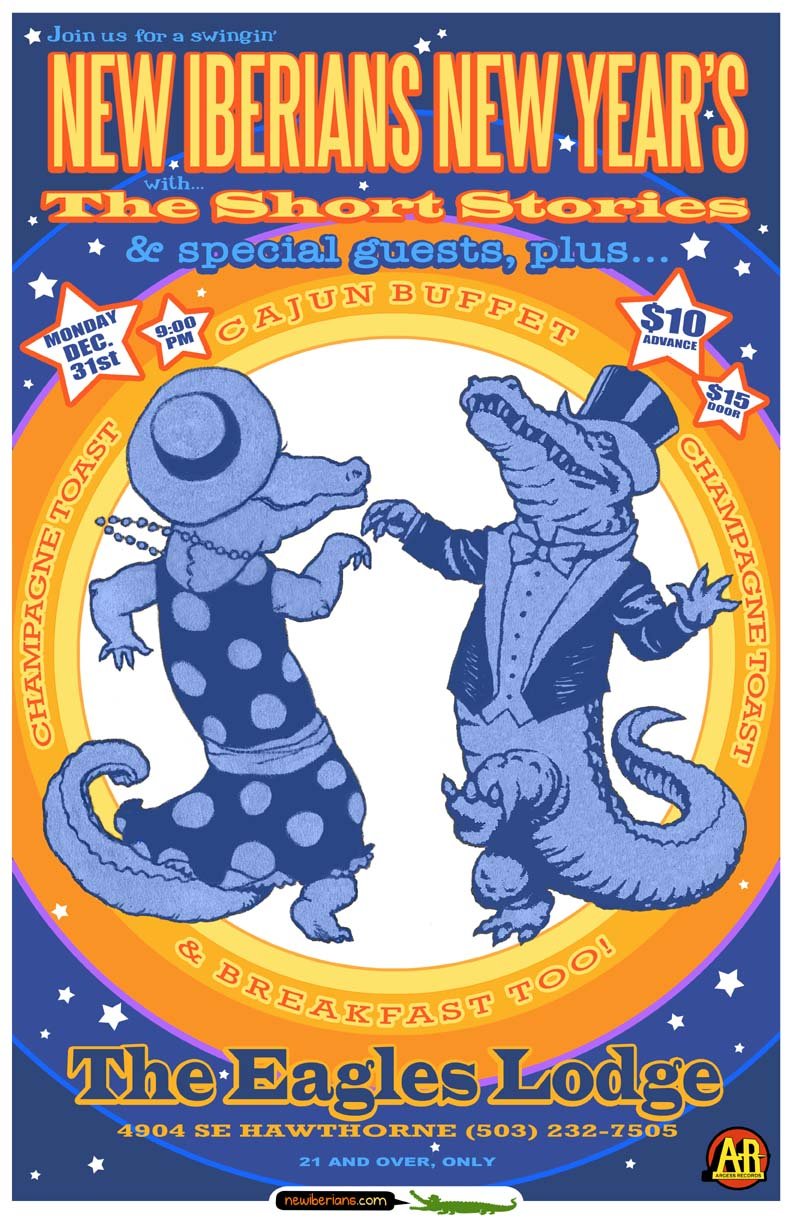
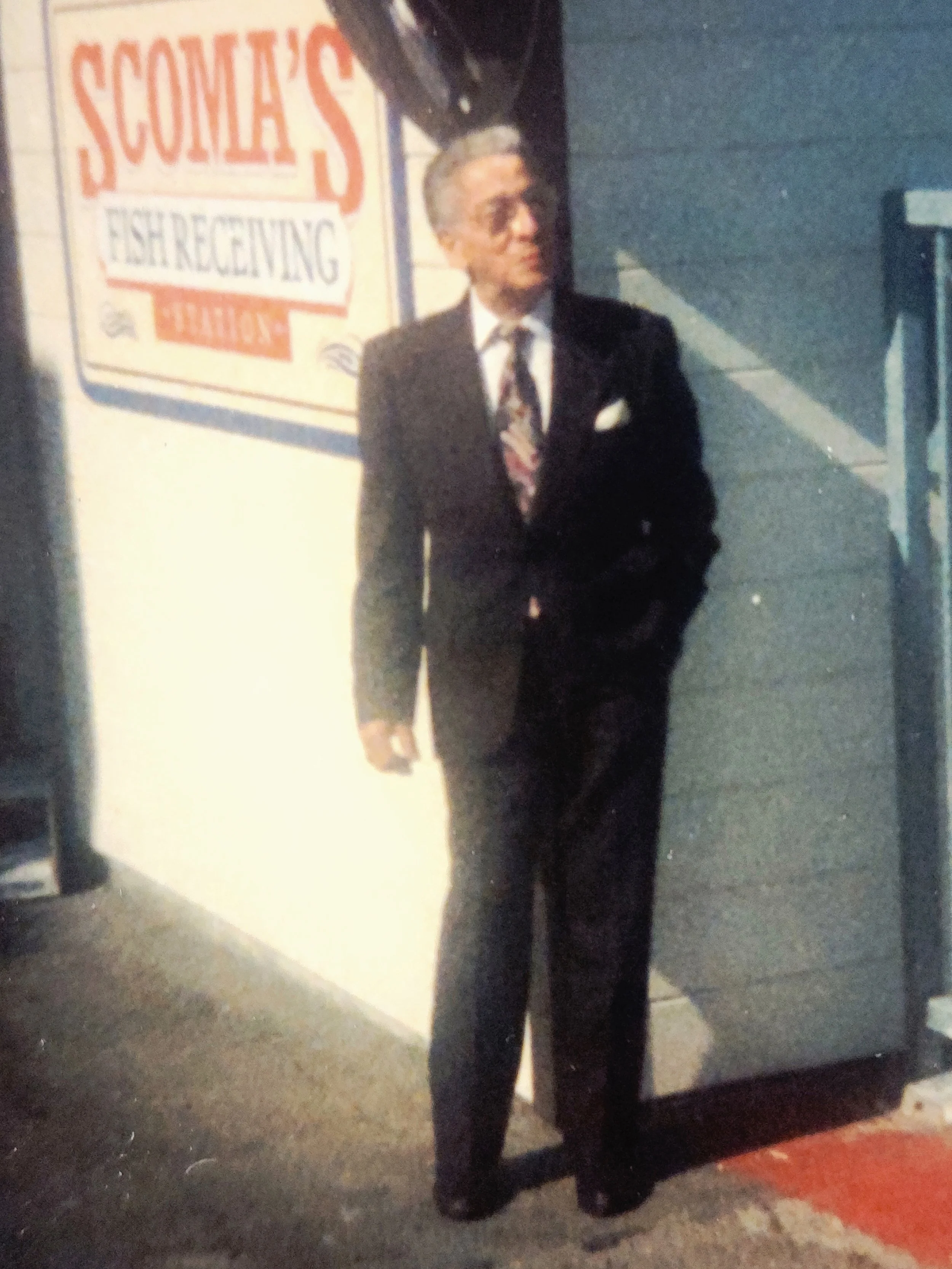
Fred still plays drums in a number of bands in the Portland Area, and he still does album covers. Almost every blues band in town has a cover by Fred. He’s always had an incredible range of styles that he references. He was good forty years ago, and he’s still great. (Check out some of his latest work below.) If you need art for your next record, you can get in touch with Fred at fred.c.ingram@gmail.com.




Carlos And Should I Say Yes en Español
One of our favorite songs we recorded during our years at Atlantic was 'Should I Say Yes.'
We were so pleased with the result that we decided to record a version in Spanish. Here's the story of that record and the remarkable man who helped us with the translation, Carlos Camus. It's a little snapshot of the vibrant music scene in Portland, Oregon, in the 1980s.
A long-time friend of NU SHOOZ found a video on YouTube and shared it with us. Somebody took our song ‘Should I Say Yes’ and spliced the Spanish version onto the end. (The Spanish version starts at minute 4:00 in the video above.)
The Spanish version.
Diciendo Si
Diciendo No
Long before their worldwide success with ‘Do That Conga,’ Miami Sound Machine was putting out Spanish versions of their songs in Latin America. That made us aware of that huge audience to the South.
’ S.I.S.Y.’ was the perfect song to do. We looked around for someone to write the translation. Right away, we thought of Carlos.
Carlos Camus was a very interesting gentleman, one of the true characters on the Portland music scene of the 1980s. A trim little man in his late 50’s/early 60’s, he came out every night to DANCE. Always impeccably dressed — elegant but never overstated. Valerie remembers his shoes. They were dancing shoes.
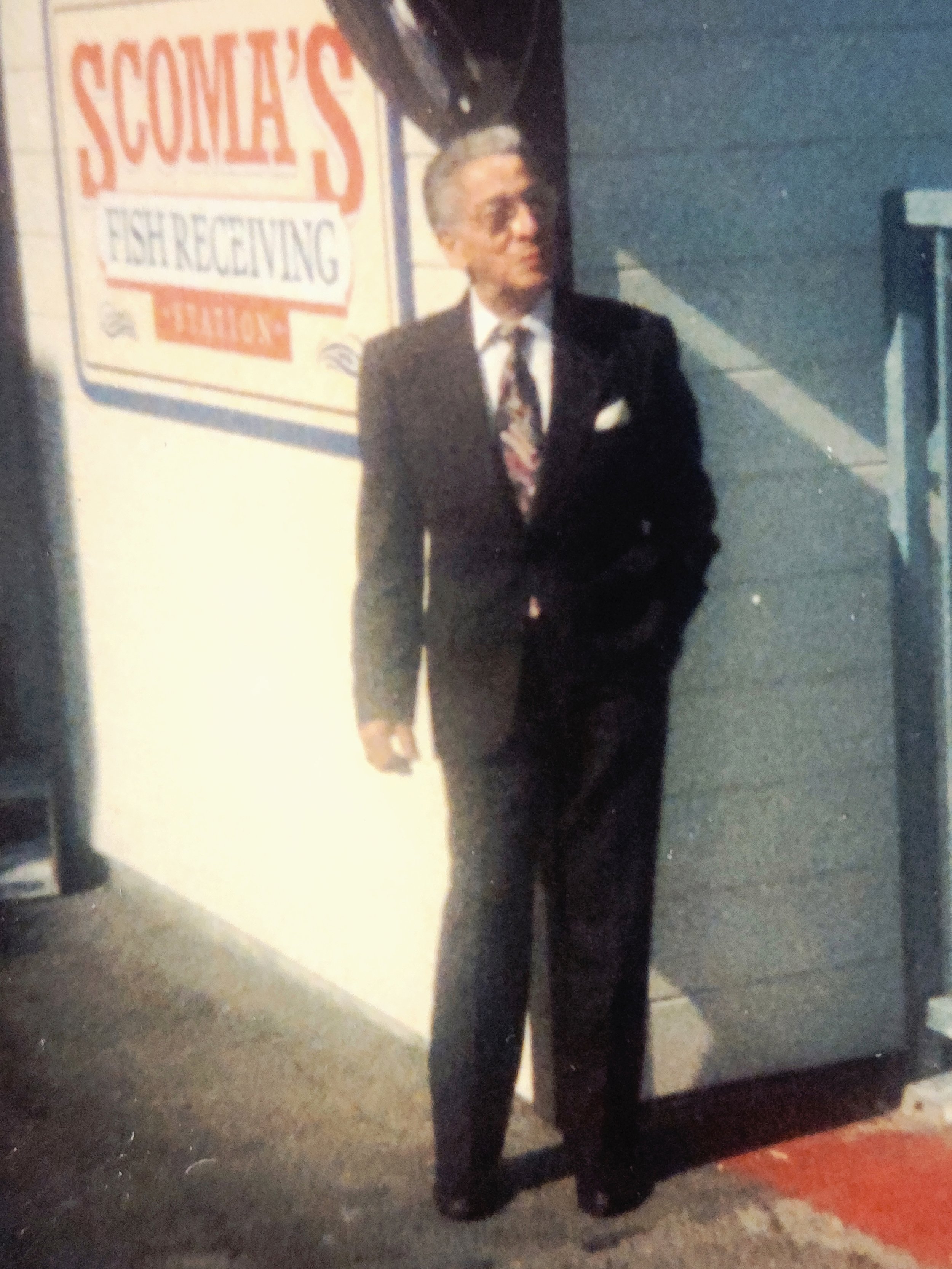

He came to hear our band when we played at KEY LARGO, a music club in Portland, OR. He came to hear all the bands, no matter what the style, punk, funk, or reggae, always sitting at his special table, sipping a flute of champagne, I believe. He was always one of the first people to get on the dance floor. Often he’d ask some young girl from the audience to dance with him. His invitation was always accepted. It wasn’t creepy. It was beautiful. He had those Old-World manners from another time and place. Everybody wanted to dance with Carlos.
We didn’t know his country of origin. There was something European in the mix, so maybe Argentina. He would have been right at home in one of those Tango movies from the 1940s. Later, we found out that he was Chilean, but the Tango image still fits.
Carlos would kick things off, then retire to his table and his champagne and watch as the dance floor filled with Hippie Twirlers, Leather Punks, and the Funky People.
For his day job, Carlos had a little shoe repair shop up on West Burnside. (This was before the world was taken over by disposable shoes.) He re-soled my Frye boots more than once.
Carlos was a little timid when I asked him to translate ‘Should I Say Yes.” He said, ‘I’ll get my daughter Jacqueline to help.’ Together, they cobbled together the version that you hear today.
I only wanted to change one thing. Their version of the chorus went:
Debo decir si
Debo decir no
That’s correct, but too many syllables for the song.
‘Can we say diciendo si, deciendo no? It sings a little better.’
‘Well,’ Carlos said, That’s saying yes, saying no, But I suppose you could do that.”
So that’s how the final version came together.
Back to the YouTube remix…
So, where did somebody find this rare piece of SHOOZ history?
We have a cassette version of it somewhere, in some box, from the studio where it was recorded. But, as far as I know, it was never released, not even as a test pressing.
Go figure.
The last time I saw Carlos, he had closed down his shoe repair shop. It had been a while since I saw him last. He had aged a lot. Most of the clubs he went to were gone. He didn’t remember me or the record we had made.
That whole scene is gone now, the bands, the clubs, and that elegant soul who came to dance and spread joy. There was a brass plaque on his table, stage left at the KEY LARGO club.
This Table
Is
Reserved
For
CARLOS
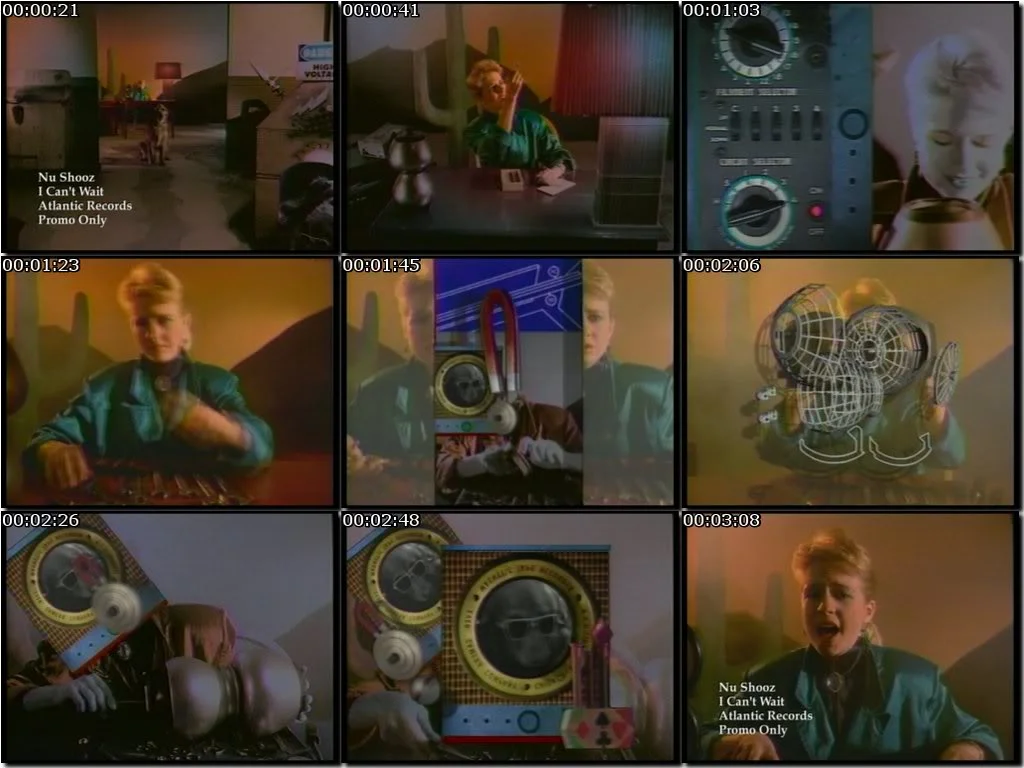
Nu Shooz and director Jim Blashfield talk about “I Can’t Wait” in an interview w/Sloan de Forest
When citing examples of music video directors with signature looks, names like Anton Corbijn or Matt Mahurin jump out, but the unfortunately overlooked genius in this club must be Jim Blashfield. Creating a trademark visual sensibility with just a handful of videos, the Oregon native created dreamlike fantasies with a cut-out xerographic animation style that reveals a gentle magic hiding the ordinary — strangely devilish garage-sale travelogues, if you will. Jim’s artisan videos, which embrace both texture and perspective, include Talking Heads’ “And She Was,” Paul Simon’s “Boy in the Bubble,” Tears for Fears’ “Sowing the Seeds of Love” and Michael Jackson’s wildly self-effacing “Leave Me Alone.” His most visually-trippy grab bag of kitchen sink mischief, though, is his clip for Nu Shooz’s “I Can’t Wait” from their album Poolside. The video he created for his fellow Portlanders, Valerie Day and John Smith, helped propel the duo’s inescapably catchy hit into pop history — and also into the still-curious minds of video music fans everywhere.
I spoke to Jim recently about his career, and he shared his experience on creating this amazing piece of filmmaking:
When citing examples of music video directors with signature looks, names like Anton Corbijn or Matt Mahurin jump out, but the unfortunately overlooked genius in this club must be Jim Blashfield. Creating a trademark visual sensibility with just a handful of videos, the Oregon native created dreamlike fantasies with a cut-out xerographic animation style that reveals a gentle magic hiding the ordinary — strangely devilish garage-sale travelogues, if you will. Jim’s artisan videos, which embrace both texture and perspective, include Talking Heads’ “And She Was,” Paul Simon’s “Boy in the Bubble,” Tears for Fears’ “Sowing the Seeds of Love” and Michael Jackson’s wildly self-effacing “Leave Me Alone.” His most visually-trippy grab bag of kitchen sink mischief, though, is his clip for Nu Shooz’s “I Can’t Wait” from their album Poolside. The video he created for his fellow Portlanders, Valerie Day and John Smith, helped propel the duo’s inescapably catchy hit into pop history — and also into the still-curious minds of video music fans everywhere.
I spoke to Jim recently about his career, and he shared his experience on creating this amazing piece of filmmaking:
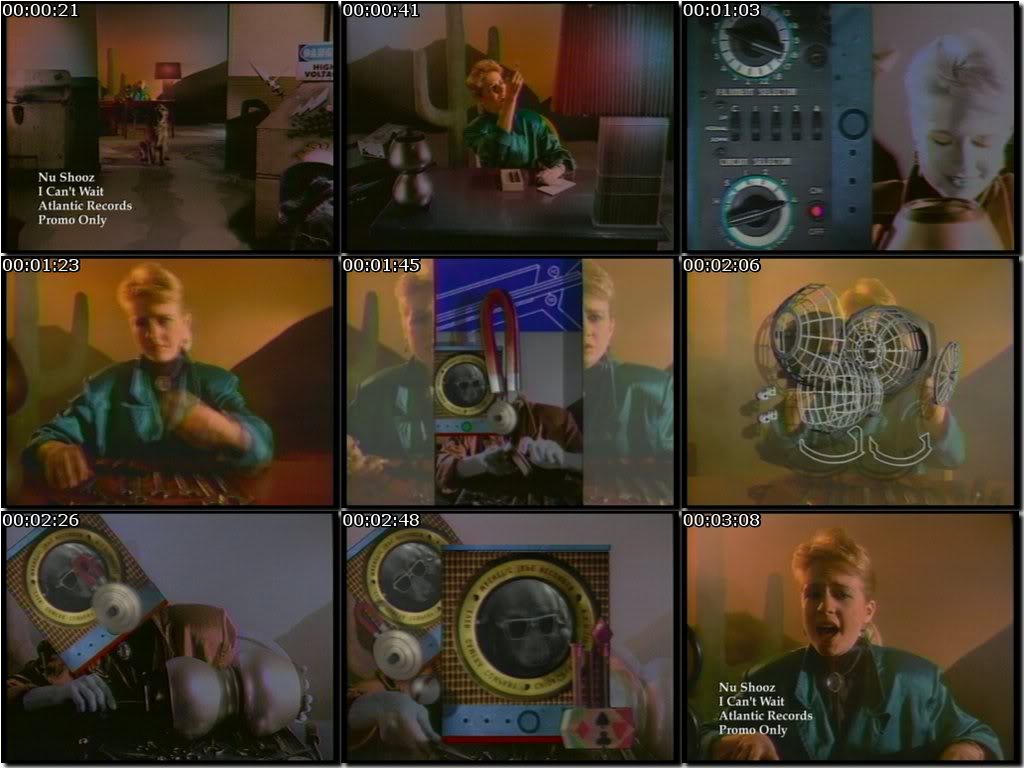
“I explained that I wanted to improvise it. I didn’t want to plan it at all. I wanted the experience of just making it up from what was around when we got to the studio. The morning of the shoot, I loaded my kitchen table and chair and lamp into my car along with some biology slides and a coffee maker and some kind of cigar box and headed over to the stage. I rummaged around among the props there and found some canvas and some walls from a commercial and some fake cactuses. I went upstairs where the band and the crew were assembled– we had a good and very professional crew, as you can tell from looking at the images– and told them I would be back in 10 minutes with instructions about setting up for the first shot, about which I had no idea whatsoever. I rummaged around in people’s offices and borrowed a few other items which looked promising. I went upstairs and said we were doing a video that took place in the desert, and set people about creating that. It seemed like we needed something in front of the green walls, so the video editor went down the street and came back with a dumpster, and rigged a way to make the lid go up and down with fishing line. I recalled that my friends who were on vacation had a great looking dog house for their dog Buster, and some people went there and stole it. We called up a friend with an obedient dog who would stay when asked, and he brought his pooch over. Somebody else got a bunch of tools out of the trunk of their car.”
“After the shoot the next step was a trip to Seattle to get the footage transferred and do strange things to some of it. Then, for post production, a trip to the thrift store and the corner grocery, returning with every other little gadget and doo-dah you see on the screen. The video editor was Mike Quinn who subsequently did the high-degree-of-difficulty video editing for my videos for Paul Simon, Peter Gabriel and others. During editing I called my friend Roger Kukes, the animator, and asked him if I could use part of his animated film ‘Up’ for the ending of the video where Valerie opens the little box and all the wiggly images come out, revealing all knowledge known to humankind. I recall that the opening scene with the Banana and souvenir totem pole dropping onto a piece of metal with holes in it took about 8 hours to composite, and was completed while I slept on the couch in the editing room. The scene where the image of the dog watching the golf ballish thing swings in and unceremoniously lands on Valerie’s head– and where it remains for longer than might be considered, strictly speaking, necessary– is there because it made me laugh when we tried it in post and was left in because nobody said I couldn’t. We had a take in which the guy with the smoke machine walks through in the background waving it around while Valerie is singing, but I left that out, due to some conservative impulse on my part, which I regret.”
Exclusively for The Golden Age of Music Video, Valerie Day and John Smith collectively answered a few questions about the video by email:
Q: How did you and Jim find each other?
A: Jim Blashfield was a local film maker/artist working in our hometown, Portland Oregon. We knew him first as a cartoonist, His drawings appeared in the local ‘free press.’ By the time the Shooz signed to Atlantic he’d become a world class video director, and his stuff was unique. It seemed like a good fit, and as it turned out, it was. His ‘I Can’t Wait’ video is our favorite of the three we made.
Q: How was working with Jim during the shoot? He said you really went with the flow.
A: The whole shoot was a swirl of madness. We had 48 hours between coming off the road and a vacation in Mexico. Jim improvised the whole thing, grabbing up objects like plastic sharks and samovars and somehow working them into the shoot.
Q: What do you recall as a highlight from the shoot?
A: A few days ago we were talking to a friend who worked on that shoot. She says she remembered Valerie sitting on a chair atop a spinning platform. They shot hours of this spinning thing. Jim kept saying ‘Shoot it one more time.’ None of that footage made the final cut.
Q: After I spoke to Jim, I realized that most of it was done on the fly and there’s no real subtext, other than Valerie plays a scientist examining things and trying get the answer to “tell me what it’s all about”. When people ask you to explain parts of the video, do you find that irksome or amusing?
A: We prefer to let people come up with their own interpretation. Carl Jung’s work with the unconscious suggests that everything in our heads is connected, all our preferences and prejudices, what we like and what we don’t. Somehow the random imagery in the “I Can’t Wait” video ended up saying exactly what we wanted it to say.
Q: Jim said, “If viewers look closely they may notice that happiness seems to be represented as a shark found lurking in a coffee pot, a metaphor which is certainly worth considering, if you ask me.” What do you think about that?
A: In the hands of a lesser director we might have ended up with a melancholy/needy girl waiting by the phone. Not Jim. It wasn’t that we discussed our vision so much as he was just as psychedelic as we were.
Q: What did you think the first time you saw it, and what do you think when you see it now?
A: MTV was a cultural revolution. In some ways it ruined music, in some ways it added a new dimension. At the time it was just thrilling to be a part of it, to know they were watching us in Cleveland…and Brazil. When we see it now, it still holds up as a perfect piece of art, one that represents Nu Shooz exactly how we wanted it to be seen.
I Can’t Wait: The Video…What IS It All About?
Since it first appeared in 1986 during the heyday of MTV, people having been asking us about the video for “I Can’t Wait”. What is the meaning behind it all? Why is Valerie pulling a shark out of a coffee pot? Is the dog wearing sunglasses a part of the band?
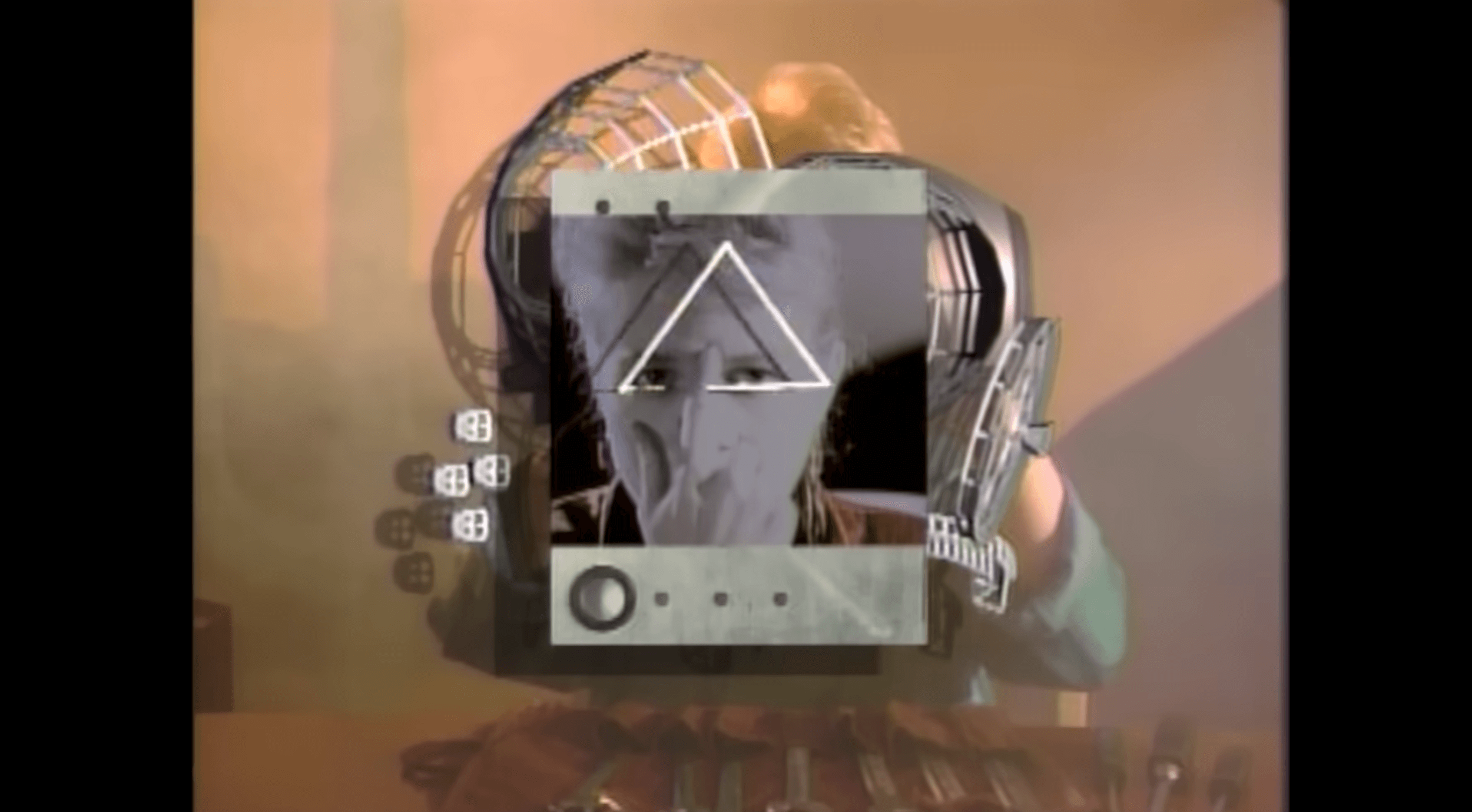
Since it first appeared in 1986 during the heyday of MTV, people have been asking us about the video for “I Can’t Wait”. What is the meaning behind it all? Why is Valerie pulling a shark out of a coffee pot? Is the dog wearing sunglasses a part of the band?
John and I have always loved the video for I Can’t Wait. Working on it with Jim Blashfield was one of the highlights of our pop music career. Jim lives in Portland with his wife, Mellisa Marsland (who also produced the video), and his daughter Hallie. We have gotten to be good friends with Jim and his family over the years. We even got to work with Jim recently on a multi-media performance called Brain Chemistry For Lovers. Jim directed, edited the script, and created video for it. Over the years, we’ve had a few discussions about the music business and assorted other music-related topics, but because the video for ICW had always “made sense” on a non-literal level to us, John and I had never thought to ask Jim, “What was that all about?”
Enter Sloan de Forest, a woman who calls herself “the Pauline Kael of classic MTV.” Sloan had a blog called “Images of Heaven: Remembering The Lost Art of Music Video.” She had decided it was time to uncover the story behind the “making of” ICW. She emailed Jim. He responded and copied us on the email. The blog no longer exists, but Jim's response does. Here it is in its entirety:
The video came about because I was a filmmaker living in Portland and my producer Melissa Marsland and I had just finished our first video, And She Was, and another for Joni Mitchell called Good Friends, and our fellow Portlanders-- the Nu Shooz crew who had been having some big international dance hits-- asked us to do a video for them. I explained that I wanted to improvise it. I didn't want to plan it at all. I wanted the experience of just making it up from what was around when we got to the studio. The morning of the shoot, I loaded my kitchen table and chair, and lamp into my car, along with some biology slides and a coffee maker, and some kind of cigar box, and headed over to the stage.
I rummaged around among the props there and found some canvas and some walls from a commercial, and some fake cactuses. I went upstairs, where the band and the crew were assembled-- we had a good and very professional crew, as you can tell from looking at the images-- and told them I would be back in 10 minutes with instructions about setting up for the first shot, about which I had no idea whatsoever. I rummaged around in people's offices and borrowed a few other items which looked promising. I went upstairs and said we were doing a video that took place in the desert and set people about creating that. It seemed like we needed something in front of the green walls, so the video editor went down the street and came back with a dumpster and rigged a way to make the lid go up and down with fishing line.
I recalled that my friends who were on vacation had a great-looking dog house for their dog Buster and some people went there and stole it. We called up a friend with an obedient dog who would stay when asked, and he brought his pooch over. Somebody else got a bunch of tools out of the trunk of their car. Now, fully prepared, with the band members doing an admirable job of hiding their apprehension, we were all set to shoot the live-action! Valerie was completely along for the ride with a great sense of playfulness, as her song was absolutely misinterpreted.
After the shoot, the next step was a trip to Seattle to get the footage transferred and do strange things to some of it, and then, for post-production, a trip to the thrift store and the corner grocery, returning with every other little gadget and doo-dah you see on the screen.
The video editor was Mike Quinn, who subsequently did the high-degree-of-difficulty video editing for my videos for Paul Simon, Peter Gabriel, and others. During editing, I called my friend Roger Kukes, the animator, and asked him if I could use part of his animated film Up for the ending of the video where Valerie Day opens the little box, and all the wiggly images come out, revealing all knowledge known to humankind.
I recall that the opening scene with the Banana and souvenir totem pole dropping onto a piece of metal with holes in it took about 8 hours to composite and was completed while I slept on the couch in the editing room. The scene where the image of the dog watching the golf ballish thing swings in and unceremoniously lands on Valerie's head-- and where it remains for longer than might be considered, strictly speaking, necessary-- is there because it made me laugh when we tried it in post and was left in because nobody said I couldn't. We had a take in which the guy with the smoke machine walks through in the background, waving it around while Valerie is singing, but I left that out due to some conservative impulse on my part, which I regret.
When they saw the video, the record company called it "unusual," or perhaps "quite unusual," or maybe "very unusual," or possibly some other less neutral phrase that I have repressed.
So what is it? Besides being a promo for a band and a song, it is an experiment to see what results when you take a line from the video "tell me what it's all about" and decide that Valerie is some kind of a scientist with an interest in small appliance repair instead of somebody waiting, lovesick, for a phone call, and let everything follow logically from that. If viewers look closely, they may notice that happiness seems to be represented as a shark found lurking in a coffee pot, a metaphor which is certainly worth considering if you ask me.
This being Portland and Nu Shooz being Nu Shooz and me being something of a troublemaker with a perhaps overdeveloped allegiance to the ordinary, the Portland MTV video premiere party was held in a truck-stop cafe and bar up the street. The local news sent a mobile truck to broadcast the glamorous event live.
By the way, and not incidentally, Valerie Day and John Smith, the Nu Shooz core, are fabulous and very versatile musicians and have a new CD out, Pandora's Box, that is exquisitely produced, hypnotically beautiful and completely different from the zillion seller Poolside, of which I Can't Wait was a part. I didn't have in mind to promote their CD when I began this fascinating run-on mind-evacuation, but since I'm talking about it... https://nushoozorchestra.bandcamp.com/album/pandoras-box
So hey, thanks for your interest, Sloan. I agree that some pretty interesting work was made during that period, and am aware that my co-conspirators and I were behind a few of the more interesting ones. That was our intention. To do stuff that bent the expected trajectory or looked deeper, or cast light and attention on subjects, images, and ways of seeing things that were often overlooked. Thanks for appreciating that!
I must go now and milk the swan.
Jim Blashfield
Reading Jim’s account of how the video came together made us appreciate him even more than we already do. And what a blast to have his version of the making of! He’s a master at using images to explore that theme park of the mind – the unconscious – and give us all a great time while doing it.
Thought I’d share it with you.
- Valerie
Find our latest newsletter below!
Search The Blog….


![Welcome to your summer. Yes, it's finally here! And it's the 46th anniversary of the very first NuShooz gig. [Colonel Summer's Park, Portland, Oregon, June 21st, 1979.] What a different world that was; pre-internet, no smartphones or smart toasters,](https://images.squarespace-cdn.com/content/v1/54cee645e4b01fa0f0bfc5f9/1772327896063-IIMMIJOZCTP00HOVTU9D/image-asset.jpeg)