
NU SHOOZ TIME MACHINE: GOOD MORNING AMERICA
In the summer of 1986, Valerie and John were on top of the world with two singles in the Billboard Top 40. They even landed an interview on Good Morning America, but it didn't go quite as planned. However, what happened next was unexpected and involved a beloved children's author and a very tall man.

In the summer of 1986, we had two singles in the Billboard Top 40. Valerie and I were invited to be on Good Morning America. I’m sorry I don’t remember the name of the woman who interviewed us. It wasn’t a particularly good interview. You can always tell when the host knows absolutely nothing about you. They’re getting their questions off the one sheet that the record label sends out.
We did get to meet Charlie Rose. Well, we didn’t actually get to meet him. He just rushed by us in the hallway and said, “Charlie Rose.” Very tall guy.
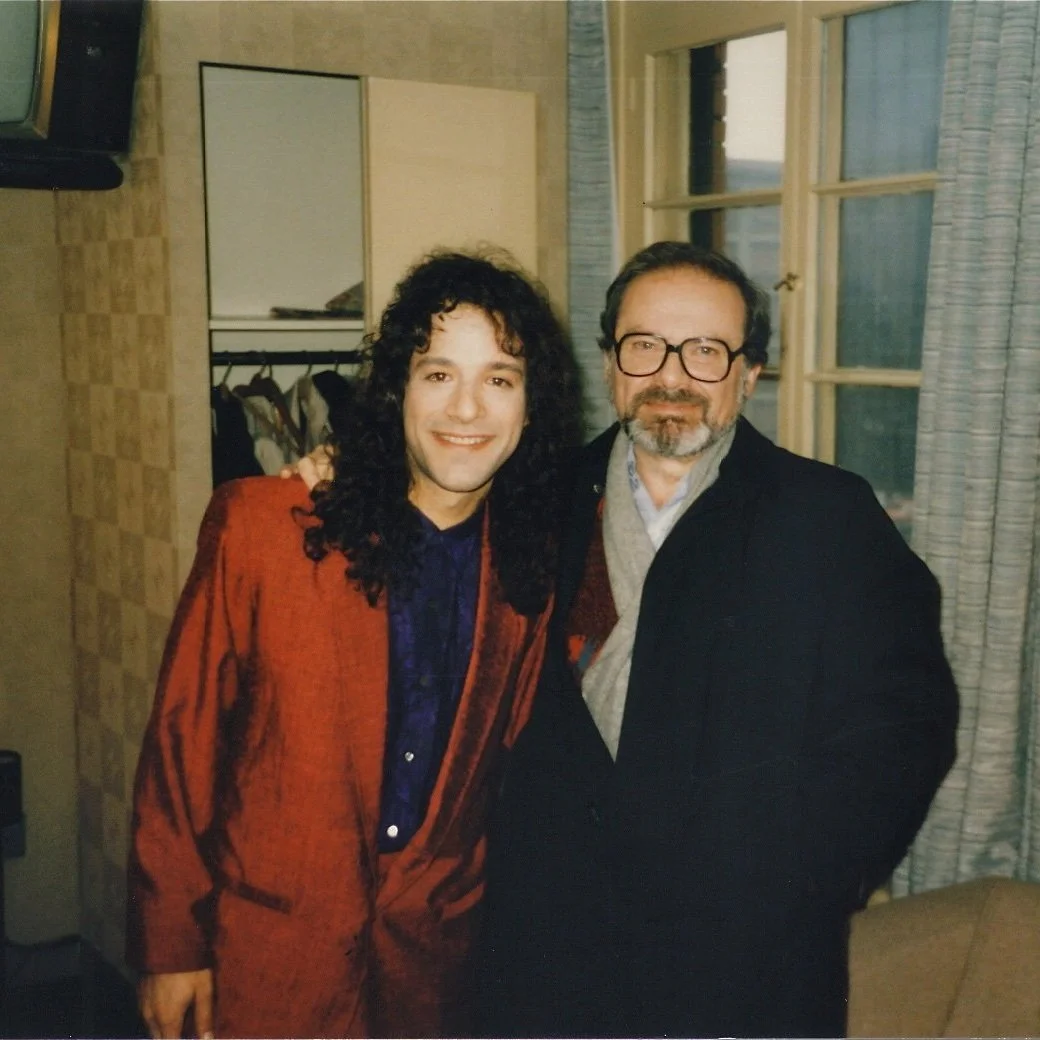
The best part was meeting Maurice Sendak, beloved author of Where the Wild Things Are and In the Night Kitchen. Nice man. I got my picture taken with him. He went on to win a couple of Tony Awards for set design.
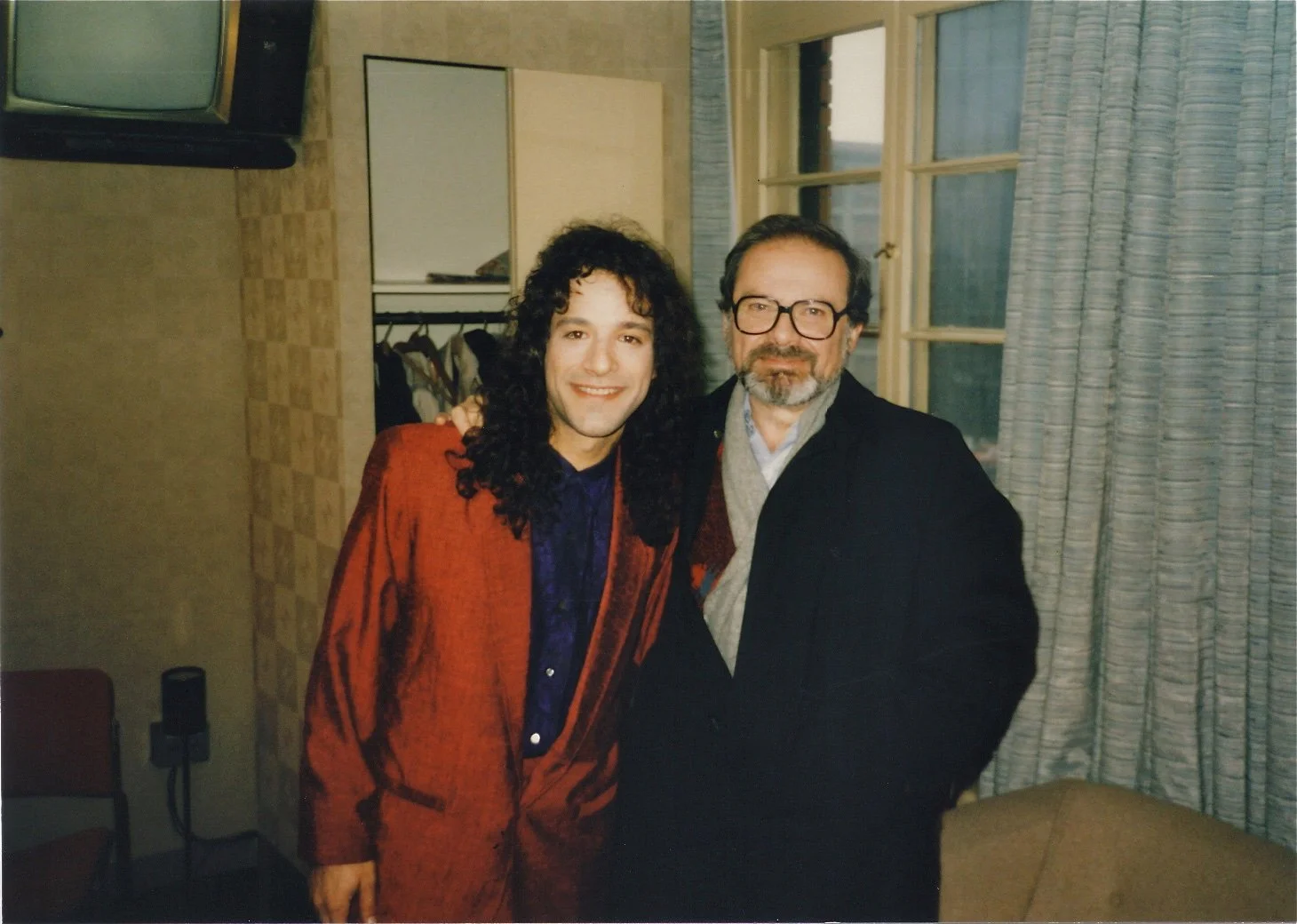
John and Maurice Sendak, April 1986.
Our interview never aired, which was fine.
It was preempted by some crisis happening over in Europe.
NU SHOOZ TIME MACHINE: The Tour That Killed The Band
It’s 1981, and the Shooz have “arrived” in Portland, OR, playing to packed houses for dance-crazed revelers. But will they survive their first-ever Northwest tour? Or end up playing to tumbleweeds in the mountains of Montana? Read on to find out more about The Tour That Killed The Band.

A while ago we asked the question, What would you like to see on our website?
The universal answer was (of course,) more stories about the ‘good old days.’ Some stories we’ve told over and over, like writing ‘Should I Say Yes’ in a full-blown [pun intended] tornado.
Is there anything left to say?
Valerie and I sat down and brainstormed, and came up with a pretty good list. We’ll take them in the order that they occurred to us. Here’s story #5.
In April 1981, five years before I Can’t Wait was released, Nu Shooz was on top of the world. That same month, an Oregonian newspaper article announced our arrival into the top tier of Portland bands.

The Shooz had come a long way in two years. The original four-piece group limped along through the winter of ’79. The horns and backup singers, the Shoo-horns and I-lets, were added in 1980. Now we were twelve, and it was starting to work.
Our first gig at the Earth Tavern, a hippie bar in Northwest Portland, we made fifteen bucks at the door. We gave it to the four horn players because they were pros who could read the charts. It was enough to buy a round of beer in 1980.
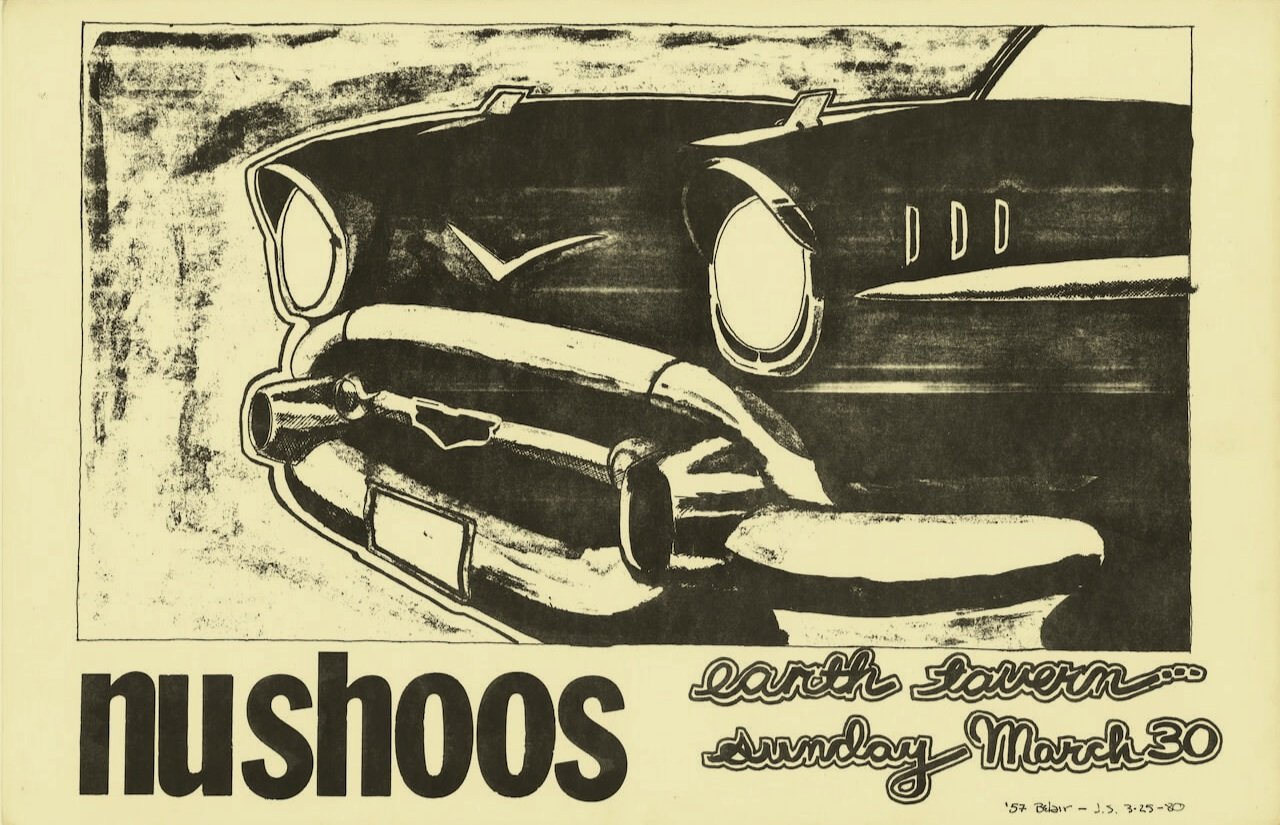
This was the beginning of the Second Incarnation of Nu Shooz.
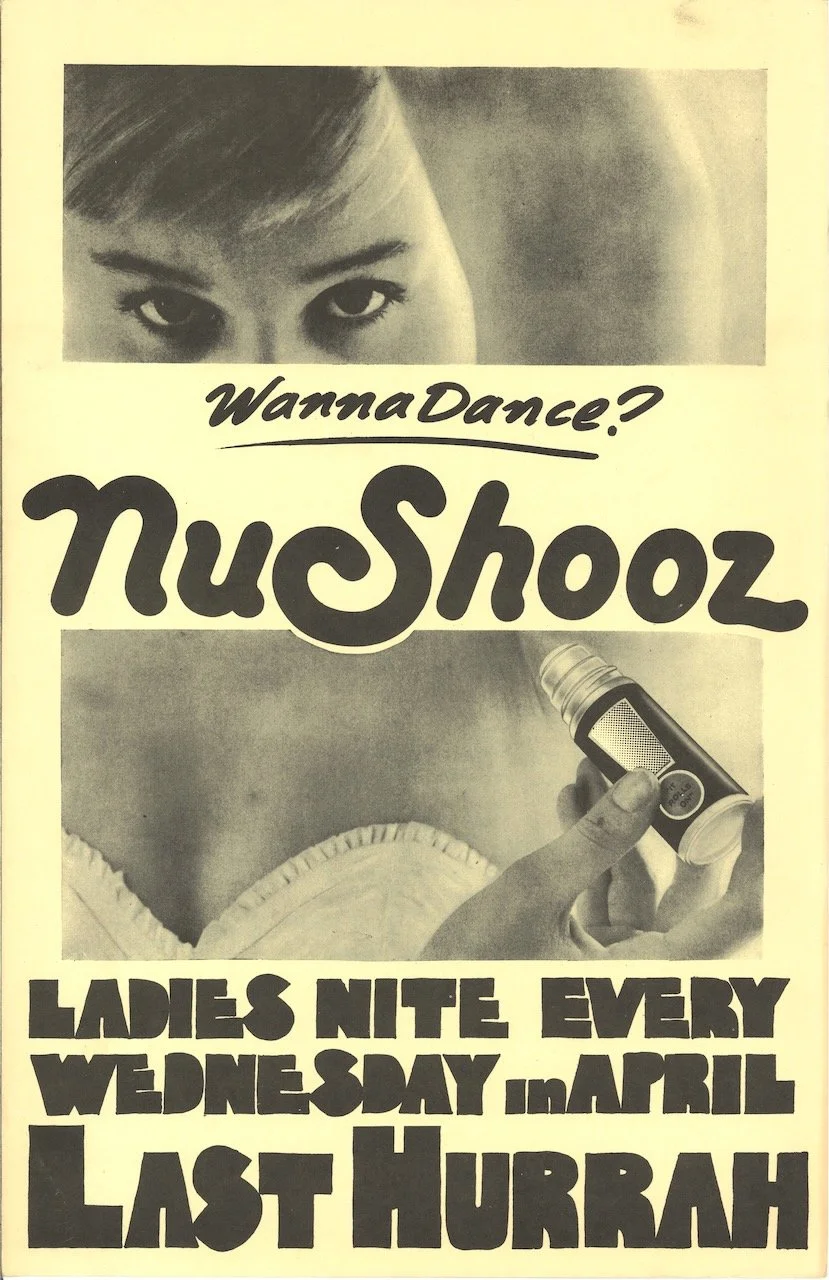
We weren’t making any money, but we’d do things like show up at folkie open mike nights, get up on stage with twelve people and burn the place down. Then we got a break. The Last Hurrah was the number-one music venue in town, the place where everyone wanted to play. Dave Musser, our lead singer at the time, talked the owners into coming out to see us. They immediately gave us the coveted Ladies Night slot every Wednesday night for the whole summer.
We went from making eight dollars a night at the Earth and the Coyote Club to lines out the door at the Last Hurrah. It was the spring of ’81.
Nu Shooz was on top of the world.

Fast forward a year. Things were starting to fray. New Wave had come in. Half the band wanted to go in that direction. The other half wanted to stick to mid-tempo funk.
And, even though we were packing ’em in on Ladies’ Night, no one was making any money.
By this time, we’d slimmed down to nine people plus a sound man. Back in those days, some clubs on the road had ‘Band Houses.’ They were uniformly decrepit. Many had fleas waiting to serve YOU…for their evening meal!
On the Oregon Coast, all ten of us crammed into a two-bedroom (one-bathroom) Band House. Everybody got the flu. Then we were offered an eight-week tour of Montana, Idaho, and Washington by a Top-40 agent out of Seattle. We jumped at the money, five nights a week, four hours a night. Sixteen Hundred bucks a week. (Split ten ways!)
We had a grand time there at that club in Missoula. The band was pumping on nine cylinders. The club took us river rafting on our day off. In the afternoon, we ate pepper-jack cheeseburgers with shots of Wild Turkey at the Missoula Club.
They didn’t have a Band House, so they put us up at the Economy West Motel. The sign out front said;

For the REST of your LIFE
Well, at least we all got our own rooms. That was a plus.

Valerie and I shared a room. The Economy West Motel was next to a KFC. (Back then, it was known by its full name, Colonel Sanders Kentucky Fried Chicken.) Our room was right next to the drive-thru order box.
We’d get off the gig around 2 AM and stay up till four, winding down. At ten o’clock sharp, a metallic voice would tear us from our dreams. “Regular or Crispy?”
The Economy West Motel had an empty swimming pool with a dead rat down at the deep end. We had band meetings there. The rat was unmoved.

Then it was on to Coeur d’Alene, Idaho.
Don’t remember anything about the gig except that our audience was stolen by a great Top-40 band playing right across the street. For two weeks, we played to… Tumbleweeds.
Next stop, Spokane, Washington.
Spokane was a little down at the heels forty years ago. They’ve spiffed it up a lot since then. We found ourselves booked into a biker bar, four pool tables, and a shiny phalanx of Harleys and Goldwings parked out front.
We played stuff that we always played, dance floor packing tunes from Tower of Power, Earth Wind & Fire, and the Isley Bros. Every song ended to the sound of crickets…and clacking pool balls. Every once in a while, a drunk biker would yell, “Quit playing that (N-word) music!” We were booked there for two weeks, four hours a night, six nights a week. Nothing but hostility from the Harley crowd.
The last song of the last night, I thought, “Alright, (F-word) it!” And I started playing “Cocaine.” Everybody knows that riff. And you can just make up any words.
When you’re out on the floor
And you want some more
Cocaine
When you’re walkin’ your dog
And he drops a log
You get the idea.
The bikers went wild!
It was like someone flipped a switch.
I was like, “(F-word,) you!”
On to Seattle.
In the ‘Emerald City,’ we were booked into a Medieval Inn-type place, you know, where it’s all dark timbers, the waitresses wear dirndls, and people are eating huge pieces of meat off of wooden platters. The stage was a little cozy for a nine-piece band and very hot.

Toward the end of the first night, this skinny kid comes up on the break and asks our Bari player if he can sit in. It’s the end of the night, so why not? We aren’t expecting much. Tom hands over the Bari.
The kid is fantastic!
A funk bebop genius.
So…
The next night he comes back.
He’s wearing a long tweed coat like we all have up here in the Pacific Northwest. But it’s Summer. The kid comes right up to the lip of the stage, opens his coat, and pulls out a double-barreled shotgun. He points it at Tom.
“I wanna sit in.”
No lie!
All nine of us freeze. Jaws on the floor.
The kid cracks up.
Ha-ha…just kidding.”
And we let him sit in.
Can you imagine that happening now?
When we got back to Portland, another band had taken our Ladies’ Night slot at the Last Hurrah and took our audience too. And a few weeks after that, five band members quit, and one was fired, thus ending the Second Incarnation of Nu Shooz.
Thank goodness the story doesn’t end there.
NU SHOOZ TIME MACHINE: Soul 45s
It’s the 60s in Southern California, and John’s just been introduced to Taco Bell and Soul Music. Read on to find out what connects his first ever Soul 45 to Nu Shooz on the telly in 1986.

A while ago we asked the question, What would you like to see on our website?
The universal answer was (of course,) more stories about the ‘good old days.’ Some stories we’ve told over and over, like writing ‘Should I Say Yes’ in a full-blown [pun intended] tornado.
Is there anything left to say?
Valerie and I sat down and brainstormed, and came up with a pretty good list. We’ll take them in the order that they occurred to us. Here’s story #4.

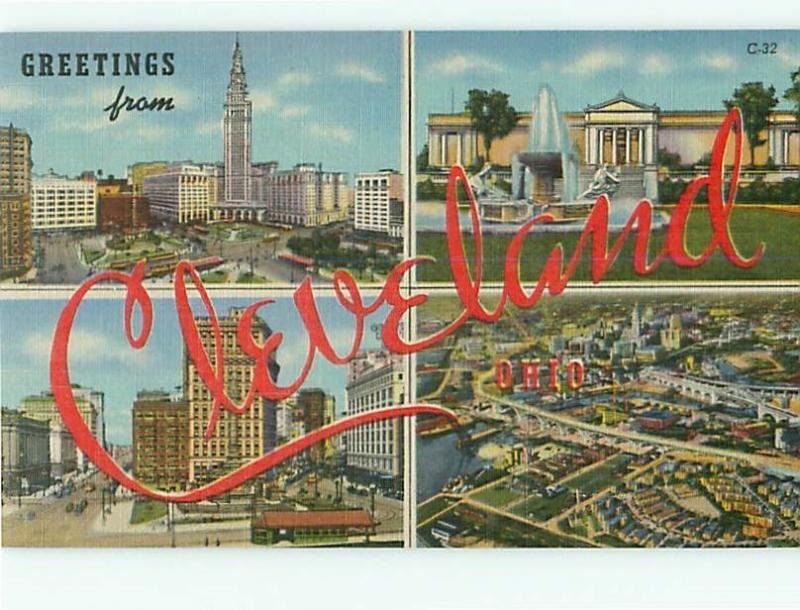
I grew up in Cleveland, Ohio.
The ‘Best Location in the Nation,’ or the ‘Mistake on the Lake.’
Choose one.
I was raised by kind foster parents, the Sheldons, till I was ten. That summer, they shipped me and all my belongings out to L.A. to live with my mother. The first thing we did was go to Taco Bell, where she turned me on to Mexican food. They didn’t have that in Cleveland in 1966. (It’s off-topic, but Taco Bell at that time had about six items, and they all cost 24 cents.)

We rented a tiny house in San Pedro, the Port of Los Angeles. My mom, she insisted that I call her Dorothy, worked three jobs. So I was suddenly on my own. That suited me fine.
Wandering the neighborhood, I met a half-Filipino kid named Michael. I wouldn’t say that we were exactly friends. For a while, he used to beat me up when I got off the school bus. Gradually, I got to know the family, Betty, a single mom, and Michael’s older brother, Philip.
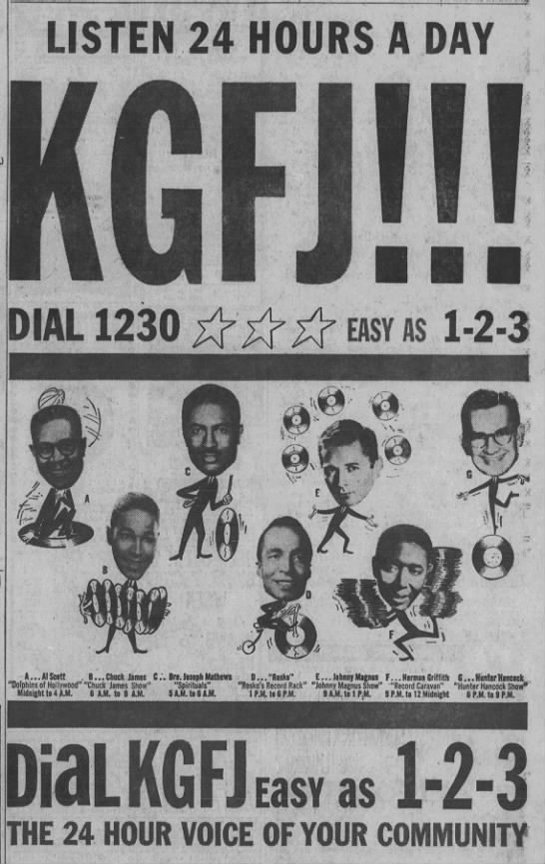
Philip was a follower of Elijah Muhammad and the Nation of Islam. He turned me on to the black A.M. station, KGFJ 1230, “The Sound of Black America.”

Back in Cleveland our musical tastes ran more toward Herb Alpert and the Tijuana Brass, and the Baja Marimba band. (Uncle Tony was a professional trombone player.)
For Christmas I got a portable radio complete with a three-speed turntable. I carried it everywhere and became an overnight convert to the Church of Soul Music. KGFJ was a window into another planet. This was the Golden Age of Soul. Motown, Stax, and regional labels like King and Brunswick were putting out their greatest work.

(Image by Joe Haupt)
There was a black family who lived up the alley from our house. With Dorothy gone all the time, I started hanging out there. Frank and Amanda Miller had five kids. Two of them were deaf/mute. Frank was building a supercar in the garage, a souped-up ’49 Plymouth. Amanda taught me how to dance the ‘Popcorn.’ I could go on and on about them, but anyway…
One day Amanda says, “I’m going to the record store. What song do you want?”
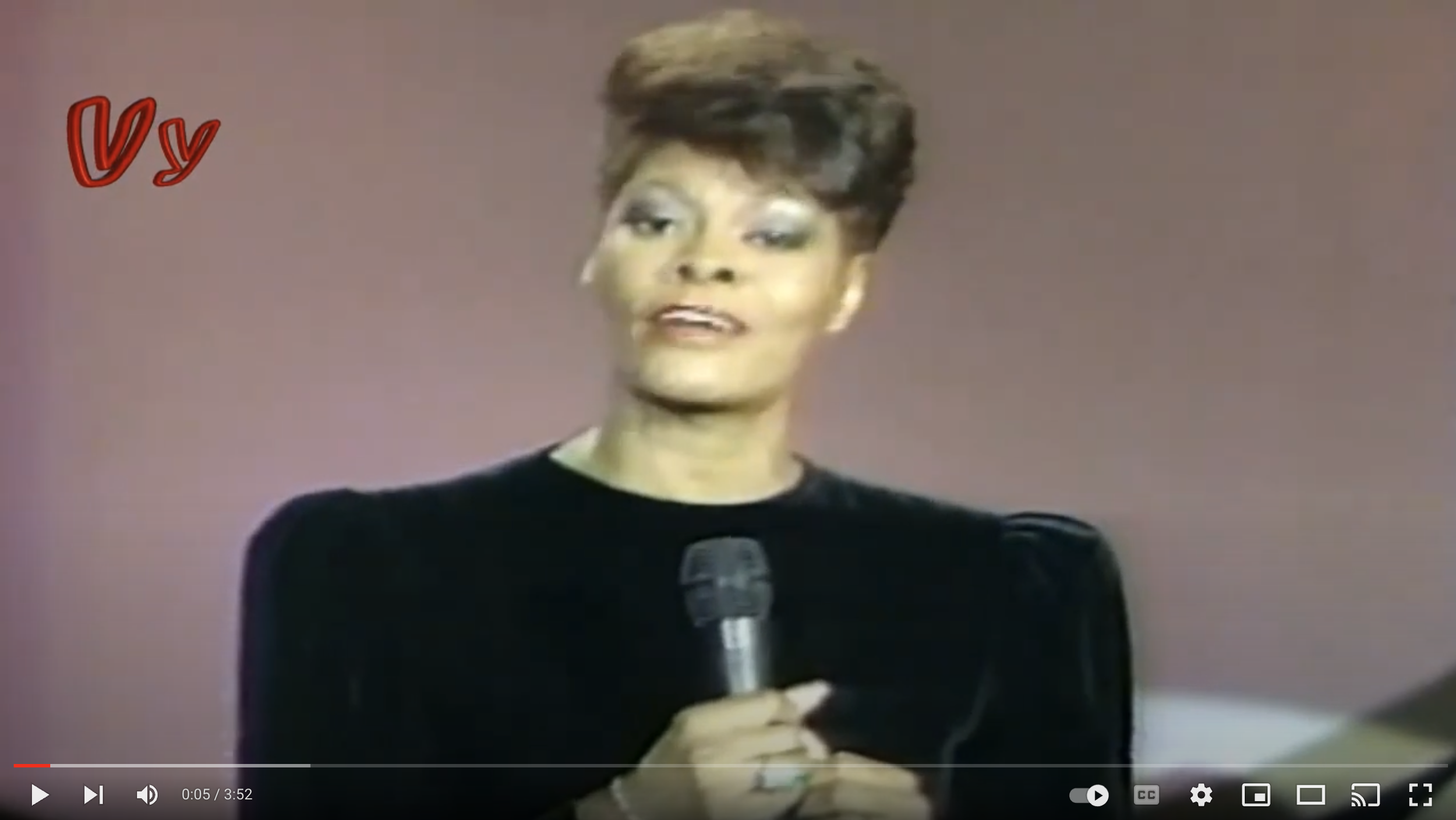
I chose, Say A Little Prayer, recorded by Dionne Warwick.
And she bought it for me, my first Soul 45.

Others would follow. James Brown had a new single out every other week. I loved Smokey and the Miracles, The Four Tops, and The Meters. A new record would come out of my portable radio on the morning trip to school. As soon as school was out, I’d get 69 cents in my sweaty paw and run down to the little black record store, Jesse’s Records, on Gaffey Street.
Fast forward twenty years.
Our band, Nu Shooz, is appearing on Solid Gold, and the host is…
Dionne Warwick!
My first Soul 45.
The camera’s rolling. The red light is on.
She says, “Now here’s Nu SHOOZ, with I CAIN’T Wait.”
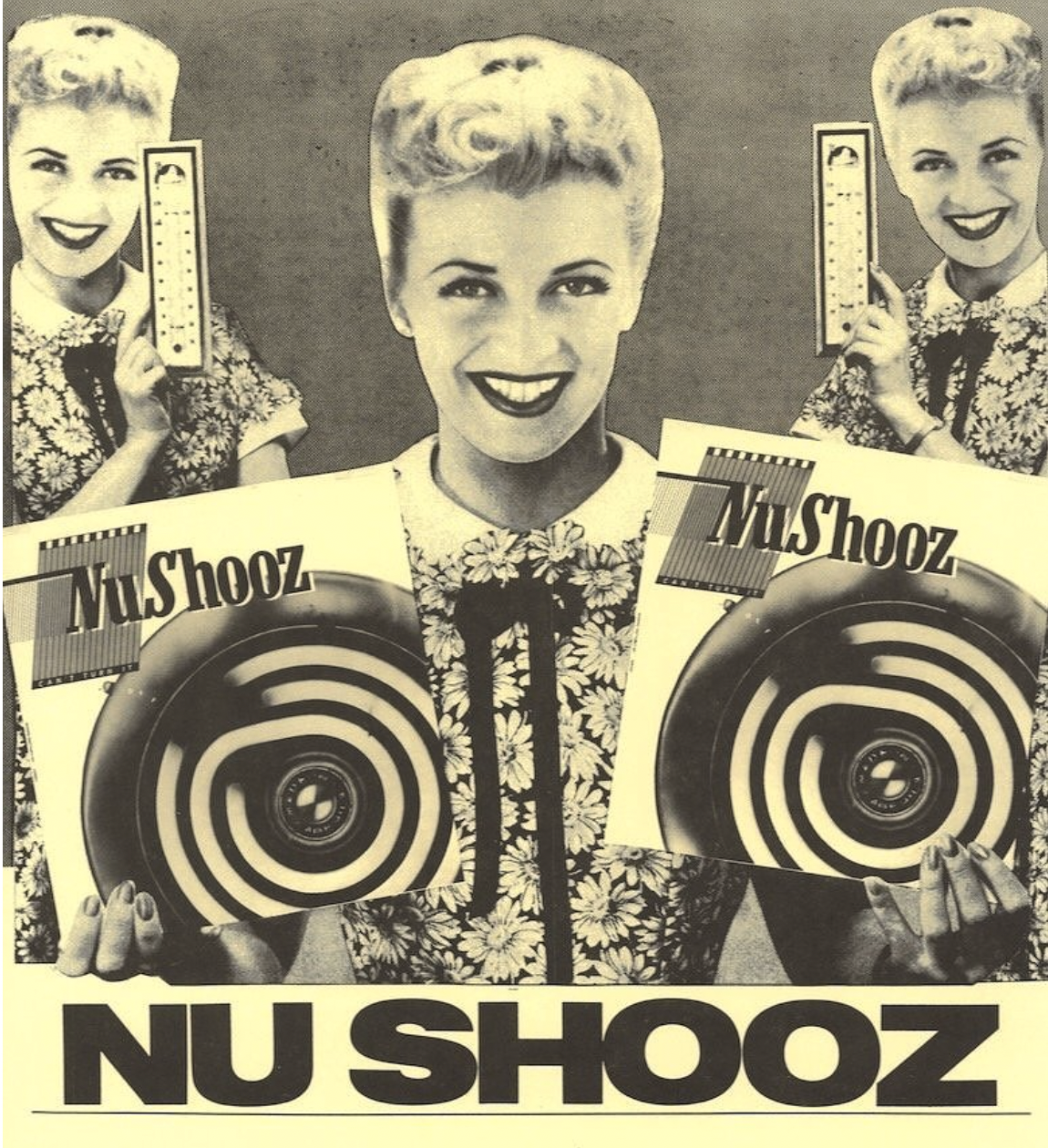
Perennial Interview Question #3: How’d You Get The Band Name?
Ever wonder how the band got its name? Well, wonder no more! John answers the perennial interview question, How’d You Get The Name?
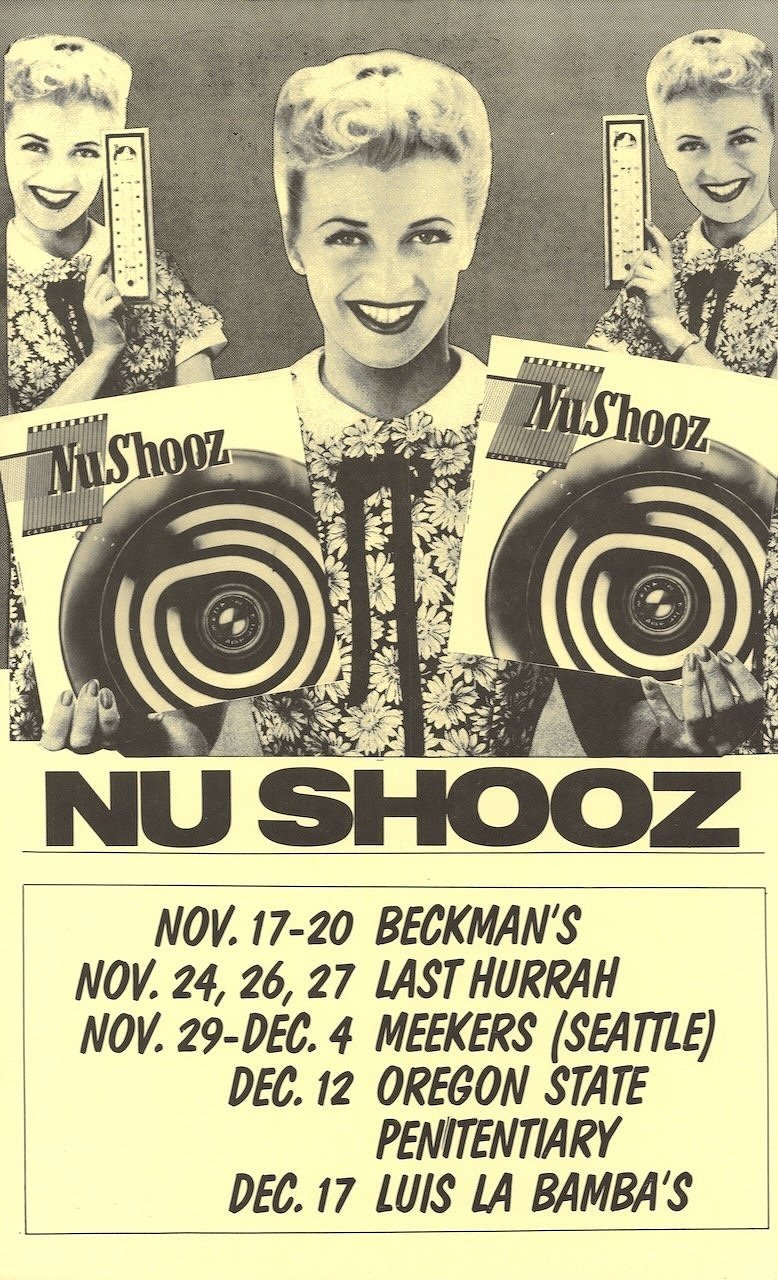
Early Nu Shooz band poster circa 1982
HOW DID WE GET THE BAND NAME?
OK…Once and for all, we come to Perennial Interview question #3.
(Question #1 is: What’s “I Can’t Wait” about?
Answer: “It’s about six minutes and twenty-nine seconds. That’s the long version.”
Question #2: What’s it like to be in a Famous Band with your spouse?
Answer: “Well, we got to see each other a lot!”)
Back to Question #3.
We started rehearsals for what became Nu Shooz in May 1979. Our drummer, Randy Givens, was the son of a music store owner. He could play something credible on almost any instrument and was particularly resourceful at getting gigs. Before we learned our first song, he’d already gotten us a gig at Col. Summers Park, half a block down the street.
The gig was a month away.
We needed a name.
Something to put on a poster.
Somebody (not me) said, “Let’s call it ‘The John Smith Group’.” That was the kind of thing jazzers did in the late 70s.
“Hell no!”
I forget what other names we came up with. I think one of them was ‘Hide the Silverware,’ which I kinda liked.

John Smith & Larry Haggin
Larry Haggin and I, former members of the late great Latin band Felicidades, had decided to put a new thing together. We were standing by the kitchen stove at “Twenty-One-Twelve,” the house where we had band practice. On the wall behind the stove was ‘Contact Paper.’ Does anybody remember that stuff? It came in wood grain and bunny rabbits and a thousand other prints.
This one was printed to look like a page from an 1890’s newspaper, what they used to call ‘fish wrap.’
And on the page was an ad for lace-up shoes.
Larry and I looked over at the same time and said, “We could be The Shoes!”
“Yeah…that’s stupid enough.”
This was the era of Band Names with Dumb Nouns; The Cars, The Police, Doctor and the Medics.
“Yeah…The Shoes.”

photo by Valerie Day
OK. Fast-forward two weeks. We’re in a Record Store. (Remember those?) And we find a record by a band called SHOES. Just SHOES. Personally, I thought the omission of the ‘the’ a little pretentious.
Anyway, the search for a band name began all over again.
Then, Jim Hogan, our bass player and arguably the best-looking member of the group, says, “Why don’t you call it New Shoes?”
“Hey!”
“Not bad!”
The original concept for the band was a mash-up of the Temptations and late-period Isley Bros.; four-part soul harmonies and Psychedelic Jazz guitar solos. There were two good singers in our four-piece band and two bad ones. I was definitely in Column B. We won’t say who the other one was.
Since the concept was a vocal group, I decided to be clever and spell the name New Shoo’s, you know, ‘Shoo’ like a backup vocal syllable. “Shoo-bop-shoo-BAM!”

Poster art by John R. Smith
But Americans, as a people, not the best of readers, read it as Shoosss. So that lasted for one poster.
Jim Hogan to the rescue again.
“You should spell it N-U-S-H-O-O-Z.
The ‘Z’ makes it more ROCK!”

For 30 years I didn’t like our band name very much. It sounded frumpy and old to me. I wanted something edgy and dangerous like METALLICA or MEGADETH. Then in the roaring 2010s, we went out on the 80’s tour, and I realized that it was perfect. Like the ’80s, it was bright and bouncy and all about dance music.
We’ve answered this question so many times that our stock answer to the Perennial Interview Question #3 is:
“The BEATLES was already taken.”
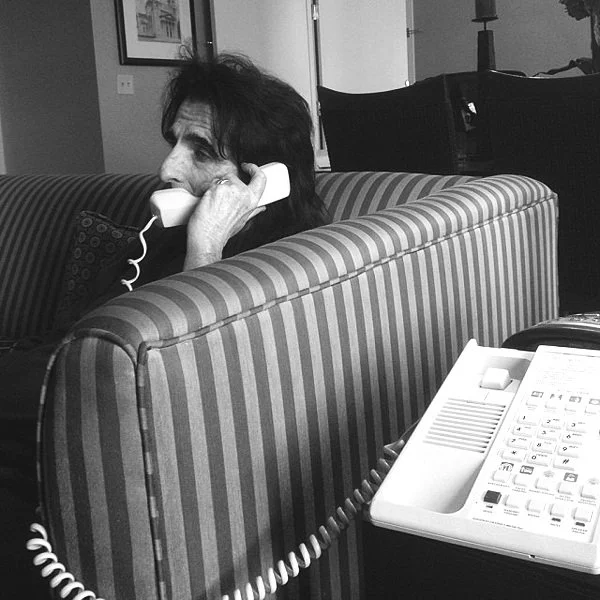
NU SHOOZ Time Machine: Hangin' w/Alice Cooper
John runs into Alice Cooper at Atlantic Recording Studios in the 80s and learns a few production tricks in the process.
A while ago we asked the question, What would you like to see on our website?
The universal answer was (of course,) more stories about the ‘good old days.’ Some stories we’ve told over and over, like writing ‘Should I Say Yes’ in a full-blown [pun intended] tornado.
Is there anything left to say?
Valerie and I sat down and brainstormed, and came up with a pretty good list. We’ll take them in the order that they occurred to us. Here’s story #2.
Hangin’ With Alice Cooper 1986

NYC
Paradise Garage 1980s.

Valerie and Rick, our manager, flew to D.C. to do some ‘Track Dates.’
A track date is where the singer appears at a dance club (like Larry Levan’s famous Paradise Garage above) to sing their hit over a backing track, usually around two or three in the morning.
We needed money to keep our nine-piece band alive, and Valerie could make more money doing one track date than the band could make in a week.
They left me in New York to mix some demo tapes. We had time booked at the legendary Atlantic Studios on 58th and 8th. Everybody recorded there back in the Golden Age; Ray Charles, Ruth Brown, Sinatra, Count Basie. You name it.
I didn’t really know what I was doing there. We had a stack of two-inch reels. We put them up, and a couple apathetic engineers fooled with them. I fell asleep on the couch, then got up and took a look around.

Arif Mardin (center) w/Dizzy Gillespie and Chaka Khan
Down the hall, I ran into Arif Mardin, one of my producer heroes. He produced my favorite Chaka Khan album, What You Gonna Do For Me. But he also wrote up the horns for that first blast of Aretha Franklin singles, Respect, Think, and Chain of Fools.
And he knew about Nu Shooz!
“Nice horn charts,” he said.
I think I died and went to Heaven.

The second day, I come up the stairs and sitting at the receptionist’s desk is Alice Cooper. He’s manning the phones. Mr. Cooper sticks out his hand and says, “Vince.”
We order a couple of hamburgers.
While we’re eating he talks about how much he loves golf. His accent is distinctly mid-western, though later he owned a sports bar in Phoenix.
He was making a new album in the studio next to where I was (supposed to be) working. I was welcomed in to watch his sessions. Learned a whole lot. He had some beefy weight-lifter dude overdubbing guitars on a B.C. Rich. Machine tracks, live guitar. The coolest part was that they put the live drummer on last. That’s when the whole record came alive. I took that lesson with me when I left New York.
What a great down-home guy was Vincent Damon Furnier.
Never saw him bite the head off a bat. He said he doesn’t really go in for that kind of thing.
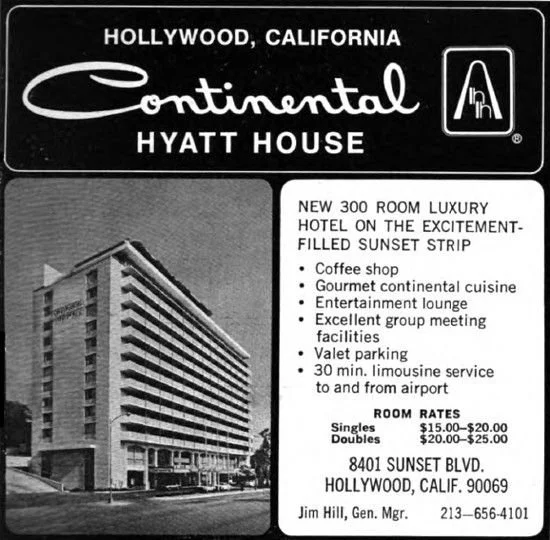
NU SHOOZ Time Machine: The Riot On Sunset
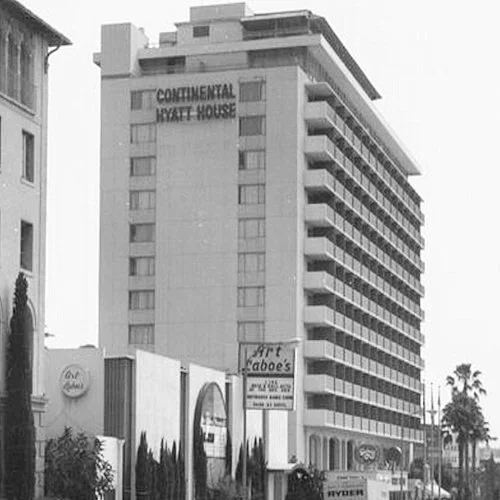
It’s our NU series, NU SHOOZ Time Machine! In this episode, it’s 1986 as we travel back in time to “The Riot On Sunset” in Hollywood, CA — also known as The Continental Hyatt House. We’re not in Kansas anymore, Toto.

A while ago we asked the question, What would you like to see on our website?
The universal answer was (of course,) more stories about the ‘good old days.’ Some stories we’ve told over and over, like writing ‘Should I Say Yes’ in a full-blown [pun intended] tornado.
Is there anything left to say?
Valerie and I sat down and brainstormed, and came up with a pretty good list. We’ll take them in the order that they occurred to us.

The Riot On Sunset
NU SHOOZ TIME MACHINE TALES #1
Down on Sunset Blvd in L.A., not far from Ben Franks and the Chateau Montmartre, is the Continental Hyatt Hotel. For whatever reason, it’s a destination for the touring acts working their way up and down the West Coast. We stayed there many times, during demo recordings for Warner Bros, and making the ‘Poolside’ album for Atlantic.
The place earned its nickname, the ‘Riot on Sunset.’
This was not the place to stay for a nice quiet vacation. In spite of the signs in the hallway, the party went on all night, punctuated by car alarms going off in the parking lot at random intervals.
If you want to get the feel of it, it’s featured in the movie Almost Famous.

Sly Stone
We were having breakfast with a record company guy in the downstairs restaurant when Sly Stone wandered in, full-on into his Lost Decade, looking a little worse for wear.
He says to the waitress, “Gimme a sandwich.”
“Mr. Stone,” the waitress says, “You’re really supposed to be wearing shoes in here.”
“Gimme a sandwich.”
We’re not in Kansas anymore, Toto. Welcome to Hollywood.
After breakfast, we’re passing through the lobby and we see a black-clad punk rocker talking into a payphone. It’s 1986. People still used payphones.
After breakfast, we’re passing through the lobby and we see a black-clad punk rocker talking into a payphone. It’s 1986. People still used payphones.
We hear him say, “I just got the name of the band tattooed on my arm!”
Valerie and I look at each other.
A permanent testament to band loyalty?
In a business where a career lasts about as long as a tsetse fly?
He's just sealed his fate!
“He’s out-a there.”
“He’s fired!”

Ladysmith Black Mambazo
We make our way to the elevator, press the button to go up.
Ding!
The double doors whoosh open, and there’s Ladysmith Black Mambazo, the South African group featured on Paul Simon’s Graceland album. There’s like twelve or fifteen people, crowded into this elevator. Somehow we squeeze in there too. Ride up to the third floor.
As we’re getting off, Joseph Shabalala says in his mellifluous Xosa accented English,
“Good Luck.”
So, next morning, I’m standing out in front of the ‘Riot House,’ dressed in white bib overalls, digging the L.A. air, when a tourist family approaches me; Mom, Dad, Teenage daughter.
“Excuse me,” the Dad says. “Are you Eddie Van Halen?”
I look down at my sneakers.
“Well…um…yeah.”
“Can we get a picture?
“Sure.”

John Smith 1986 (The suit was pink!)
Find our latest newsletter below!
Search The Blog….

![Welcome to your summer. Yes, it's finally here! And it's the 46th anniversary of the very first NuShooz gig. [Colonel Summer's Park, Portland, Oregon, June 21st, 1979.] What a different world that was; pre-internet, no smartphones or smart toasters,](https://images.squarespace-cdn.com/content/v1/54cee645e4b01fa0f0bfc5f9/1772327896063-IIMMIJOZCTP00HOVTU9D/image-asset.jpeg)