
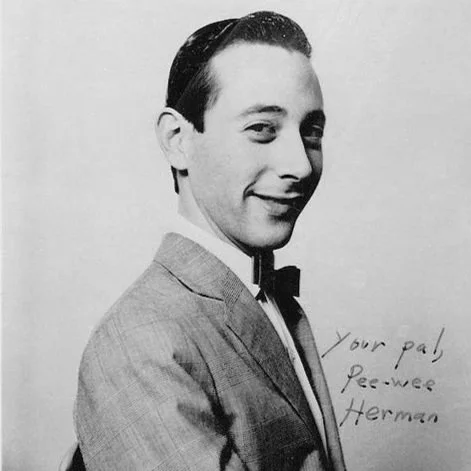
Meeting Paul Reubens
John recounts a chance encounter with Paul Reubens, better known as Pee-Wee Herman. Smith takes us back to the '87 Grammy Awards after-party where he met Reubens when he made eye contact with the man smoking next to him. Sadly, Paul Reubens passed away today at the age of 70.

It was at one of the after-parties for the ’87 Grammy Awards. We were up for Best New Artist that year but had just lost to Bruce Hornsby. (It’s okay, we knew he was going to win, and it was a thrill just to be nominated.) The after-party was in this tiny club in Hollywood. I remember the members of Quiet Riot were there.

Anyway, I was having a smoke outside the front door and happened to make eye contact with this guy standing next to me. He smiled, stuck out his hand, and said, “Paul Reubens.”
It took half a millisecond to connect the name and the person. We made small talk. I forget what we talked about; definitely not Show Biz. While we were talking, some photographers approached.
“Hey…Pee-Wee Herman! We’re from People Magazine. Mind if we get a couple shots?”
“Sorry,” He said. “I’d rather not. I’m not in makeup.”
The photographers were respectful and left him alone. Those were simpler times.
“Nice to meet you,” I said and let him finish his cigarette in peace.
We all know his achievements, how he lit up the T.V. screen in the 1980s with PEE-WEE’S PLAYHOUSE and three feature films with the titular character. Reubens spent five years developing Pee-Wee while a member of an L.A. theater group, The Groundlings. He also appeared in films like The Blues Brothers and Batman Returns.
It was an honor to encounter this great man, just hanging out, being a regular guy. Pee-Wee Herman was a character he played. Paul Reubens was a real person.
He will be missed.

R.I.P. Tina Turner
We were deeply saddened to hear of the passing of Tina Turner. As a band, we played a couple of shows with her in the early 1980s and witnessed her incredible stage presence and powerhouse voice firsthand. Despite her smaller stature offstage, she commanded the stage like no other. Here are a few memories of our time with her. Rest in peace, Tina.

We need to mark the passing of Tina Turner, born Anna Mae Bullock in 1939. A long-time resident of Zurich, Switzerland, she left us at the age of 83. Most people know her string of Mid-80s hits, ‘Private Dancer,’ ‘Simply the Best,’ etc. But Tina was a powerhouse all through the 1960s. (The first single I bought with her singing was ‘Nutbush City,’ in 1969.) The words ‘Icon’ and ‘Iconic’ are so overused. Here they apply…and more.
Tina Turner was a real person.
A giant onstage, in person, she was tiny.
Nu Shooz played two dates with her in the summer of 1982. She’d left Ike a few years before and was fighting her way back up the Show-biz ladder. The tour was called ‘Catch a Rising Star.’ She’d turned the Ike and Tina Revue into something more Rock, something lethal. Tina, fronting three long-legged girls, legs made even longer by the highest heels.
She was playing small venues.
The first night we opened for her at a hotel in Eugene, Oregon. She was playing every gig she could get. Her band was razor sharp.
This story has been told many times, so here’s the short version. Our sound man, David Grafe, liked to bring his daughter Heather along on parts of the tour. At the hotel in Eugene, I forget the name, a dispute arose between Tina’s people and the hotel management. People are running around setting up gear, plugging in wires, and there’s this argument going on. Tina approaches eight-year-old Heather and says, “We don’t need to be around for this. Let’s go find some ice cream.”
Now that’s the way I’ve been telling the story for forty-one years. It turns out I had it all wrong. They went out and bought CANDY. After everything this woman had been through, she was a most compassionate person, someone who saw an eight-year-old girl who could use a treat. Tina Turner embraced Nichiren Buddhism after she left Ike. She said it was a source of Inner Peace, but she loved her candy.
The next date was in Portland.
After the Eugene show, our band and Tina’s broke down all the gear, packed up, and headed an hour North. Both buses ended up at the same gas station in Lebanon, Oregon. Tina’s people jump out of the bus to get snacks. A window slides open. Someone sticks their head out and shouts, “Tina wants FIVE MILKY WAYS.”
The gig in Portland was at Starry Night, a way bigger venue. That was when we really got to see the show. She did a long monolog as the band brought ‘Proud Mary’ to a slow boil. We’d heard it the night before in Eugene. It was the same in Portland, word for word. Tina invested that speech with the same power night after night, like a great actor, like Olivier doing King Lear.
Her music director was a chubby little guy named Kenny, who played the heck out of the piano and could sing EXACTLY like Tina. In fact, he sang her parts while she and the girls were doing the shimmy shake out front. Of course! There’s no WAY you could stay in tune and dance like that. Backwards and forwards and in heels.
After the ‘Catch a Rising Star’ tour, Tina’s star did rise. Just four years later came her massive string of hits, her star turn in ‘Mad Max,’ her status as one of America’s great voices, The Queen of Rock and Roll. Her star continued to rise and rise…straight to the Milky Way.
NU SHOOZ TIME MACHINE: GOOD MORNING AMERICA
In the summer of 1986, Valerie and John were on top of the world with two singles in the Billboard Top 40. They even landed an interview on Good Morning America, but it didn't go quite as planned. However, what happened next was unexpected and involved a beloved children's author and a very tall man.

In the summer of 1986, we had two singles in the Billboard Top 40. Valerie and I were invited to be on Good Morning America. I’m sorry I don’t remember the name of the woman who interviewed us. It wasn’t a particularly good interview. You can always tell when the host knows absolutely nothing about you. They’re getting their questions off the one sheet that the record label sends out.
We did get to meet Charlie Rose. Well, we didn’t actually get to meet him. He just rushed by us in the hallway and said, “Charlie Rose.” Very tall guy.
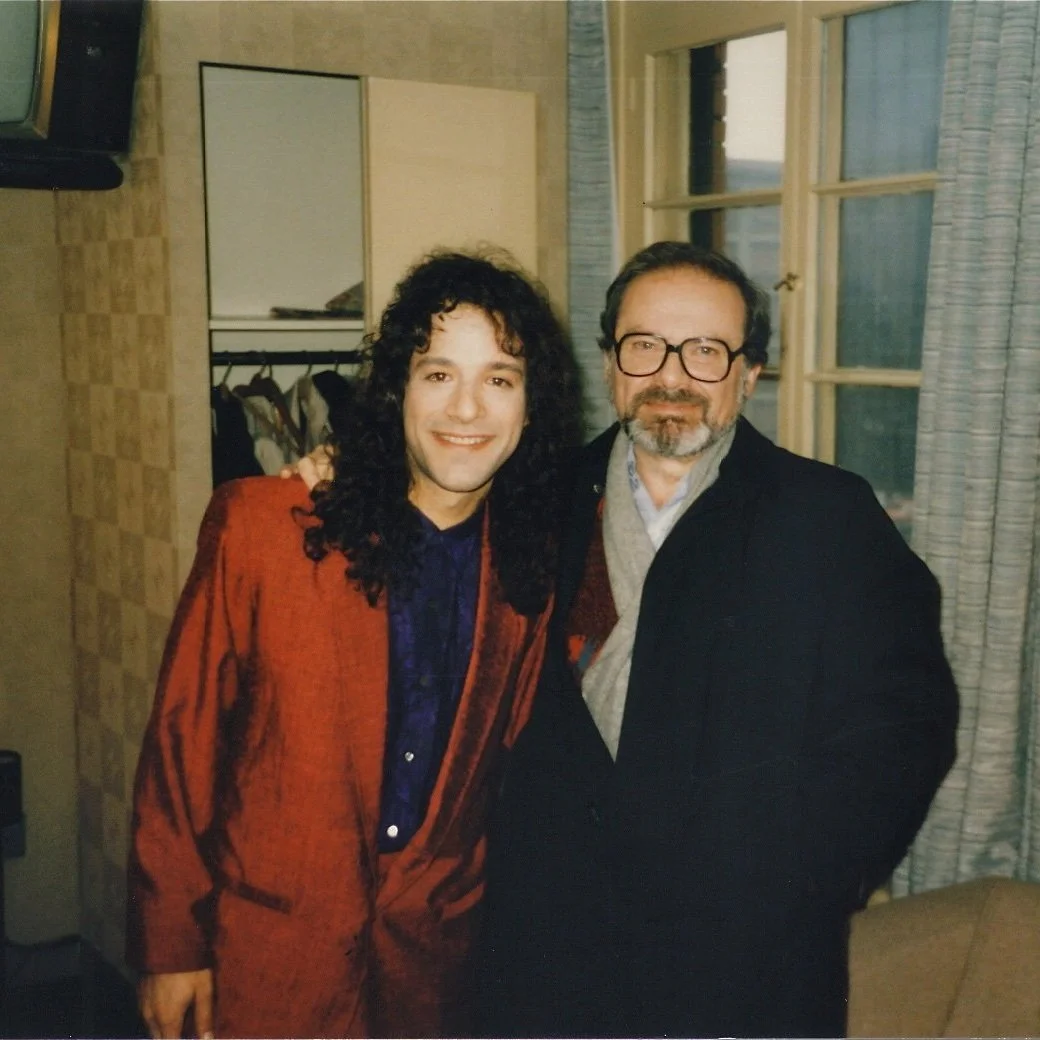
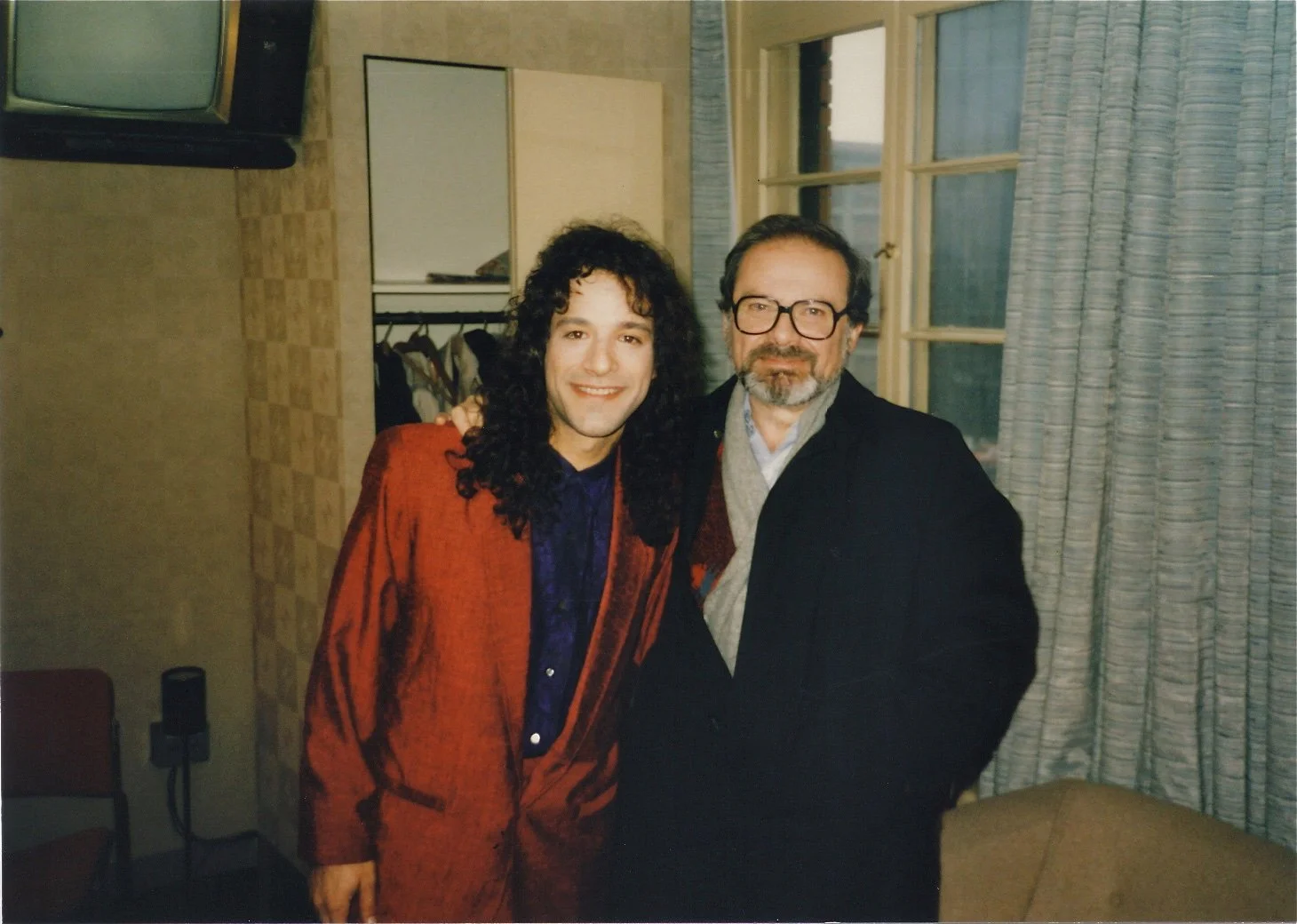
The best part was meeting Maurice Sendak, beloved author of Where the Wild Things Are and In the Night Kitchen. Nice man. I got my picture taken with him. He went on to win a couple of Tony Awards for set design.
John and Maurice Sendak, April 1986.
Our interview never aired, which was fine.
It was preempted by some crisis happening over in Europe.
NU SHOOZ TIME MACHINE: Recording at Prince's Paisley Park
It’s Nu Shooz Time Machine Story #3! This one takes us to Paisley Park to record our second album, Told U So. Will John fit into Prince’s fur coat? Continue reading to find out more!

A while ago we asked the question, What would you like to see on our website?
The universal answer was (of course,) more stories about the ‘good old days.’ Some stories we’ve told over and over, like writing ‘Should I Say Yes’ in a full-blown [pun intended] tornado.
Is there anything left to say?
Valerie and I sat down and brainstormed, and came up with a pretty good list. We’ll take them in the order that they occurred to us. Here’s story #3.

Paisley Park, MN
The most futuristic building in Eden Prairie, Minnesota is Paisley Park, the home studio of Prince Rogers Nelson. Home studio is a little misleading. It’s a sprawling complex with three world-class recording rooms, a kitchen, and a full wardrobe department where they ‘built’ all his wild clothes.
We were there working on our second Atlantic record, Told U So. The producer was David ‘Z’ Rivkin.
We had the whole place to ourself for two weeks.
Our manager, Rick, asked me, “If you could have any guest stars on the record, who would it be?”
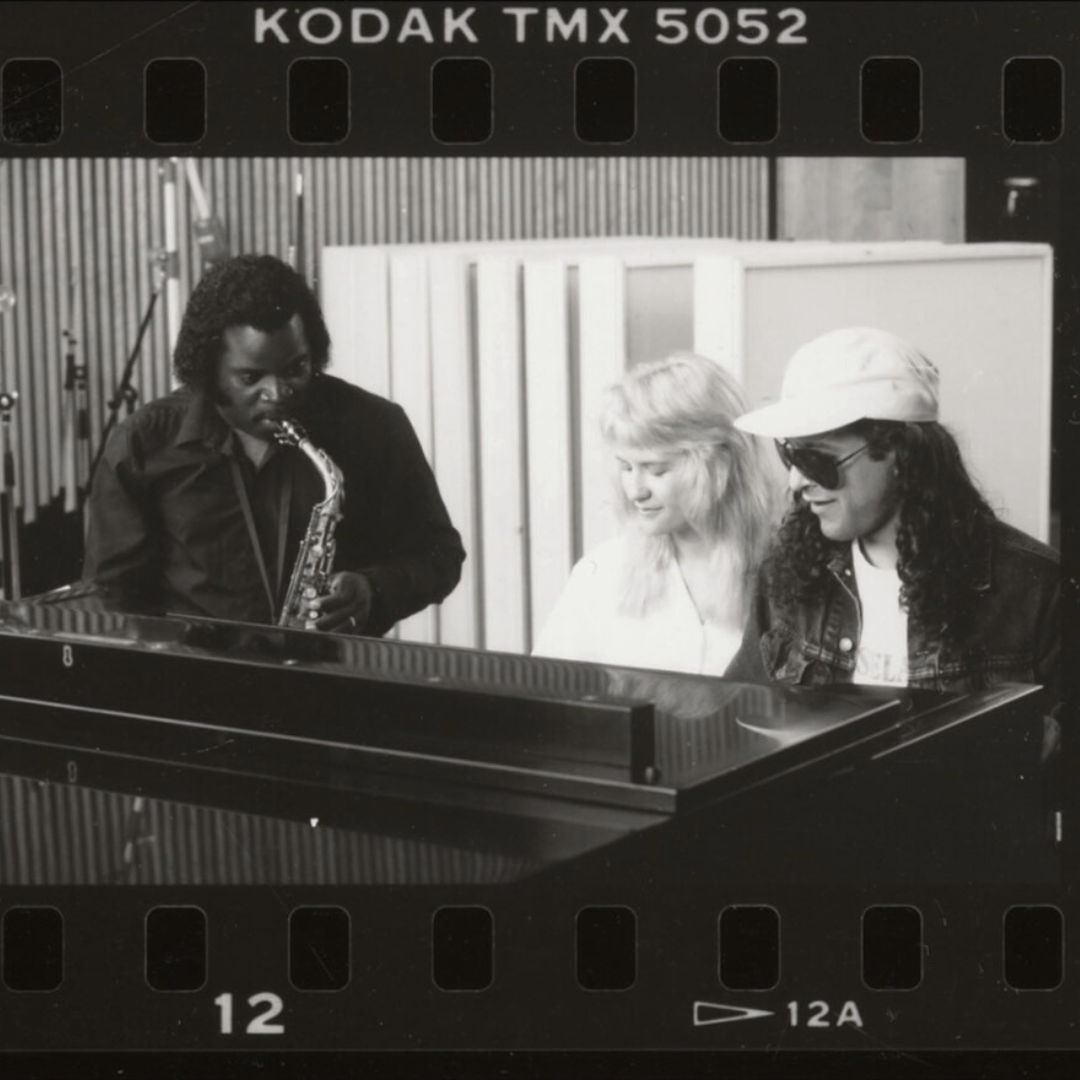
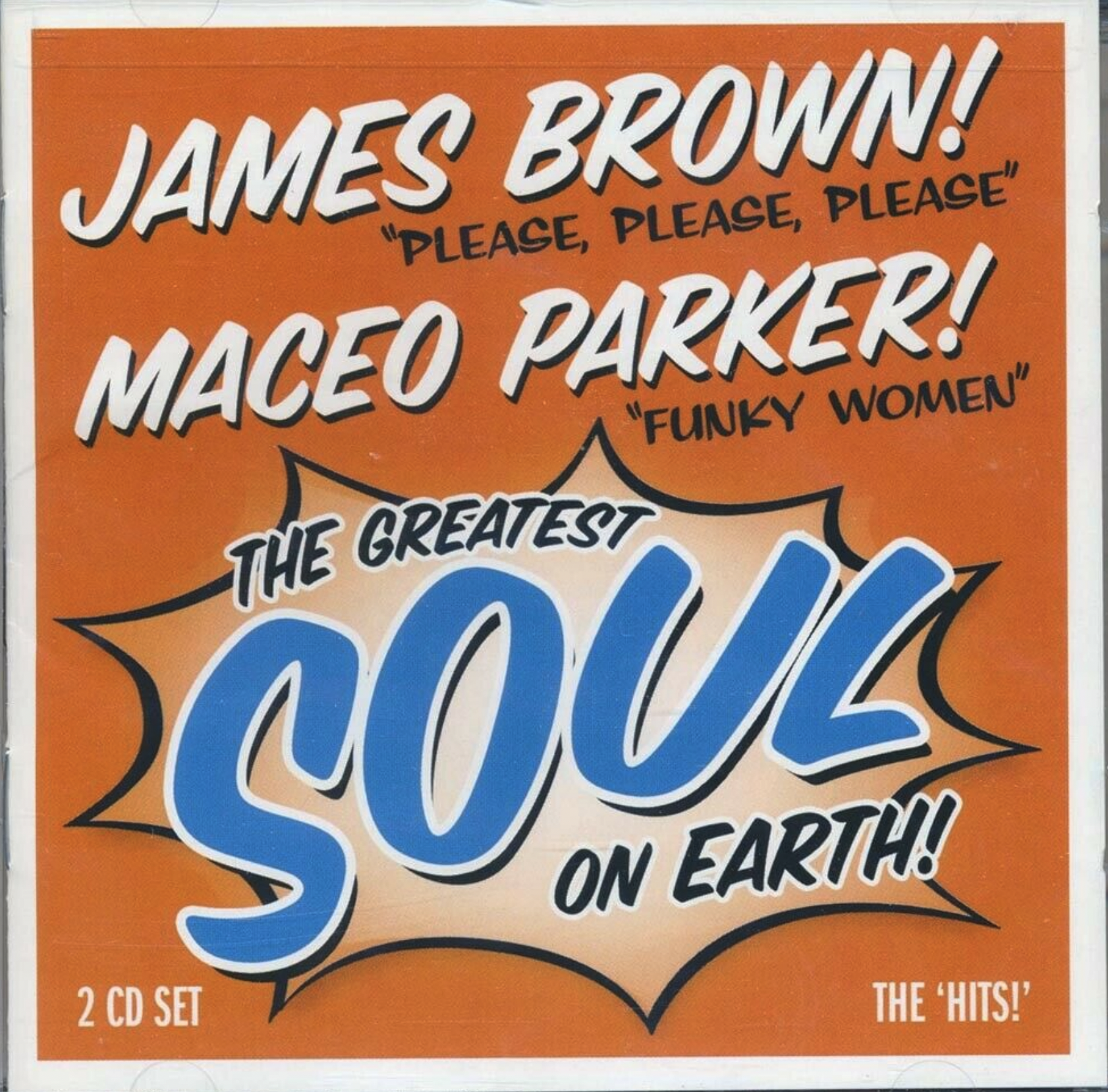
“Maceo Parker.”
Maceo was the alto saxophone player on all those late-60s James Brown records. He was one of my Soul Music heroes since I was eleven!
Rick found him somehow, and we flew him up to Minnesota. He played on our record for five hundred bucks. Said he could use the money ‘cause he had a half-dozen kids and lots of alimony payments.
James Brown used to name-check the kid
on his records.
That name-check made him famous.

David Z.
Maceo!
Blow your horn
Don’t want no trash
Play me some POPCORN
Maceo, C’MON!
When J.B. and the band got to Africa, the locals thought Maceo! was just a cool American thing to say, like hang ten or cowabunga!
So, I’m sitting behind the mixing board. Maceo starts playing on the title cut, and it sounds too…happy.
I look over at Rick. “This is Maceo Parker! How can I tell him what to play?”
“Go on,” Rick says. “You gotta do it.”
OK, so…
“Maceo…um…that’s a little too sweet. We’re looking for something a little more like…” I sing him his solo from Ain’t It Funky Now. [1969]
Bedop bedop vol-u-vop!
“Oh, ha HA!” He says. “You want that jagged stuff.”
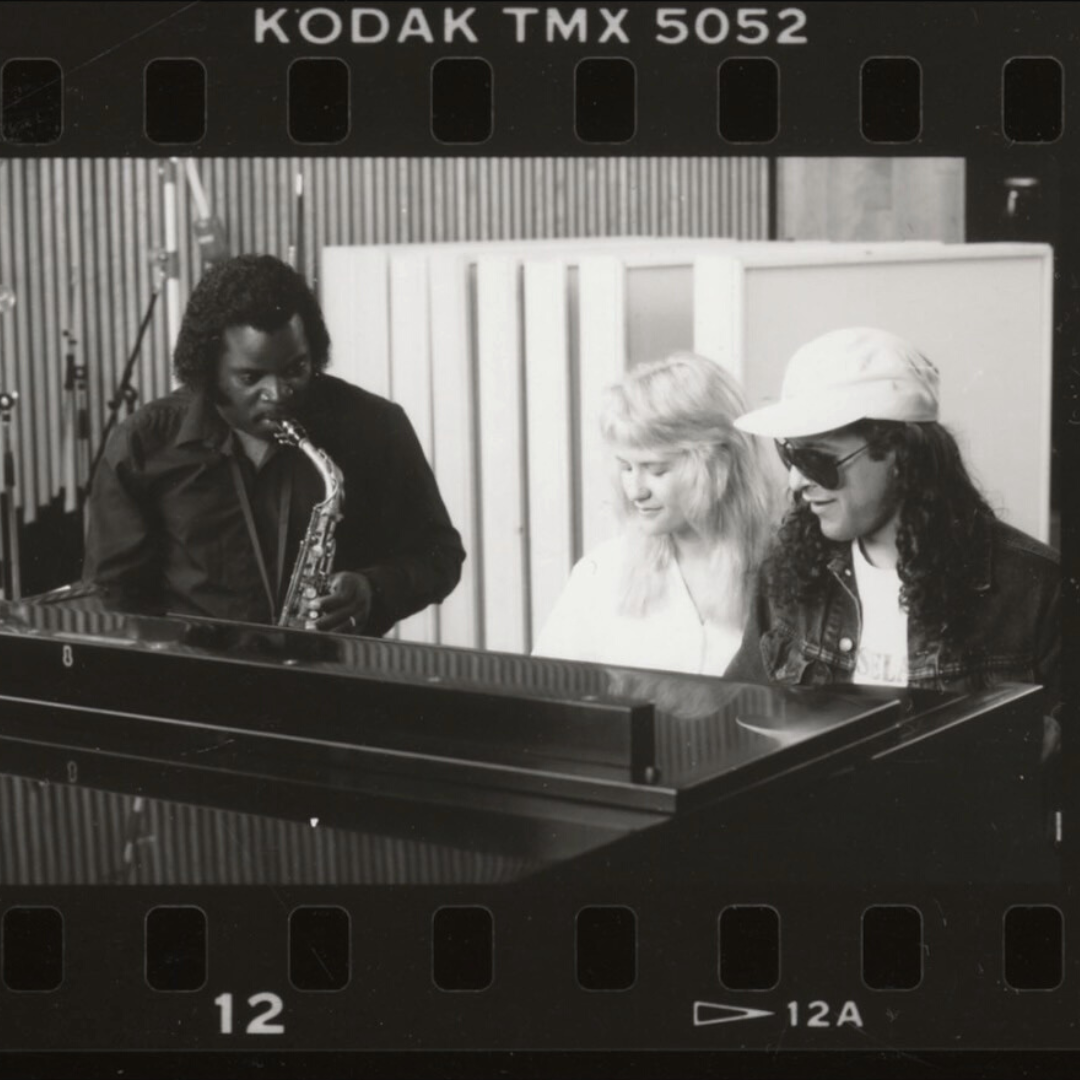
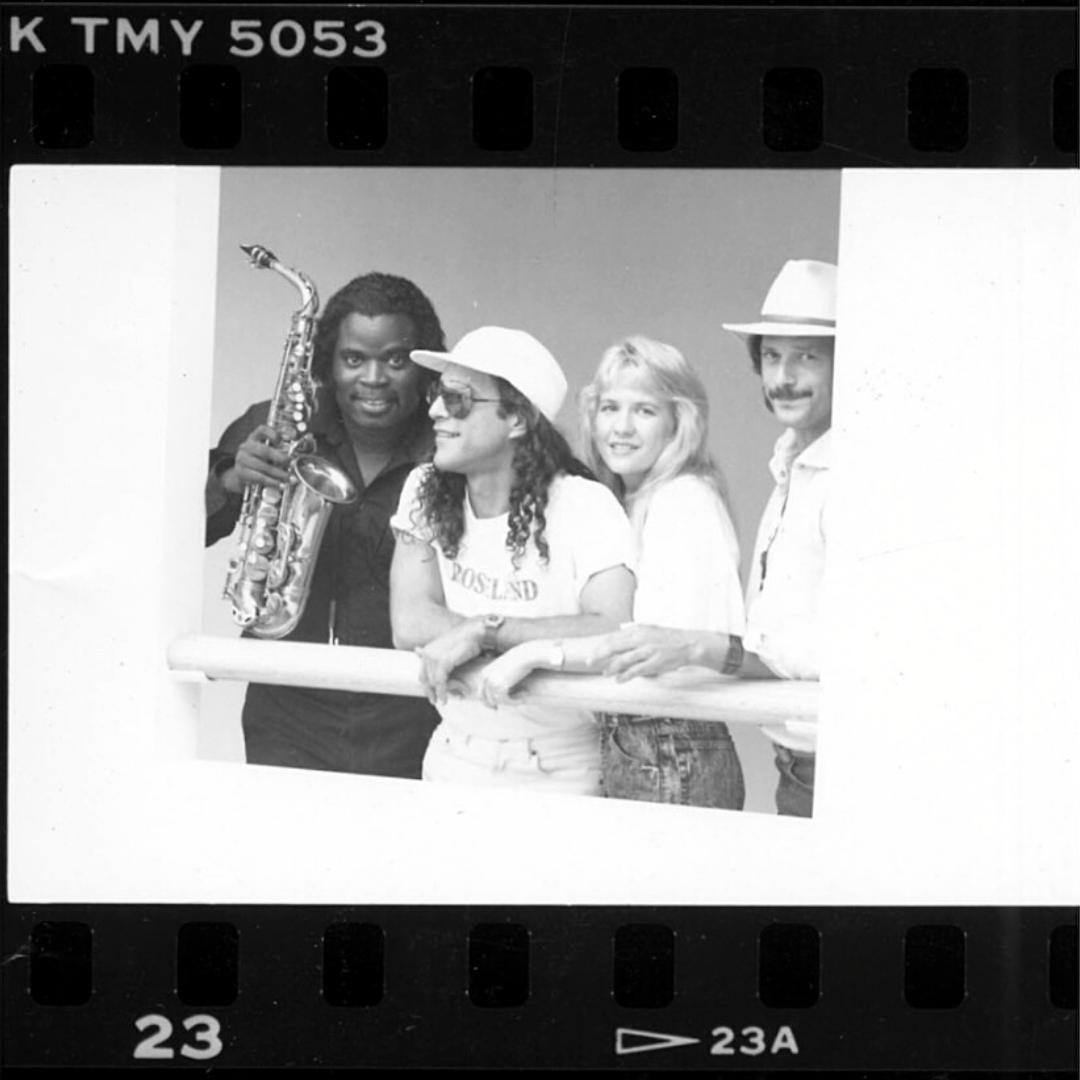
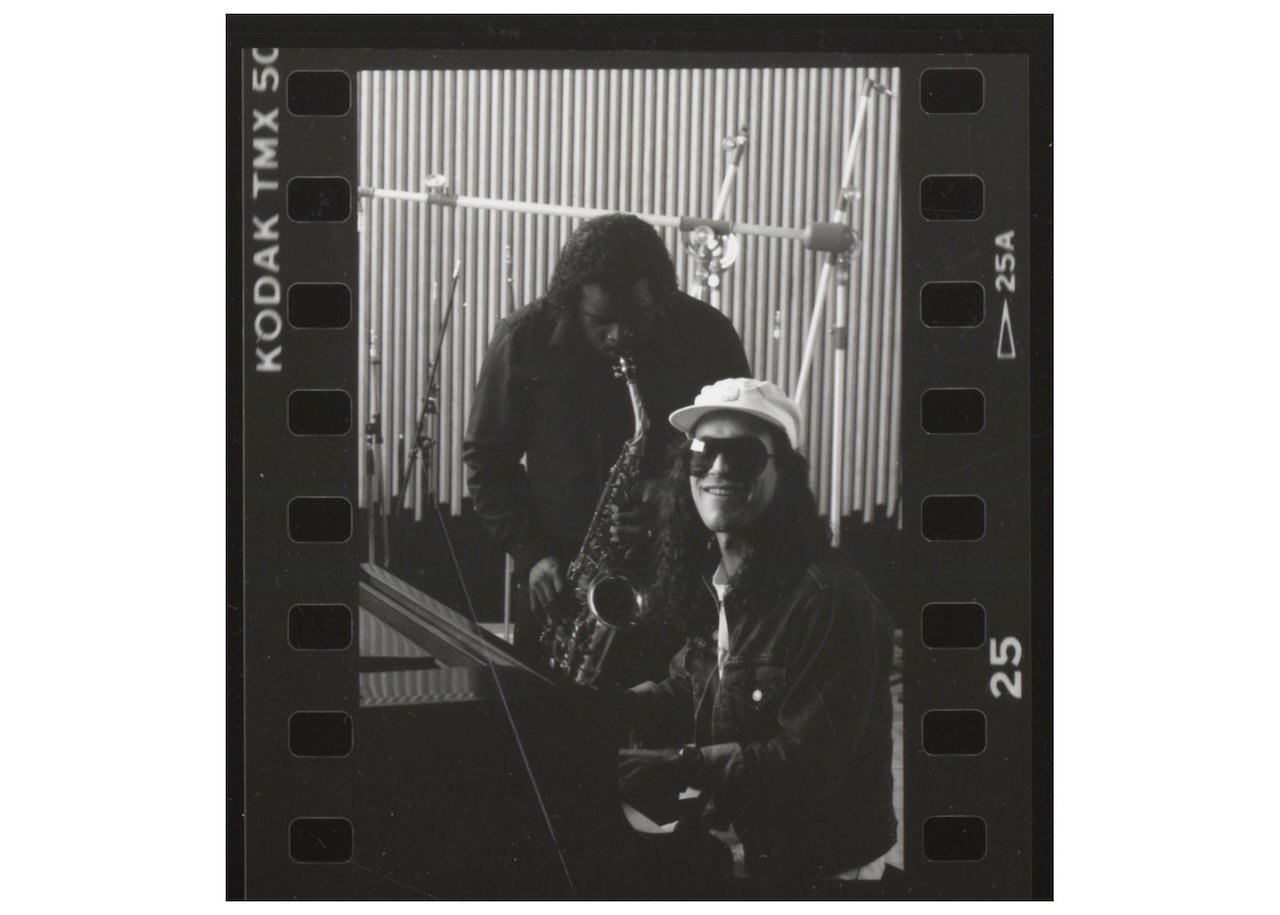
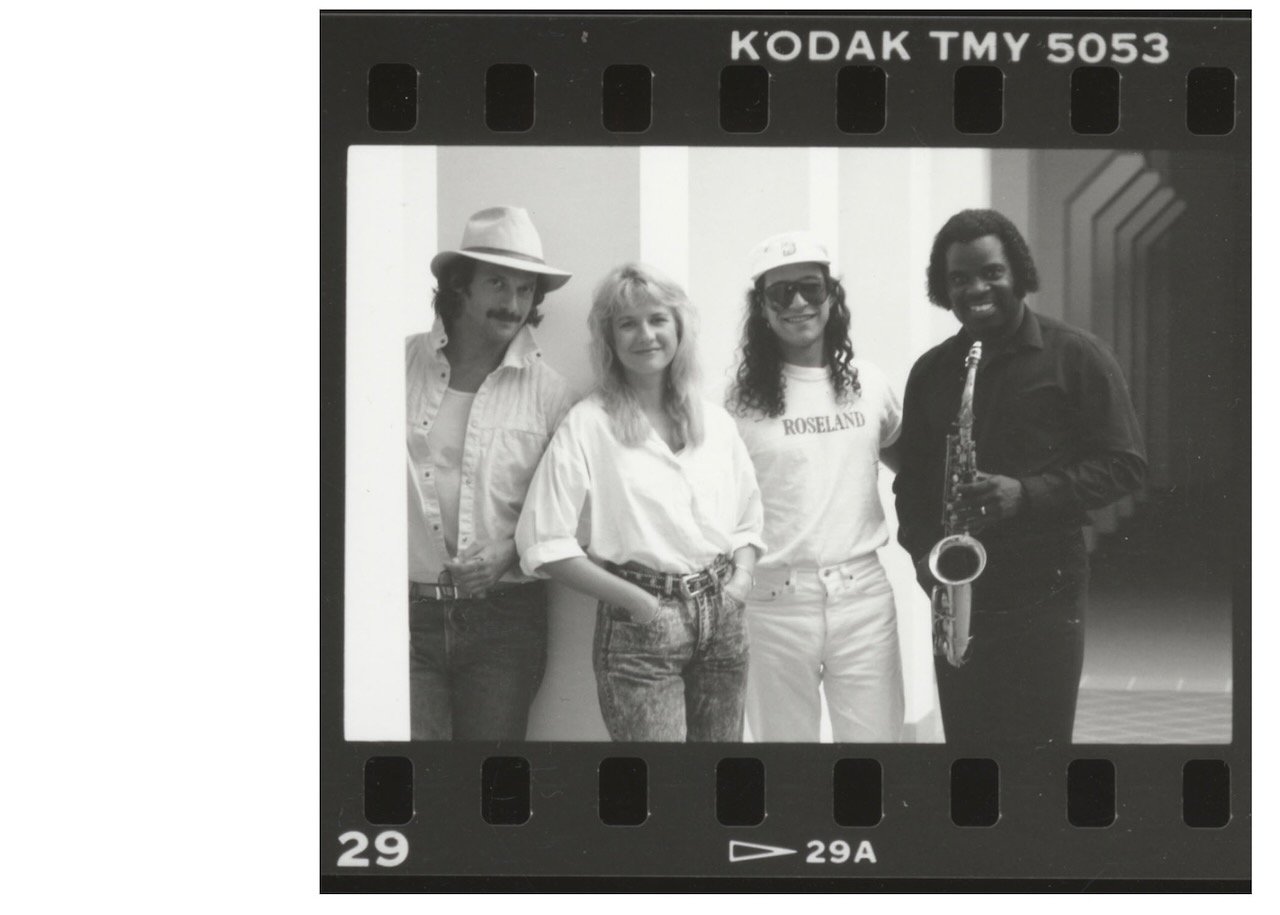
Prince’s saxophone guy, Eric Leeds, shows up. He’s a great modern funky bebop player; perfect for Prince’s band. Plays mostly Bari. I tell him he’s one of my favorite horn players. He looks at me like dirt under his fingernails and says nothing.
Parker and Leeds are sitting in the corner. Maceo’s taking swigs off a bottle of blue mouthwash he carries around with him. He doesn’t drink, and he declines our invitation to dinner.
During the mixing, which was Rick’s job and bored me to death, I got to roam the studio. One room was full of every keyboard in the world. Another room was packed floor-to-ceiling with tapes. There was a guitar case in the hallway with a label that said, #3 PEACH.
I sat on the floor and took it out of the case. It was one of those wild Prince guitars, with the long protruding slightly suggestive upper horn.
The neck was skinny.
The action was tight.

John L. Nelson
Around this time, Prince’s father strolls in.
He’s a little old bald man in a purple suit, about the same height as ‘The Artist’ himself. He asks the receptionist for a few posters, “for his girlfriends.”
Prince was having a little pop-up concert at a club near the studio. David Z got us in. We got right up front. The band didn’t go on till two or three. Sheila Escovedo, (Sheila E) was the drummer. Damn, she was good! In musician speak, they dug a deep trench! We stood five feet from the man himself. They played non-stop for two and a half hours!

Sheila E.
Back at the studio the next day, I had more time to explore. Made my way up to the second floor, where the wardrobe department was. There were a dozen sewing machines at individual stations, like a factory.
In the corner, there were all these clothes. Famous clothes! There was the fur coat and wide-brimmed hat from the MTV Video for I-forget-what-song.
So, I’m there in the wardrobe room at Paisley Park.
Trying on Prince’s clothes.
They were so tiny.
Like clothes tailored for Tinkerbell,
Or Peter Pan.

Prince in the coat.
NU SHOOZ Time Machine: Hangin' w/Alice Cooper
John runs into Alice Cooper at Atlantic Recording Studios in the 80s and learns a few production tricks in the process.

A while ago we asked the question, What would you like to see on our website?
The universal answer was (of course,) more stories about the ‘good old days.’ Some stories we’ve told over and over, like writing ‘Should I Say Yes’ in a full-blown [pun intended] tornado.
Is there anything left to say?
Valerie and I sat down and brainstormed, and came up with a pretty good list. We’ll take them in the order that they occurred to us. Here’s story #2.
Hangin’ With Alice Cooper 1986

NYC
Paradise Garage 1980s.

Valerie and Rick, our manager, flew to D.C. to do some ‘Track Dates.’
A track date is where the singer appears at a dance club (like Larry Levan’s famous Paradise Garage above) to sing their hit over a backing track, usually around two or three in the morning.
We needed money to keep our nine-piece band alive, and Valerie could make more money doing one track date than the band could make in a week.
They left me in New York to mix some demo tapes. We had time booked at the legendary Atlantic Studios on 58th and 8th. Everybody recorded there back in the Golden Age; Ray Charles, Ruth Brown, Sinatra, Count Basie. You name it.
I didn’t really know what I was doing there. We had a stack of two-inch reels. We put them up, and a couple apathetic engineers fooled with them. I fell asleep on the couch, then got up and took a look around.

Arif Mardin (center) w/Dizzy Gillespie and Chaka Khan
Down the hall, I ran into Arif Mardin, one of my producer heroes. He produced my favorite Chaka Khan album, What You Gonna Do For Me. But he also wrote up the horns for that first blast of Aretha Franklin singles, Respect, Think, and Chain of Fools.
And he knew about Nu Shooz!
“Nice horn charts,” he said.
I think I died and went to Heaven.

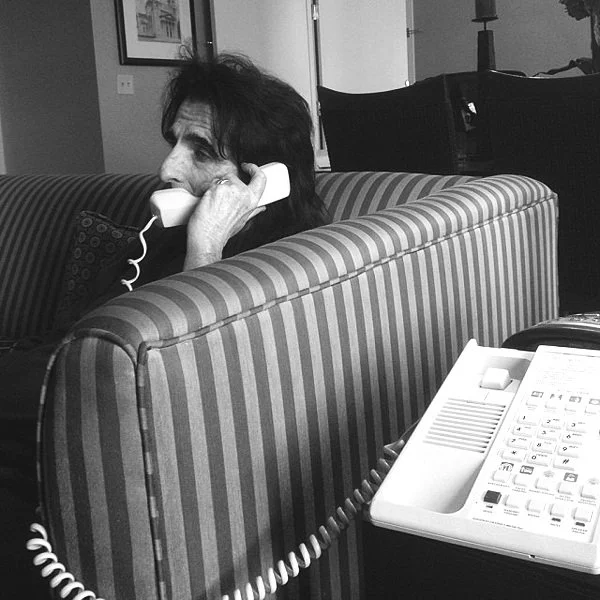
The second day, I come up the stairs and sitting at the receptionist’s desk is Alice Cooper. He’s manning the phones. Mr. Cooper sticks out his hand and says, “Vince.”
We order a couple of hamburgers.
While we’re eating he talks about how much he loves golf. His accent is distinctly mid-western, though later he owned a sports bar in Phoenix.
He was making a new album in the studio next to where I was (supposed to be) working. I was welcomed in to watch his sessions. Learned a whole lot. He had some beefy weight-lifter dude overdubbing guitars on a B.C. Rich. Machine tracks, live guitar. The coolest part was that they put the live drummer on last. That’s when the whole record came alive. I took that lesson with me when I left New York.
What a great down-home guy was Vincent Damon Furnier.
Never saw him bite the head off a bat. He said he doesn’t really go in for that kind of thing.
NU SHOOZ Time Machine: The Riot On Sunset
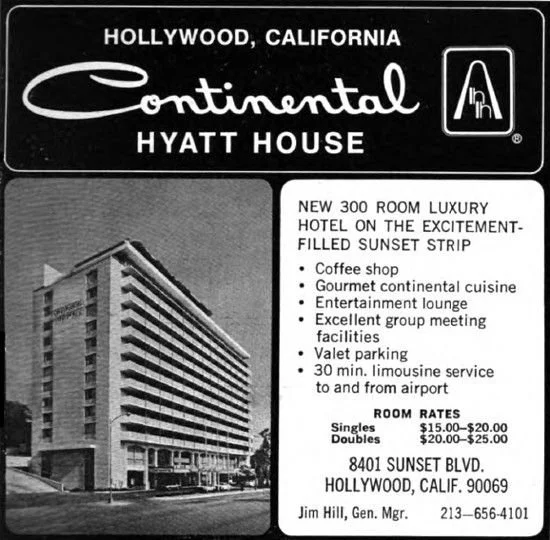
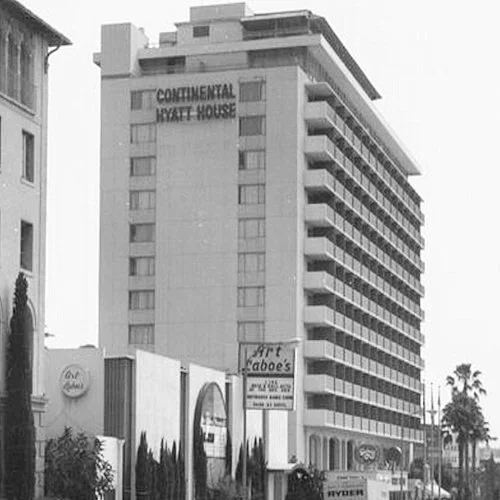
It’s our NU series, NU SHOOZ Time Machine! In this episode, it’s 1986 as we travel back in time to “The Riot On Sunset” in Hollywood, CA — also known as The Continental Hyatt House. We’re not in Kansas anymore, Toto.

A while ago we asked the question, What would you like to see on our website?
The universal answer was (of course,) more stories about the ‘good old days.’ Some stories we’ve told over and over, like writing ‘Should I Say Yes’ in a full-blown [pun intended] tornado.
Is there anything left to say?
Valerie and I sat down and brainstormed, and came up with a pretty good list. We’ll take them in the order that they occurred to us.

The Riot On Sunset
NU SHOOZ TIME MACHINE TALES #1
Down on Sunset Blvd in L.A., not far from Ben Franks and the Chateau Montmartre, is the Continental Hyatt Hotel. For whatever reason, it’s a destination for the touring acts working their way up and down the West Coast. We stayed there many times, during demo recordings for Warner Bros, and making the ‘Poolside’ album for Atlantic.
The place earned its nickname, the ‘Riot on Sunset.’
This was not the place to stay for a nice quiet vacation. In spite of the signs in the hallway, the party went on all night, punctuated by car alarms going off in the parking lot at random intervals.
If you want to get the feel of it, it’s featured in the movie Almost Famous.

Sly Stone
We were having breakfast with a record company guy in the downstairs restaurant when Sly Stone wandered in, full-on into his Lost Decade, looking a little worse for wear.
He says to the waitress, “Gimme a sandwich.”
“Mr. Stone,” the waitress says, “You’re really supposed to be wearing shoes in here.”
“Gimme a sandwich.”
We’re not in Kansas anymore, Toto. Welcome to Hollywood.
After breakfast, we’re passing through the lobby and we see a black-clad punk rocker talking into a payphone. It’s 1986. People still used payphones.
After breakfast, we’re passing through the lobby and we see a black-clad punk rocker talking into a payphone. It’s 1986. People still used payphones.
We hear him say, “I just got the name of the band tattooed on my arm!”
Valerie and I look at each other.
A permanent testament to band loyalty?
In a business where a career lasts about as long as a tsetse fly?
He's just sealed his fate!
“He’s out-a there.”
“He’s fired!”

Ladysmith Black Mambazo
We make our way to the elevator, press the button to go up.
Ding!
The double doors whoosh open, and there’s Ladysmith Black Mambazo, the South African group featured on Paul Simon’s Graceland album. There’s like twelve or fifteen people, crowded into this elevator. Somehow we squeeze in there too. Ride up to the third floor.
As we’re getting off, Joseph Shabalala says in his mellifluous Xosa accented English,
“Good Luck.”
So, next morning, I’m standing out in front of the ‘Riot House,’ dressed in white bib overalls, digging the L.A. air, when a tourist family approaches me; Mom, Dad, Teenage daughter.
“Excuse me,” the Dad says. “Are you Eddie Van Halen?”
I look down at my sneakers.
“Well…um…yeah.”
“Can we get a picture?
“Sure.”

John Smith 1986 (The suit was pink!)
Maurice Sendak (1928-2012)
Maurice Sendak died this last Tuesday.
Of all the famous people we met during the NU SHOOZ years, he was the one I was most excited about. I have a picture taken with him in the green room at Good Morning America. Our appearance never aired due to some crisis in the World, but it didn’t matter. I got to meet the guy that wrote ‘Where the Wild Things Are.’ Maurice Sendak gave us a masterpiece that will live forever. Meeting him was the thrill of a lifetime. Martin Scorsese said the best art tells us about what it’s like to be human. ‘Where The Wild Things Are’ does that and more. We are all MAX. Thank you Maurice Sendak.
Go where the Wild Things go.
Find our latest newsletter below!
Search The Blog….


![Welcome to your summer. Yes, it's finally here! And it's the 46th anniversary of the very first NuShooz gig. [Colonel Summer's Park, Portland, Oregon, June 21st, 1979.] What a different world that was; pre-internet, no smartphones or smart toasters,](https://images.squarespace-cdn.com/content/v1/54cee645e4b01fa0f0bfc5f9/1772327896063-IIMMIJOZCTP00HOVTU9D/image-asset.jpeg)