John's Musical Journey: A Conversation on the Nothing Shocking Podcast
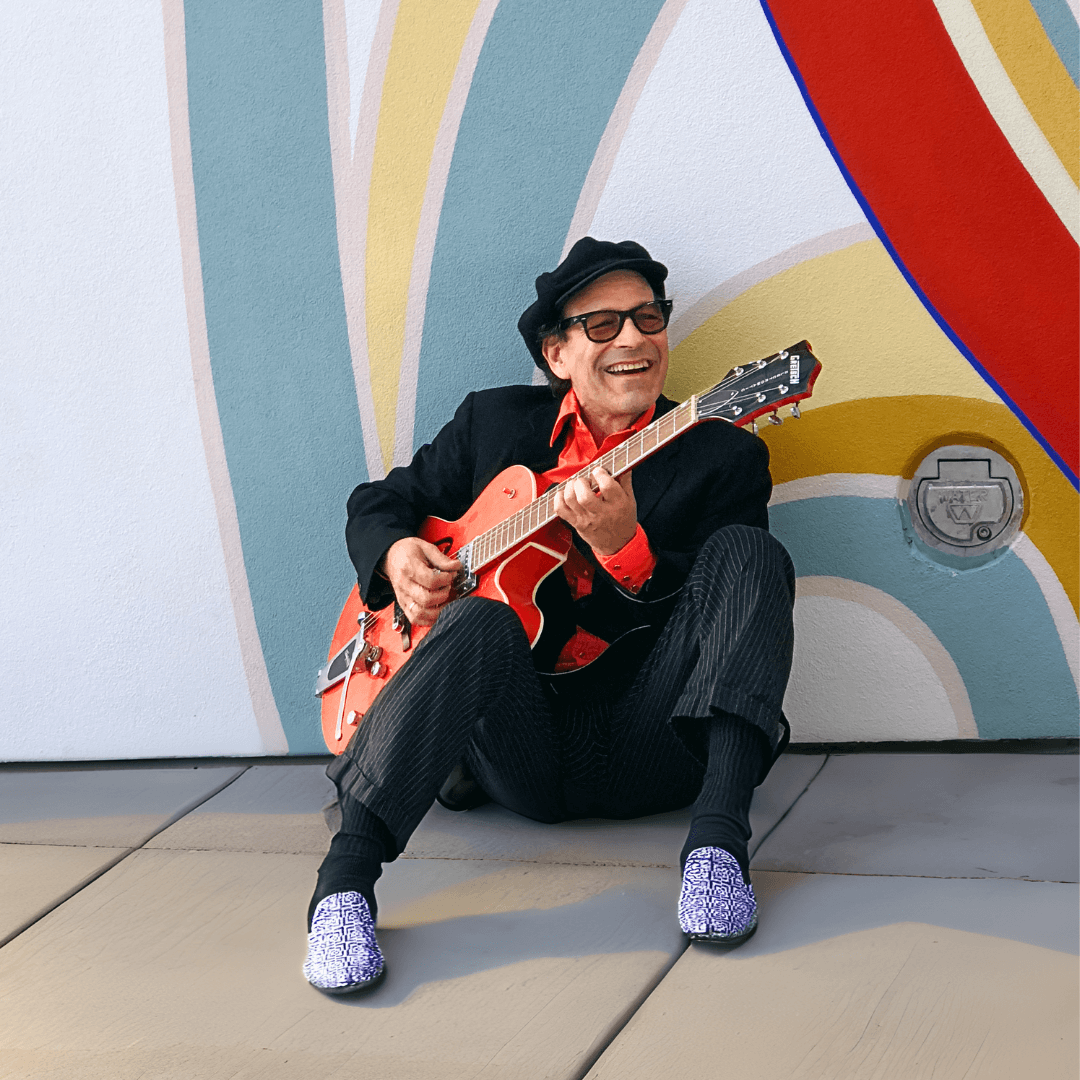
John just popped on the 'Nothing Shocking Podcast' with Eric and Geoff, a pair of rock n roll enthusiasts from Chicago. They cover everything from punk to metal and...well, they even caught the NuShooz wave! Our trip down memory lane wasn't just a blast, it shook up some fresh nu tales. Who knew nostalgia could be this entertaining?

John recently gave an interview for the Nothing Shocking Podcast, a show created by Eric Nesbitt and Geoff Untiedt. They describe themselves as "two regular guys from Chicago" who run a non-genre based rock n roll podcast. To that end, they cast a wide net into the vast music sea, covering everything from punk to metal to...well...NUSHOOZ!
They had a blast. Eric and Geoff asked some very interesting questions. Whenever we're asked to talk about the good old days, nu stories emerge. We hope you find them entertaining.
FAN QUESTIONS!
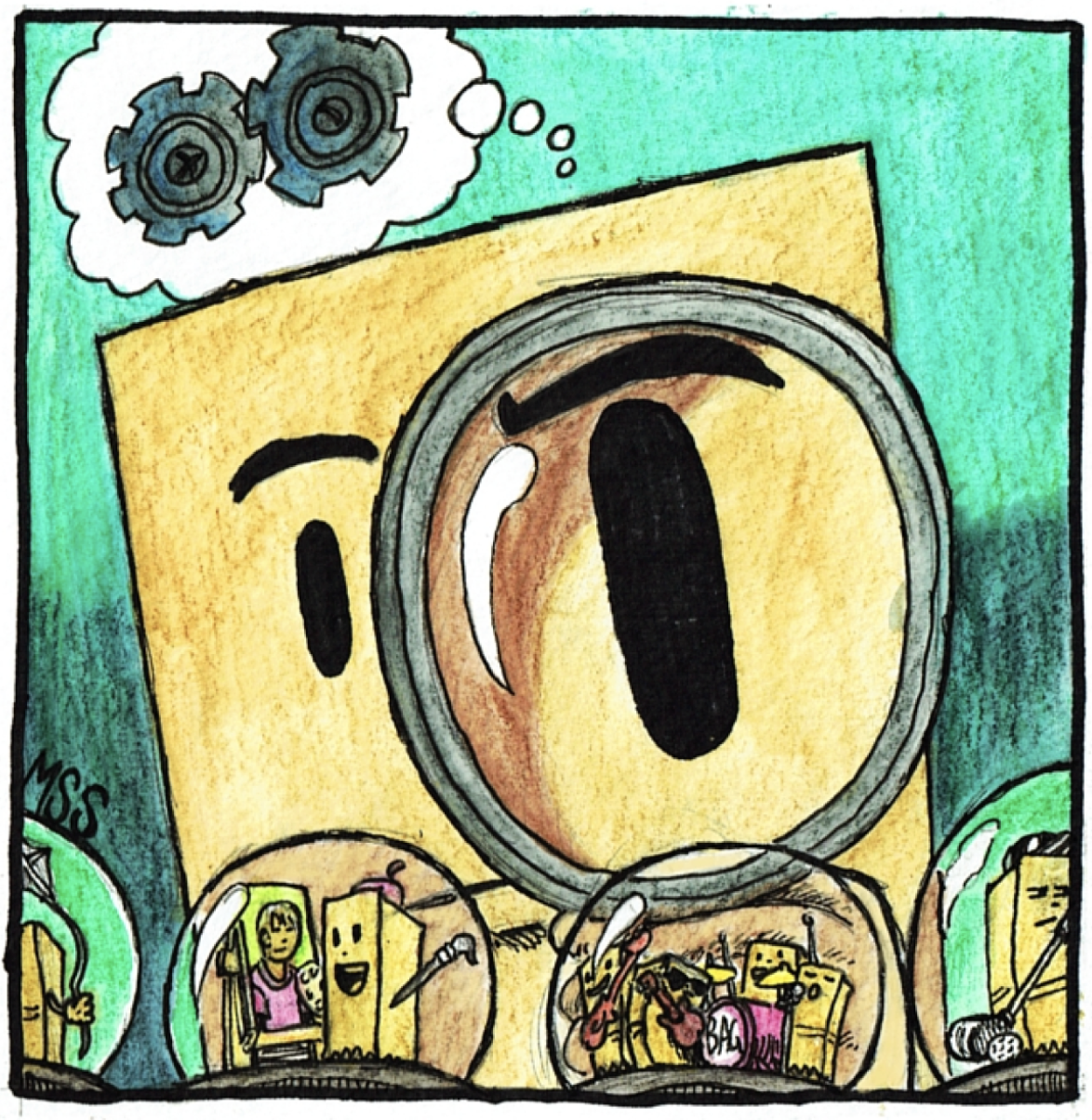
Greetings, music aficionados! John here. KJ, one of our fans, was curious about how I go about writing songs. I thought it was high time I shared my creative process with you all. From inspirations to the unique assembly line method I fondly call 'the Bone Pile,'’ I'll be revealing how the magic happens. Ready to take a tour of the songwriting landscape of Nu Shooz? Let's dive in!

Artwork by Malcolm Smith at Art Party Comics
KJ writes, “Tell Me A Lie” is one of my all-time favorite Nu Shooz songs, and I was wondering what your songwriting process is.
Hello KJ!
Well, first of all, thanks for that wonderful letter. 'Tell Me a Lie' was one of my absolute favorite songs off of "Bagtown." Another was 'The Color of Everything' from “Pandora’s Box.” That whole album was a departure from my normal writing style, which was to start with a bass line, a kick/snare pattern, some nice chords, and go from there.
On 'Pandora,' well... Martin Scorsese made a documentary about Bob Dylan called 'No Direction Home,' which I watched over and over in the studio. And that's when I finally realized what Lyrics could do. That they could be like impressionist paintings. At that point, I'd been writing songs for thirty years. So this time, I STARTED WITH THE LYRICS, just writing free of the music.
The first song that came out of that writing style was 'Spy vs Spy.' It was like a revelation. It opened up lyrics to new rhyming schemes and song forms. In the early days, it was so hard to keep four hours of material fresh. At the end of the night, there were always songs we were tired of but had to play to fill the time. So, I worked on songs in batches of ten and tried to finish two every week for Wednesday's rehearsal. I wrote some pretty flimsy stuff at times, but just good enough to fill the dance floor. (Some of those I'm still rewriting in my head.)
But how I did it was what we called the BONE PILE. The BONE PILE worked like this.
I would work on music and lyrics separately. I'd collect a bag of chord changes that I liked and SEPARATELY a bag of word fragments, mostly TITLES and hooks. Then, I'd try the hooks against the chord changes till I found ones that fit together. It was very much an assembly line process. 'The Real Thing' was a song that came together like that. The lyric fragment I started with in that song was "Whatever you want, whatever you need." And it expanded out from there. Musically, I knew I wanted to make a Gamble and Huff/ Philly Soul song like they might write for the OJays.
So, that might be more than you wanted to know, but that's how it was done.
We really appreciate it when people dig into our band and get beyond 'I Can't Wait.' There's a lot there. And we loved the bit about your bass player from Senegal. Our songs were well-liked in Africa, especially (for some reason) 'Should I say Yes.'
Gotta question for the Shooz? Just get in touch through our contact page and we’ll try to answer in a future newsletter!
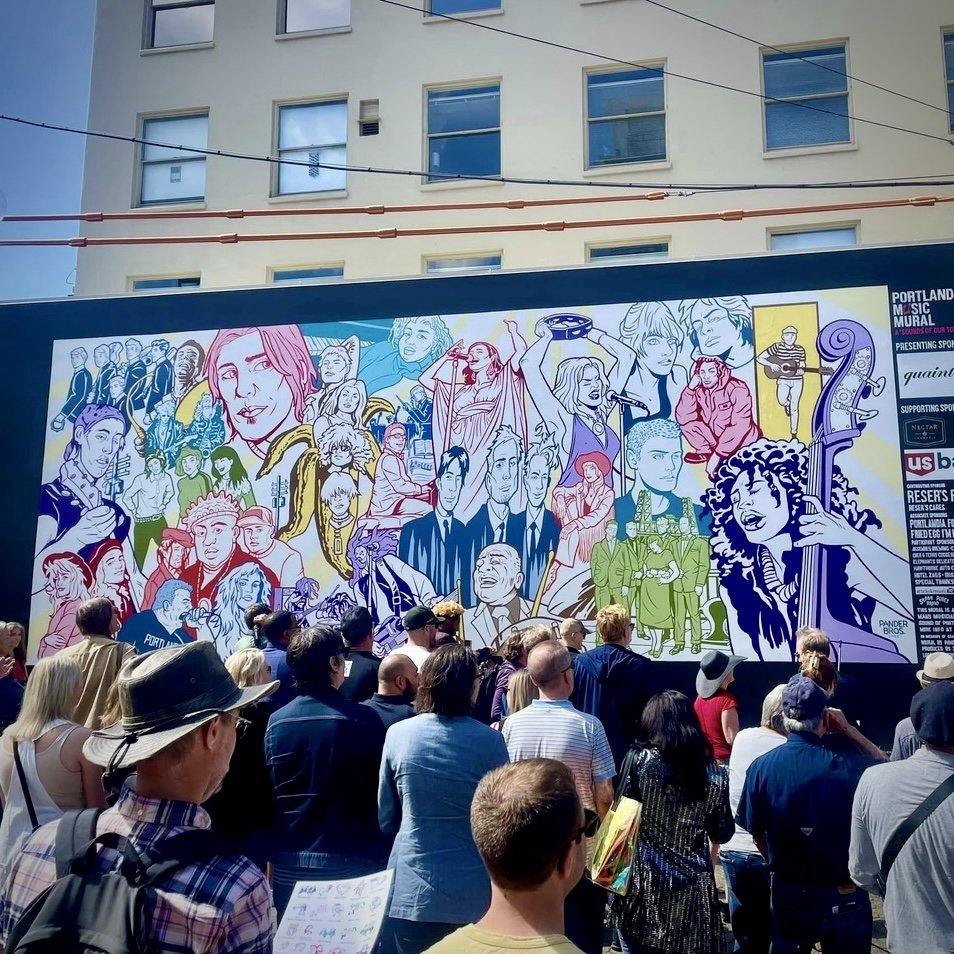
The Portland Music Mural Project
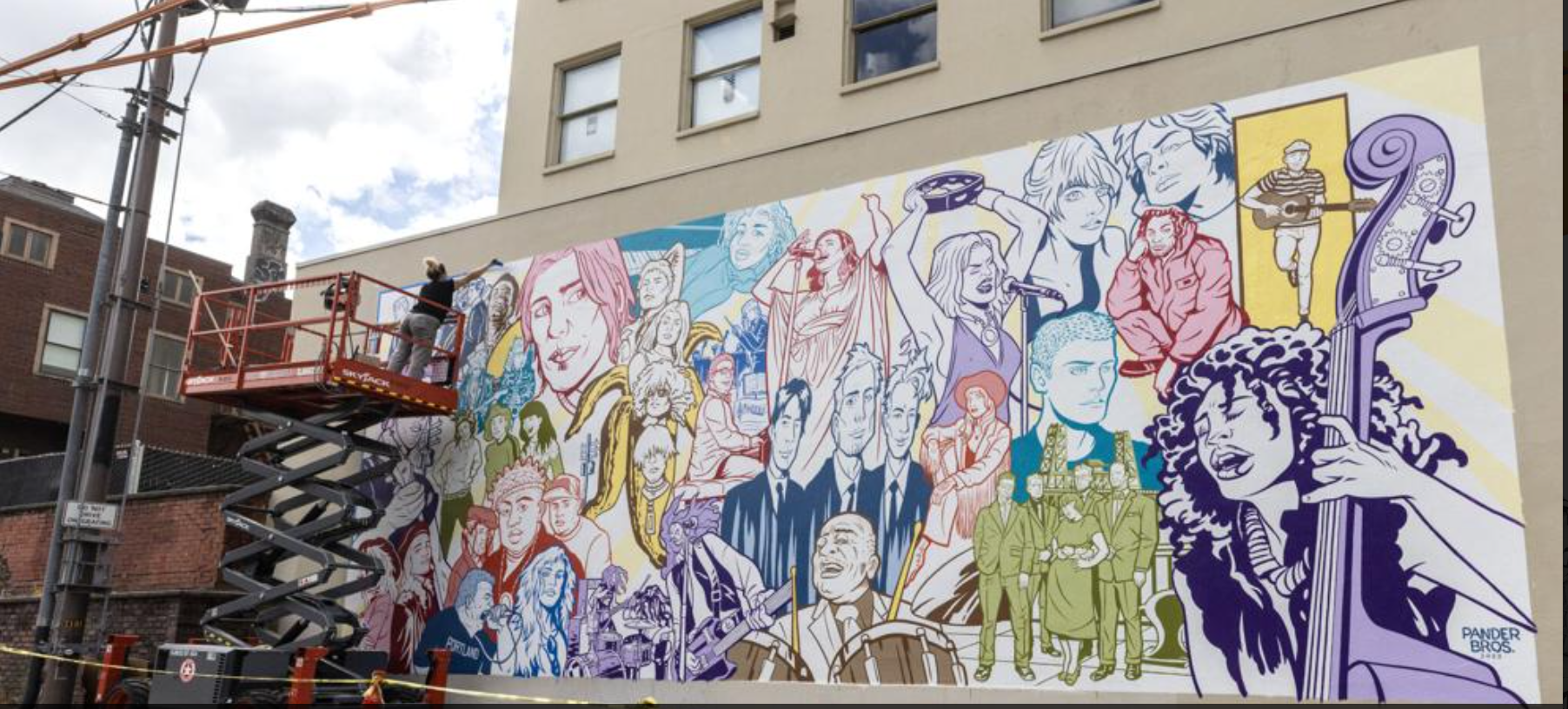
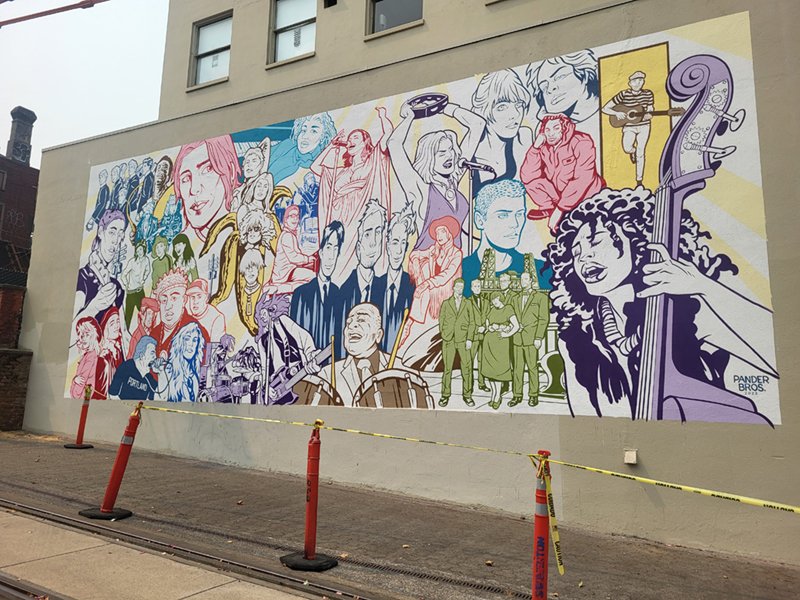
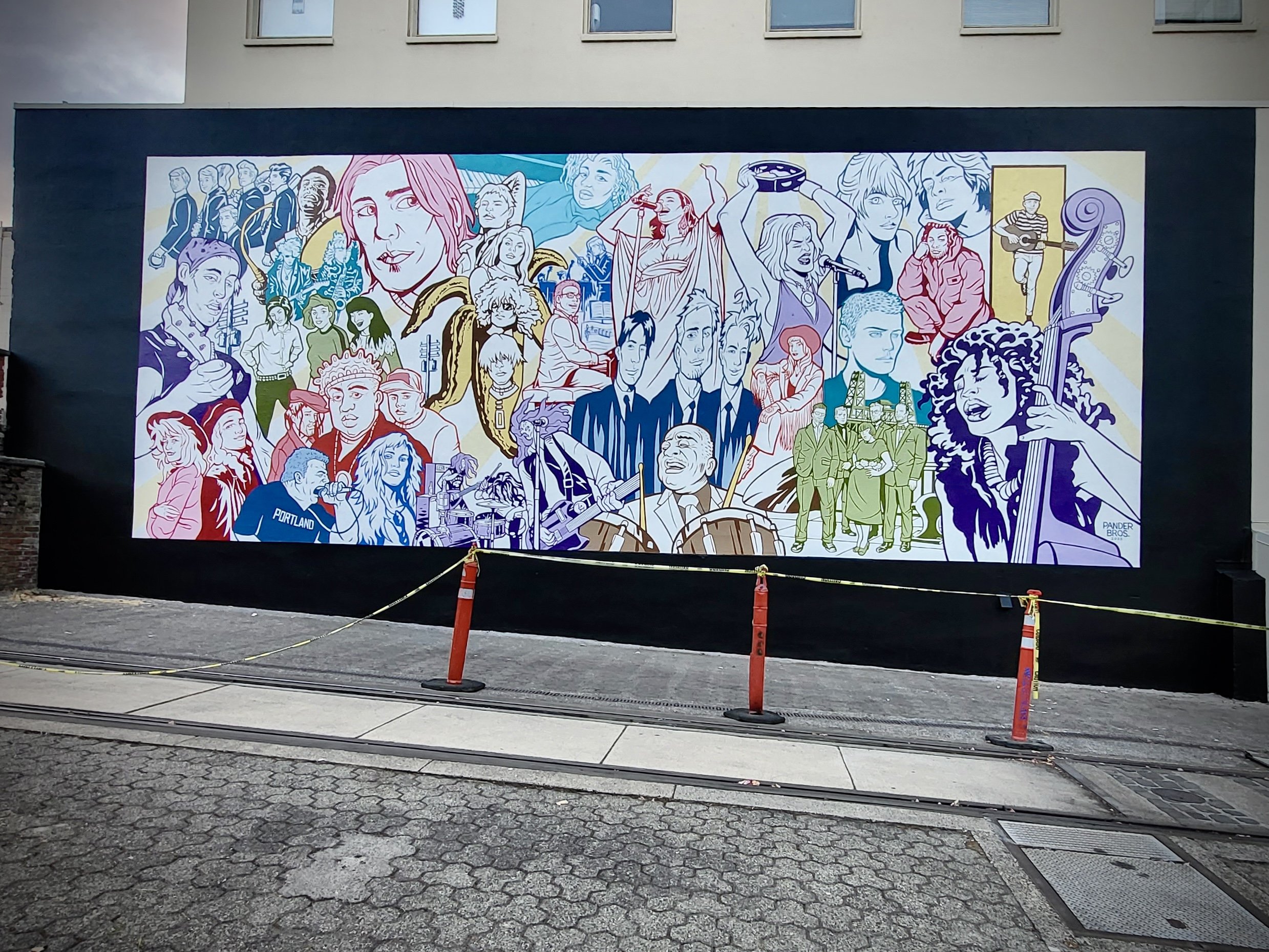
We’ve been honored by our hometown of Portland, Oregon. The Portland Mural Project was unveiled in September, a painting by the Pander Bros. of Dark Horse Comics fame. The mural includes thirty-three bands and performers who’ve left their mark on The Rose City and the World.
We’ve been honored by our hometown of Portland, Oregon. The Portland Mural Project was unveiled in September, a painting by the Pander Bros. of Dark Horse Comics fame. The mural includes thirty-three bands and performers who’ve left their mark on The Rose City and the World.
The mural is the brainchild of Jason Savage, a freelance photographer. “ I realized that Portland didn’t have any public artworks that were tributes to the music that’s come from here, and there’s a lot of music that’s helped shape the identity of this city over the years.” His dream is to spread the idea to other cities across America.
The acts included span a wide array of genres and more than sixty years of Music History, from the Kingsmen to Everclear, to Esperanza Spaulding... oh yeah...and NU SHOOZ! Head to the Music Mural Project for the complete list of musicians and a close-up of the artwork.
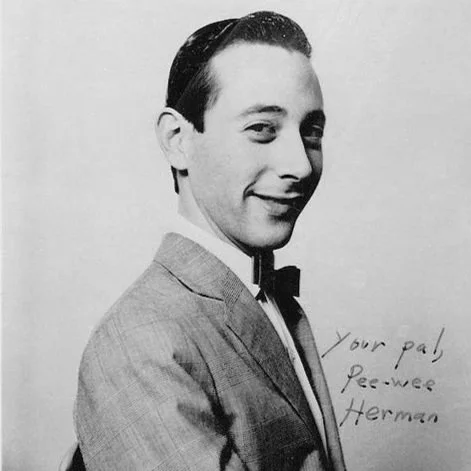
Meeting Paul Reubens
John recounts a chance encounter with Paul Reubens, better known as Pee-Wee Herman. Smith takes us back to the '87 Grammy Awards after-party where he met Reubens when he made eye contact with the man smoking next to him. Sadly, Paul Reubens passed away today at the age of 70.

It was at one of the after-parties for the ’87 Grammy Awards. We were up for Best New Artist that year but had just lost to Bruce Hornsby. (It’s okay, we knew he was going to win, and it was a thrill just to be nominated.) The after-party was in this tiny club in Hollywood. I remember the members of Quiet Riot were there.

Anyway, I was having a smoke outside the front door and happened to make eye contact with this guy standing next to me. He smiled, stuck out his hand, and said, “Paul Reubens.”
It took half a millisecond to connect the name and the person. We made small talk. I forget what we talked about; definitely not Show Biz. While we were talking, some photographers approached.
“Hey…Pee-Wee Herman! We’re from People Magazine. Mind if we get a couple shots?”
“Sorry,” He said. “I’d rather not. I’m not in makeup.”
The photographers were respectful and left him alone. Those were simpler times.
“Nice to meet you,” I said and let him finish his cigarette in peace.
We all know his achievements, how he lit up the T.V. screen in the 1980s with PEE-WEE’S PLAYHOUSE and three feature films with the titular character. Reubens spent five years developing Pee-Wee while a member of an L.A. theater group, The Groundlings. He also appeared in films like The Blues Brothers and Batman Returns.
It was an honor to encounter this great man, just hanging out, being a regular guy. Pee-Wee Herman was a character he played. Paul Reubens was a real person.
He will be missed.
9 Songs That Made Me Want To Get Into Music
On Valerie’s podcast, every guest talks about a moment in their life that inspired them to make a life in music. For me, it was all about the music. These nine songs, ranging from soul to Latin to early New Orleans soul, convinced me to switch from pathology to music. And they’ve kept me playing for fifty years.

On Valerie Day’s podcast, LIVING A VOCAL LIFE, she asks every guest a couple basic questions. They’re the bookends of the show. The first one is, WHAT IS YOUR FIRST MEMORY OF SINGING? That usually happens between the ages of three and six. At the end of the show, Valerie asks, IF YOU COULD GO BACK IN TIME AND SAY SOMETHING TO YOUR YOUNGER SELF, WHAT ADVICE WOULD YOU GIVE? What would you say to that kid?
So much to say…
Everyone chose around age fifteen. We all have our own version of what that was like. To go back and talk to my younger self was always my ULTIMATE SCI-FI FANTASY! [I wouldn’t mind going back and helping to produce some of those NU SHOOZ records, too…kid do you really need four tambourine parts?]
All of the guests on Valerie’s podcast said basically the same thing. They told their fifteen-year-old incarnation;
YOU ARE BEAUTIFUL
YOU’RE NOT CRAZY
THIS PATH IS OPEN TO YOU
THAT PATH…
…MAYBE NOT SO MUCH
Everybody said it. I found that fascinating.
Oh…
If I could only go back and tell my kid self what the dead-ends were…but we’re not allowed to do that. It’s the PRIME DIRECTIVE, like on Star Trek or any Time-travel story. You’re not allowed to interfere with the past. And I get it. Our younger selves had to make their own mistakes…to learn from them.
But we have this longing to go back into the past and say, “Hey baby, relax. It’s alright. You’re beautiful. You’ve got a thing on that piano, or yeah, DANCING is not a stupid career if you’ve got the dance in your bones.”
I had a lot of dead-ends.

I thought I wanted to be a Pathologist because of a book I read. You wanna go back and say, “No, get your hands on a guitar as soon as you can. There’s MUSIC in your head.” But you’re not allowed to say that because you’re on the deck of the Enterprise, and you’re not allowed to communicate with that rogue planet.
My own journey into music was slow but constant. There was a Tom Lehrer record on the turntable when I was five. I played it over and over and picked up a lot of unsavory lines I didn’t understand.
THE GUY WHO TOOK A KNIFE
AND MONOGRAMMED HIS WIFE
THEN DROPPED HER IN THE POND
AND WATCHED HER DROWN.
[Note: I picked one of the cleaner ones here.]
The Golden Age of Sixties music was happening all around me. Herb Alpert and the Kingston Trio and Bobby Darin. Uncle Tony was a professional trombone player. He had a striped jacket and straw boater for his Dixieland gigs. From age seven to around age eleven, I just played army. I fought in both the European and Pacific Theaters, of course. Then I wanted to be a Scientist and spent all my spare cash on beakers and Erlenmeyer flasks.
I didn’t really want to be a scientist. I was into the theater of it. My laboratory was a stage set.
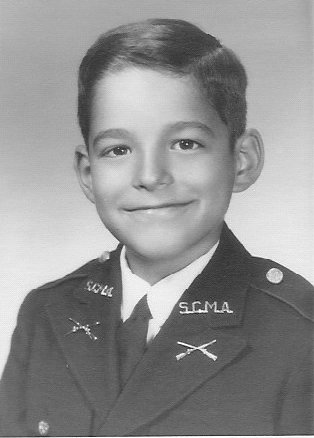
John Smith, military school. 6th Grade.
I moved to L.A. in the summer of ’66. Herb Alpert was on the radio playing ‘Taste of Honey.’ I could imitate his trumpet solo. My mother asked, “Do you want to play a musical instrument?” Nah, I said, mostly because it was her idea. It would be another five years before I picked up an instrument and fourteen before I had a band of my own.
But for all the dead-ends, there was this constant gravitational pull toward a life in music.
Plaintive chord changes thrilled me before I knew what they were. Go listen to ‘Tears of a Clown.’ Do it right now, and see if you don’t get a few tears of your own.
I could probably list a hundred songs that changed my life in some way. This is a list of songs that tipped the scales toward a life in music and away from Pathology.
HERE ARE NINE SONGS THAT MADE ME WANT TO GET INTO MUSIC
...which kinda turned out O.K.
“I Was Made To Love Her” Stevie Wonder
I remember where I was when I heard this. Squeezed into the back of a V.W. bug. We were on our way to go swimming in some Ohio lake. It was the summer of ’67. My introduction to Soul Music?
No, there was one before that.
2.) “Natural Man” Lou Rawls
Maybe that was my introduction to Soul Music.
No. I think there was one before that.
When I was seven years old, that would have been 1962, I got the measles. In those days, they said the measles could make you go blind.
So they gave me a pair of kid-sized sunglasses...
And not crappy ones.
Legit horn-rimmed Marcello Mastrioni SHADES!
And they gave me something else.
A BABY BLUE TRANSISTOR RADIO in a brown leather case embossed like a pair of brown wingtips.
And I remember the first song that came out of that radio.
3.) “Java” Al Hirt
[Yeah, I know it doesn’t count as a Soul tune.]
What was playing that answer lick?
“Da-boo-dat
Da-boo-dat
Daba-dooby-aba-dat”
To my seven-year-old ears, it sounded like rubber bands. It took me twenty years, no lie, to figure out that they were tenor saxophones.
Now we jump forward a couple years.
4.) “Mother Popcorn”
James Brown
There was this black family that lived down the alley, Frank and Amanda Miller and their six [count ‘em...six] kids. Two of them were deaf/mute. My mom worked three jobs, so they kind of took me in. Frank was building a supercar in the garage, a ’49 Plymouth with T.V., C.B. Radio, a refrigerator, and shag carpets; the kind of ride Curtis Mayfield would have called a ‘Gangster Lean.’ Frank worked at the Naval shipyard over in Long Beach. He brought home all kinds of wires, meters, and parts pulled out of old battleships and destroyer escorts. Amanda, meanwhile, was taking care of the six kids.
So...one day, she comes to me and says
“I’m goin’ to the record store. Tell me two songs you want.”
She bought me two 45’s.
5.) “Love Makes a Woman” Barbara Acklin
And this was the other one.
[By the way, Amanda Miller taught me how to dance the Popcorn.]
6.) “Say a Little Prayer”
Dionne Warwick
Eighteen years later, we got to meet Dionne Warwick on the Solid Gold show. I chickened out of telling her that I was thirteen and loved her stuff with Burt Bacharach. She was really tall. So was Marilyn McCoo.
Maybe THAT was my introduction to Soul Music.
7.) “More Love”
Smokey Robinson and the Miracles
8.) "Tears of a Clown”
Smokey Robinson & The Miracles (see above.)
9.) "Nina y Senora" Tito Puente
There was so much Latin music going on in Portland in the ’70s. This is a sample of what was playing in our apartment around 1977.
Oh, But I left out...
10.) “Bread and Butter”
The Newbeats
Some early New Orleans soul…love that piano part. ‘Judy in Disguise’ is another piano part like that.
And the song that made me switch from Pathology to Music
11.) “Message To Love” Hendrix/Band of Gypsies
Four bars of that song and I was hooked.
That’s what I gotta do with MY life.
[Oops…there were more than nine.]
A girl named Leanne gave me a broken guitar from her parent’s closet. The bridge was dangling from a single string. Of course, the first thing I did when I got home was…pose in the mirror, like Hendrix in Life Magazine. The next thing I did was try to learn to play, and I didn’t miss a day for the next fifty years.
So…
That fifteen-year-old worked it out for himself. And maybe the dead-ends are important. Maybe they add up to something greater than the sum of their parts. They add up to who we are now.
What songs influenced you?

Photo by Valerie Day
Fred Ingram And The Genius of Album Art
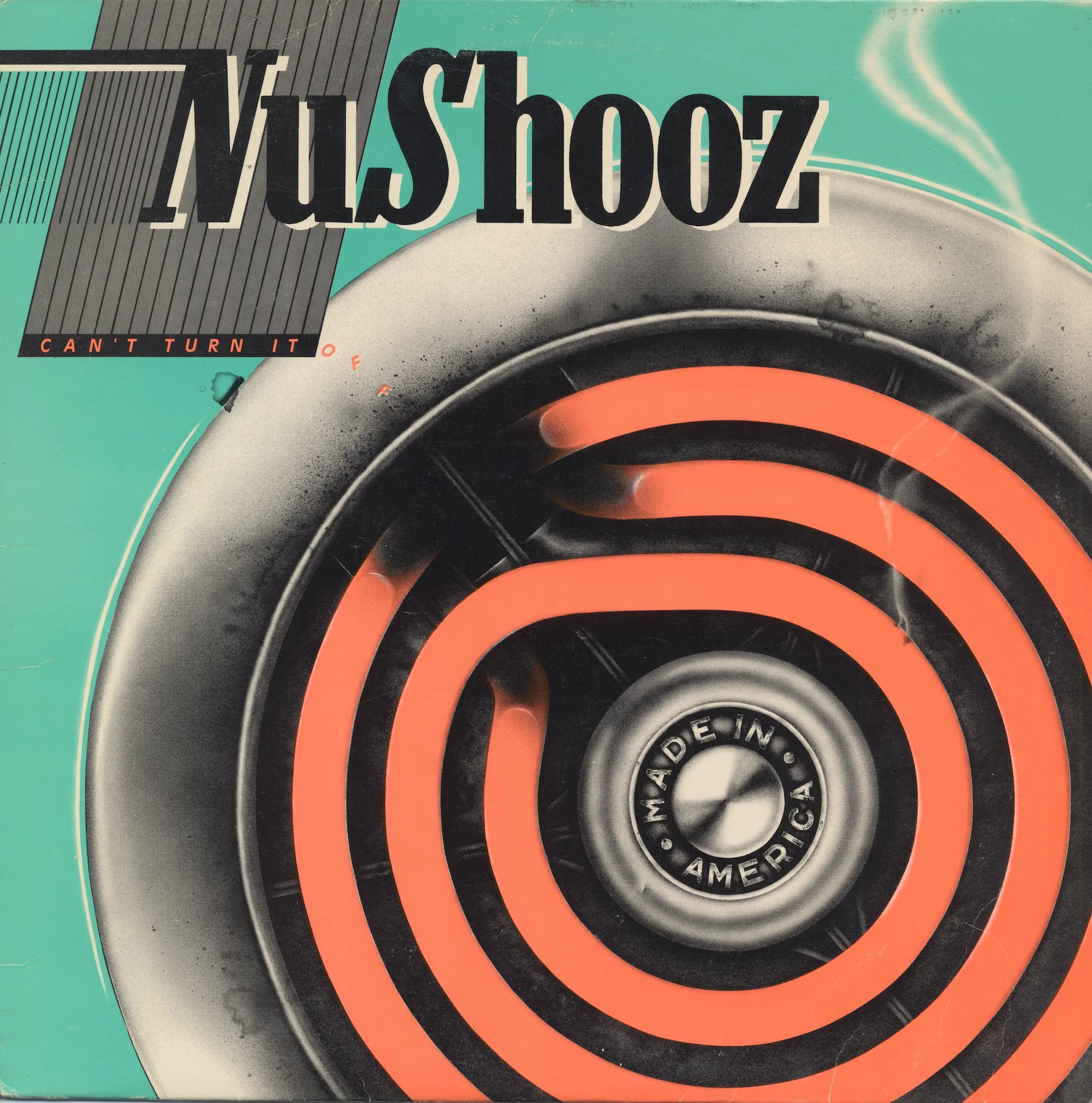
The 12x12 vinyl album cover is a thing of the past, but Fred Ingram's airbrushed artwork for NU SHOOZ's first two albums still stands out.
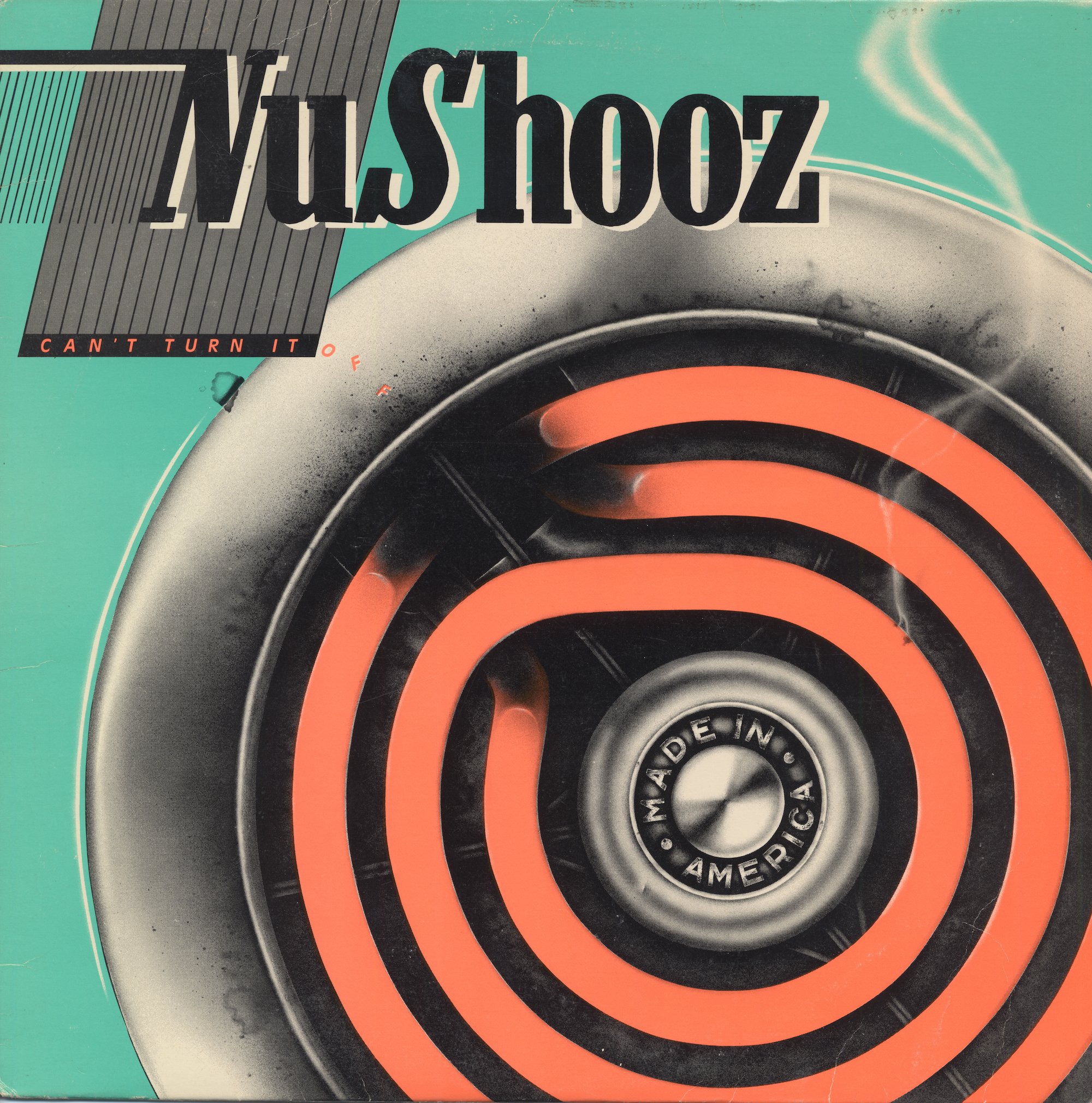
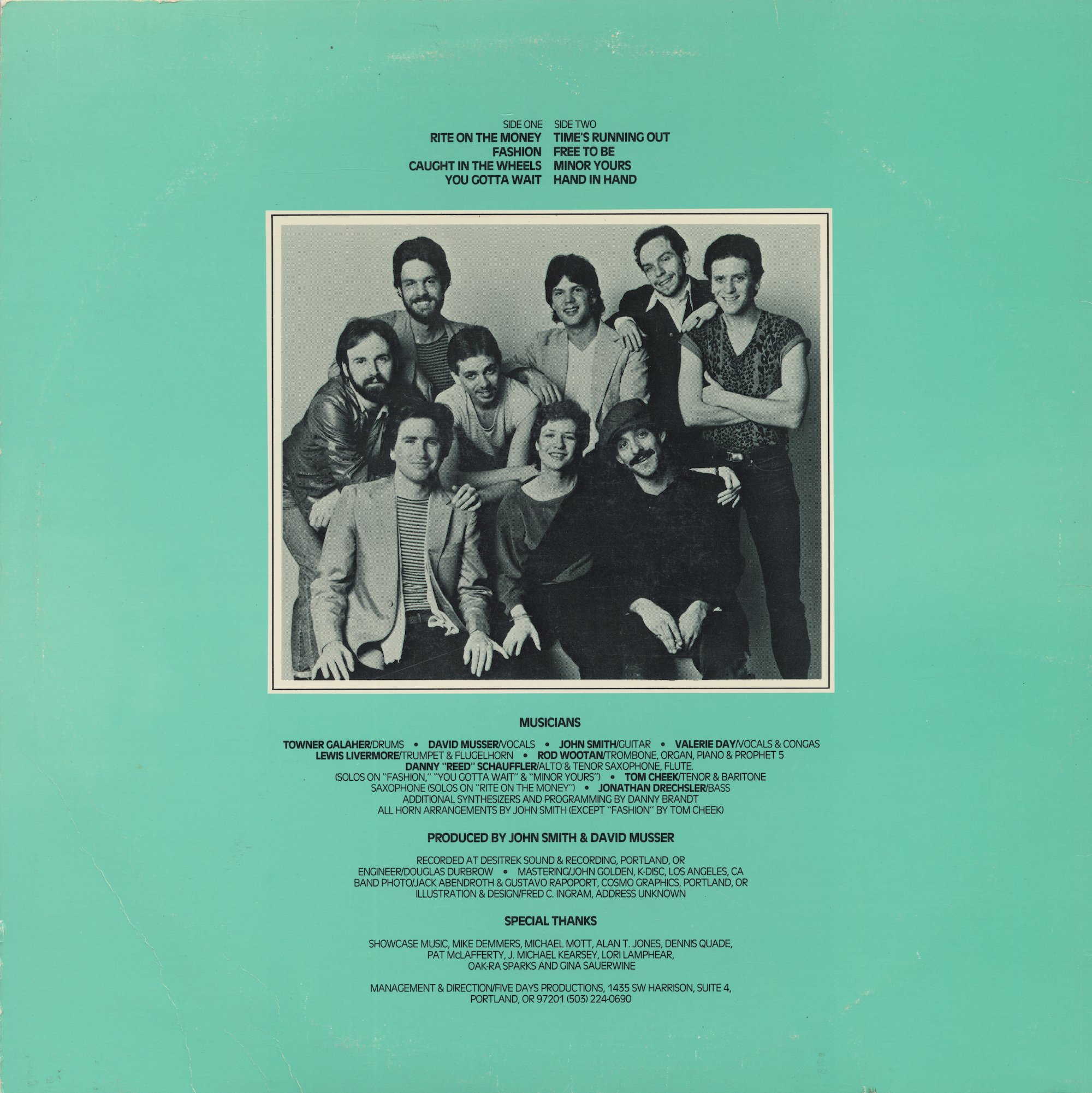
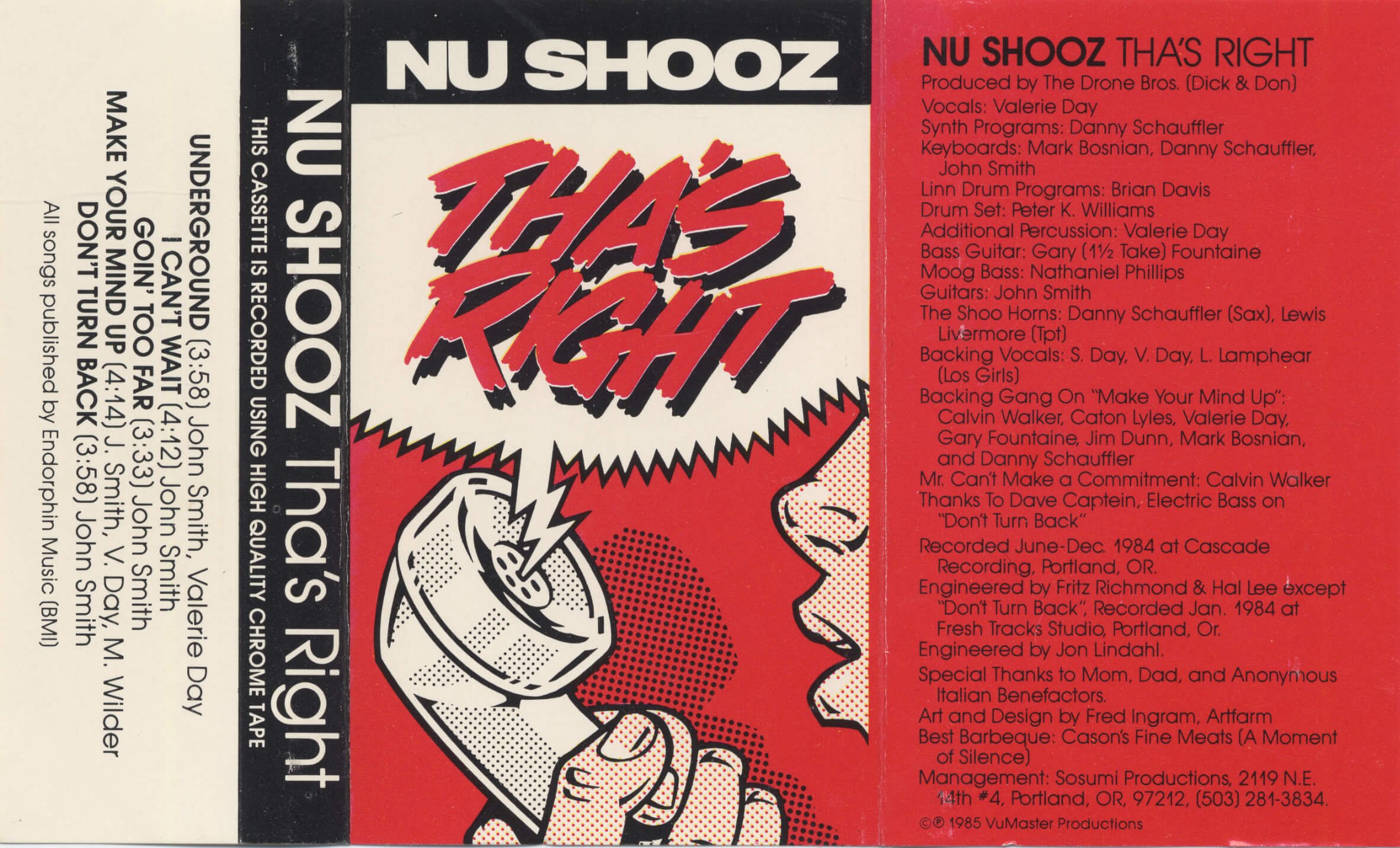
The Golden Age of the 12x12 vinyl album cover is in the past, now the rarified province of the serious Vinyl Collector.
Back in the day, we poured over these artifacts, read the liner notes over and over, and wondered how to pronounce names like Bill Smzyk. Double albums were perfect for removing seeds from…well, you know. Sometimes the artwork was better than the music.
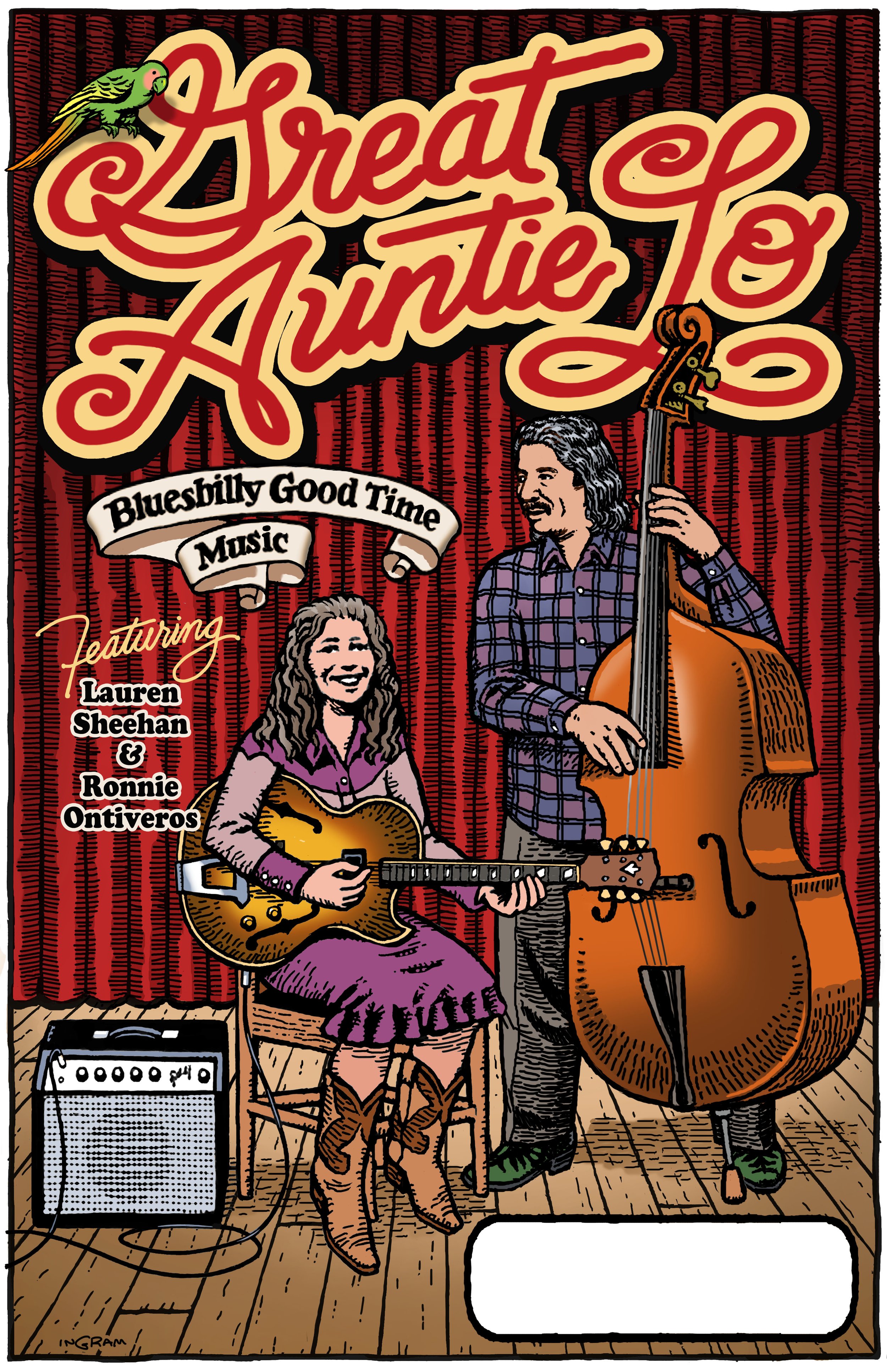
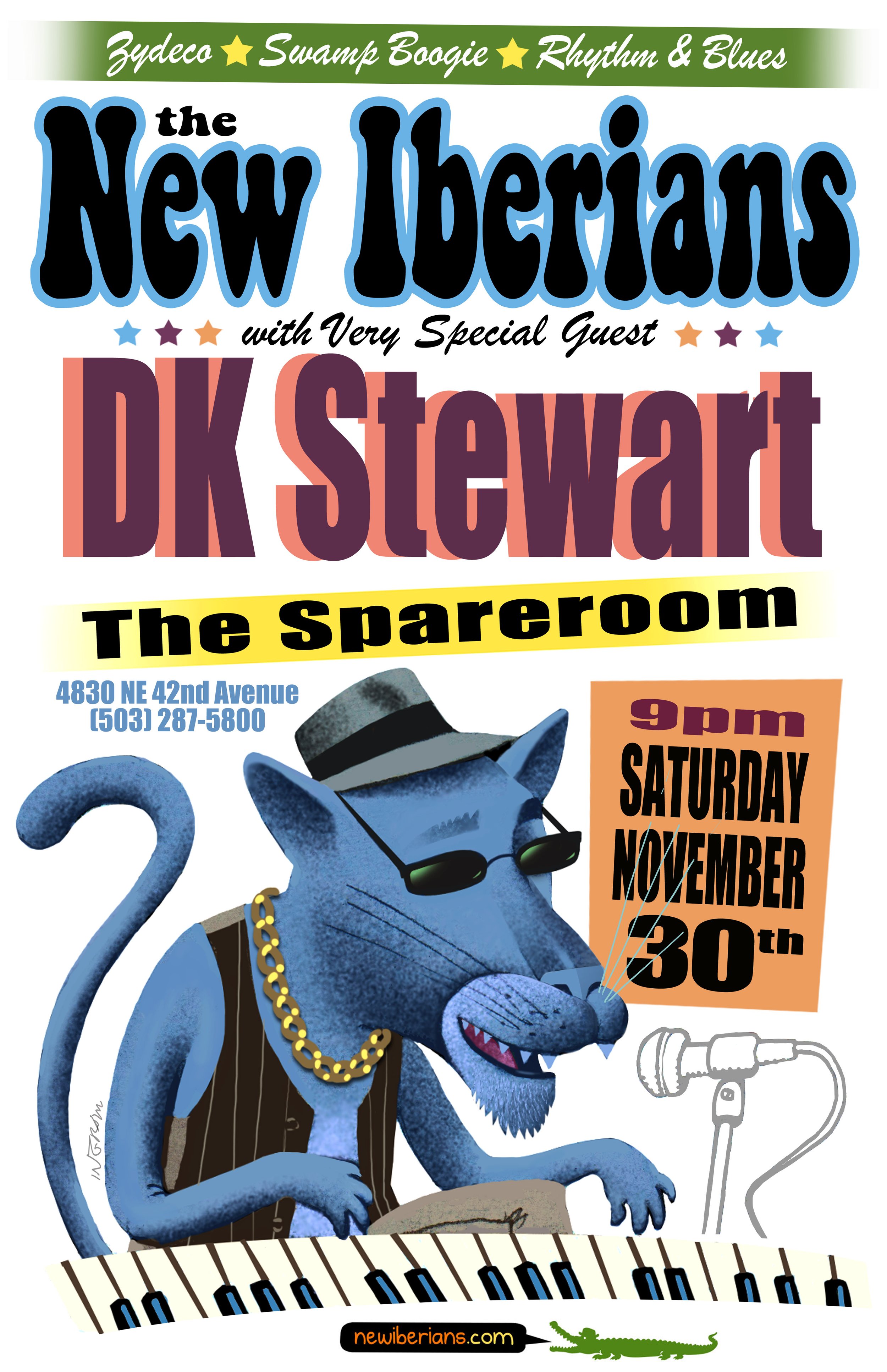
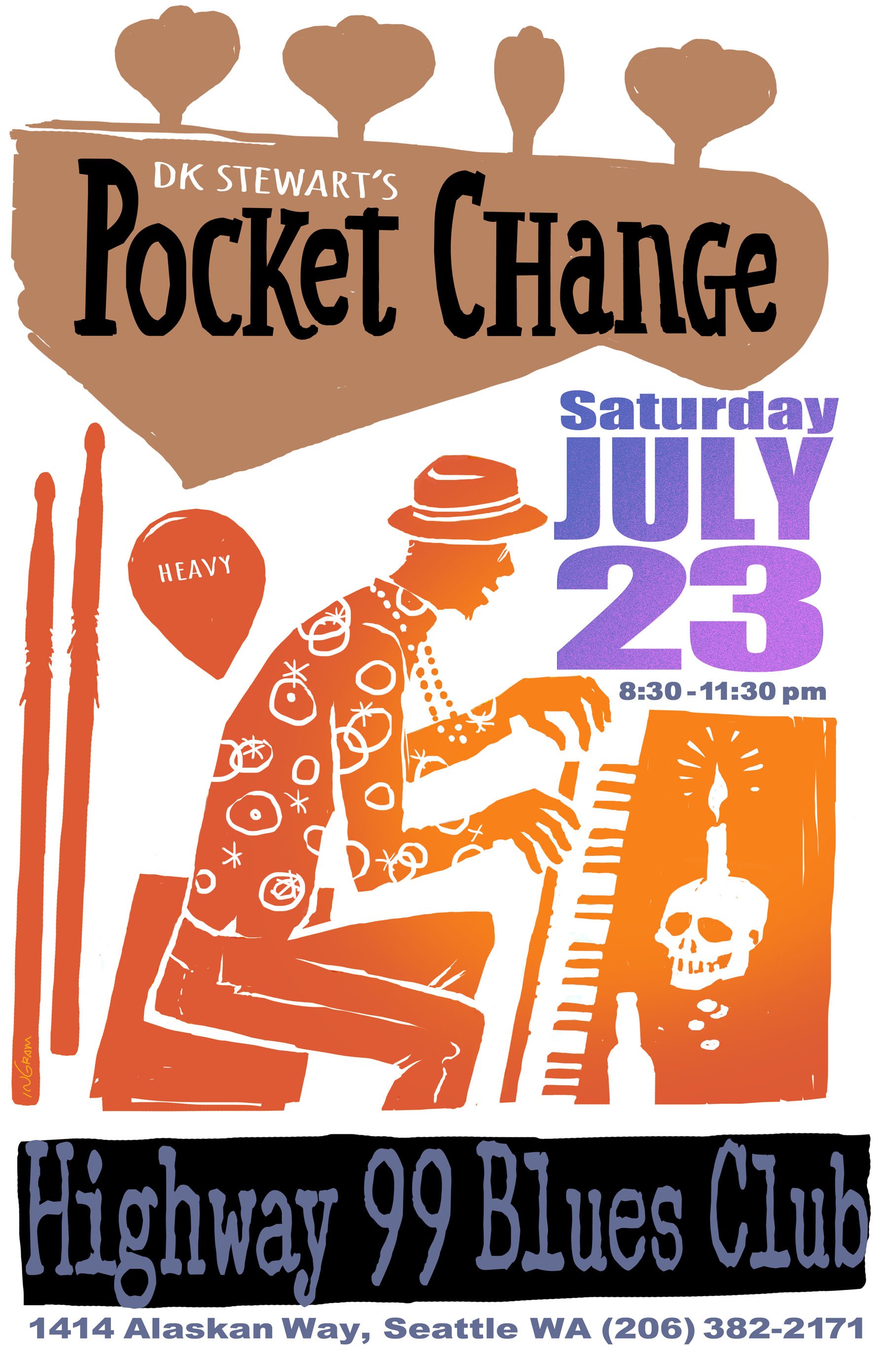
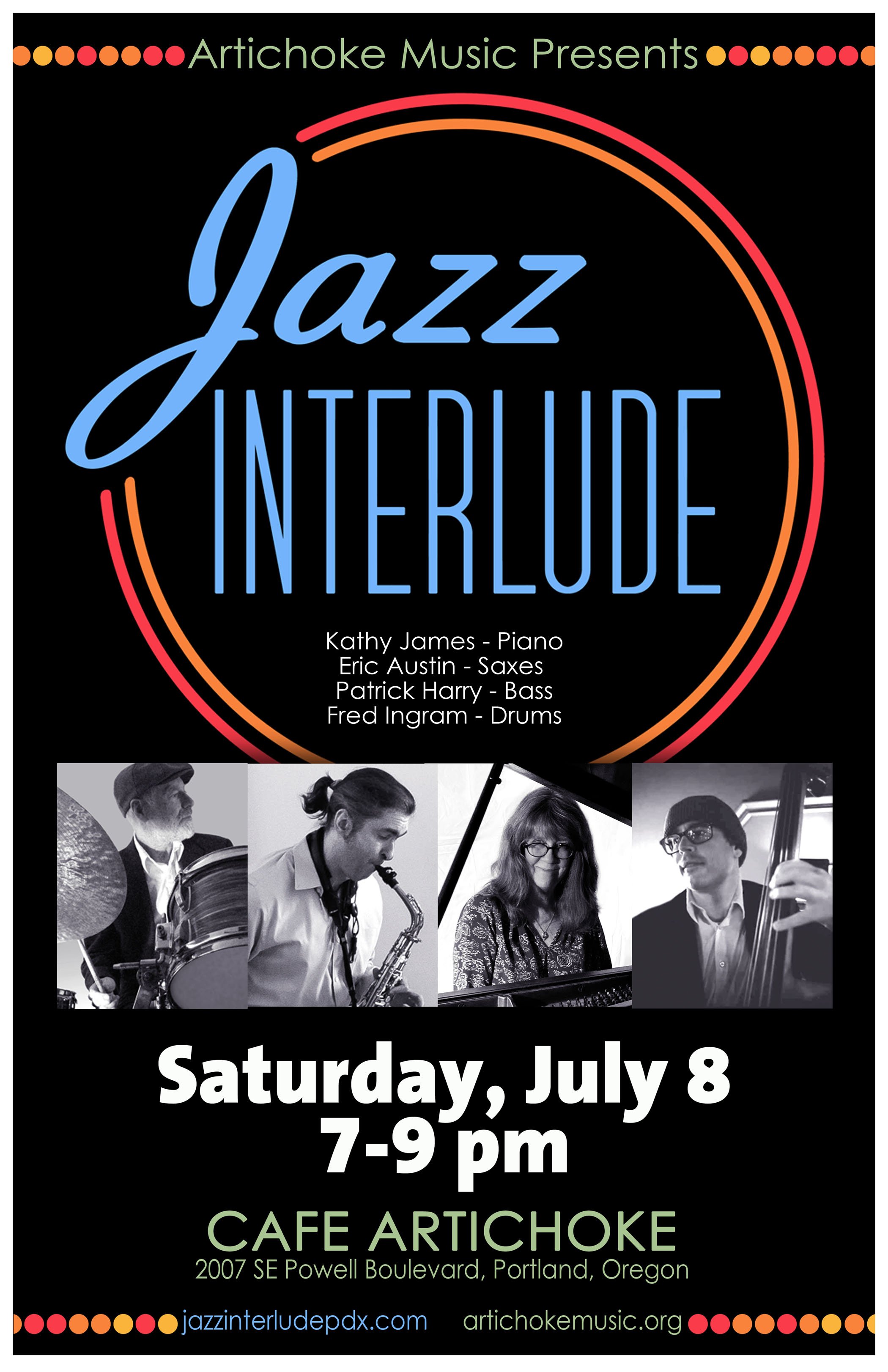
The first two album covers for the Portland Soul band NU SHOOZ were done by artist FRED INGRAM. These were the days before digital art, like Photoshop. Fred was a master of the airbrush, which you can see on the band’s first album, “Can’t Turn It Off” [1981]. He also did the cover for the second album, “Tha’s Right.” [1985] Fred gave both albums their titles and also played drums with ‘the Shooz’ for a brief period. “Tha’s Right” launched the band’s signature hit, “I Can’t Wait.”
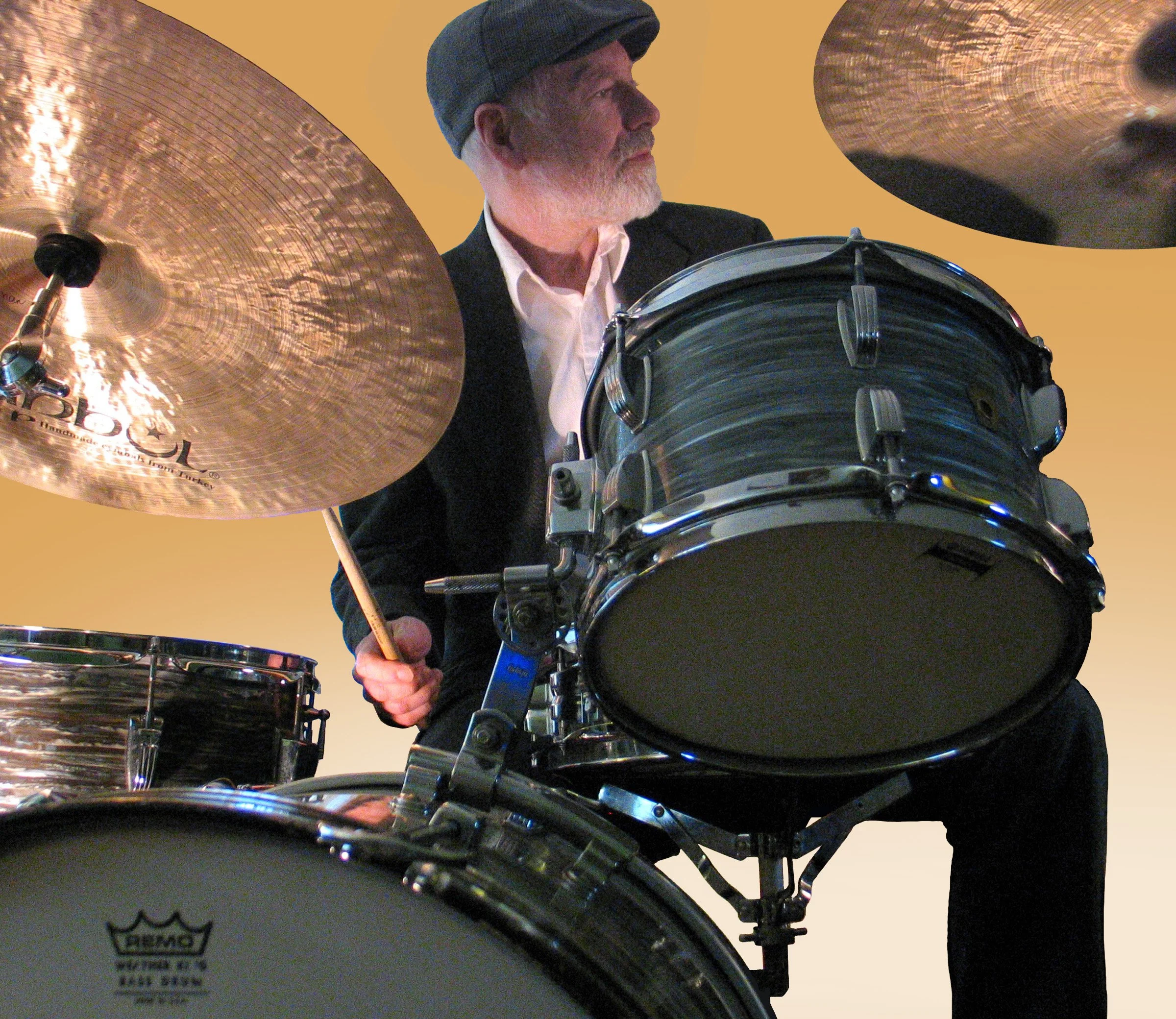
Fred still plays drums in a number of bands in the Portland Area, and he still does album covers. Almost every blues band in town has a cover by Fred. He’s always had an incredible range of styles that he references. He was good forty years ago, and he’s still great. (Check out some of his latest work below.) If you need art for your next record, you can get in touch with Fred at fred.c.ingram@gmail.com.


R.I.P. Tina Turner
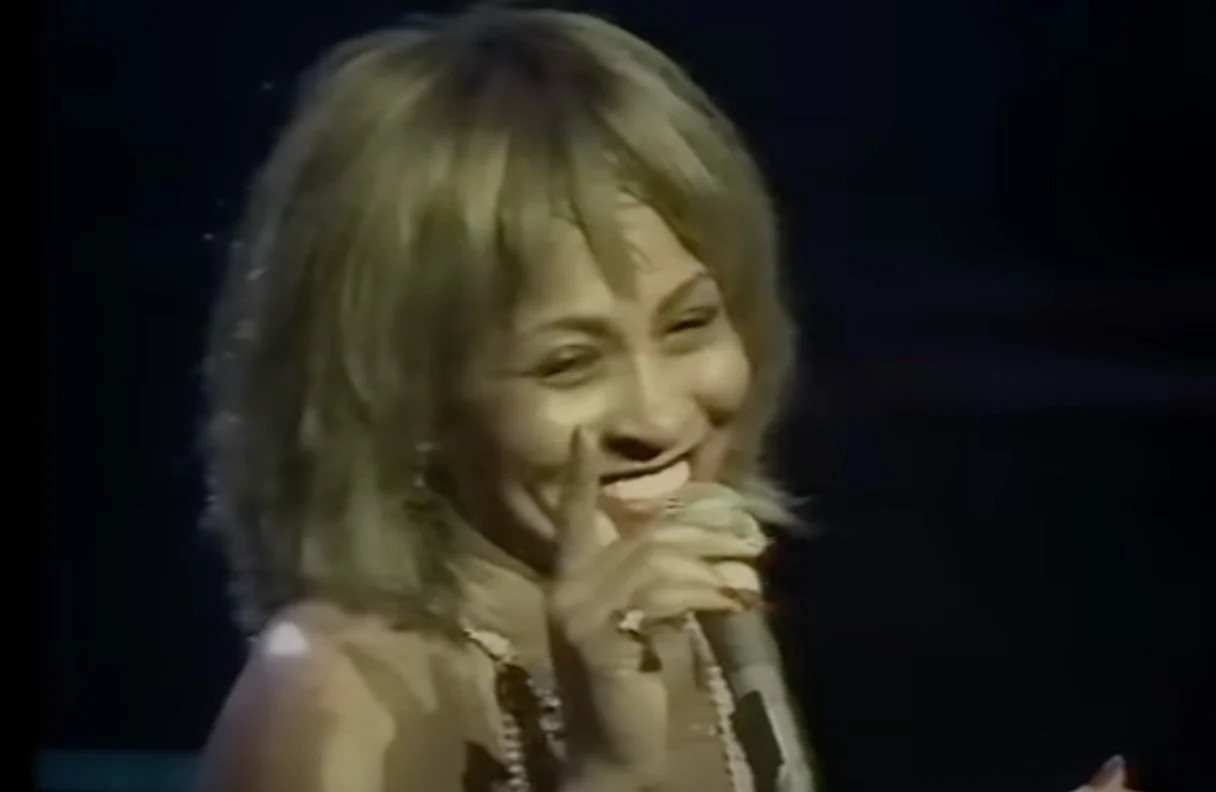
We were deeply saddened to hear of the passing of Tina Turner. As a band, we played a couple of shows with her in the early 1980s and witnessed her incredible stage presence and powerhouse voice firsthand. Despite her smaller stature offstage, she commanded the stage like no other. Here are a few memories of our time with her. Rest in peace, Tina.

We need to mark the passing of Tina Turner, born Anna Mae Bullock in 1939. A long-time resident of Zurich, Switzerland, she left us at the age of 83. Most people know her string of Mid-80s hits, ‘Private Dancer,’ ‘Simply the Best,’ etc. But Tina was a powerhouse all through the 1960s. (The first single I bought with her singing was ‘Nutbush City,’ in 1969.) The words ‘Icon’ and ‘Iconic’ are so overused. Here they apply…and more.
Tina Turner was a real person.
A giant onstage, in person, she was tiny.
Nu Shooz played two dates with her in the summer of 1982. She’d left Ike a few years before and was fighting her way back up the Show-biz ladder. The tour was called ‘Catch a Rising Star.’ She’d turned the Ike and Tina Revue into something more Rock, something lethal. Tina, fronting three long-legged girls, legs made even longer by the highest heels.
She was playing small venues.
The first night we opened for her at a hotel in Eugene, Oregon. She was playing every gig she could get. Her band was razor sharp.
This story has been told many times, so here’s the short version. Our sound man, David Grafe, liked to bring his daughter Heather along on parts of the tour. At the hotel in Eugene, I forget the name, a dispute arose between Tina’s people and the hotel management. People are running around setting up gear, plugging in wires, and there’s this argument going on. Tina approaches eight-year-old Heather and says, “We don’t need to be around for this. Let’s go find some ice cream.”
Now that’s the way I’ve been telling the story for forty-one years. It turns out I had it all wrong. They went out and bought CANDY. After everything this woman had been through, she was a most compassionate person, someone who saw an eight-year-old girl who could use a treat. Tina Turner embraced Nichiren Buddhism after she left Ike. She said it was a source of Inner Peace, but she loved her candy.
The next date was in Portland.
After the Eugene show, our band and Tina’s broke down all the gear, packed up, and headed an hour North. Both buses ended up at the same gas station in Lebanon, Oregon. Tina’s people jump out of the bus to get snacks. A window slides open. Someone sticks their head out and shouts, “Tina wants FIVE MILKY WAYS.”
The gig in Portland was at Starry Night, a way bigger venue. That was when we really got to see the show. She did a long monolog as the band brought ‘Proud Mary’ to a slow boil. We’d heard it the night before in Eugene. It was the same in Portland, word for word. Tina invested that speech with the same power night after night, like a great actor, like Olivier doing King Lear.
Her music director was a chubby little guy named Kenny, who played the heck out of the piano and could sing EXACTLY like Tina. In fact, he sang her parts while she and the girls were doing the shimmy shake out front. Of course! There’s no WAY you could stay in tune and dance like that. Backwards and forwards and in heels.
After the ‘Catch a Rising Star’ tour, Tina’s star did rise. Just four years later came her massive string of hits, her star turn in ‘Mad Max,’ her status as one of America’s great voices, The Queen of Rock and Roll. Her star continued to rise and rise…straight to the Milky Way.
Carlos And Should I Say Yes en Español
One of our favorite songs we recorded during our years at Atlantic was 'Should I Say Yes.'
We were so pleased with the result that we decided to record a version in Spanish. Here's the story of that record and the remarkable man who helped us with the translation, Carlos Camus. It's a little snapshot of the vibrant music scene in Portland, Oregon, in the 1980s.
A long-time friend of NU SHOOZ found a video on YouTube and shared it with us. Somebody took our song ‘Should I Say Yes’ and spliced the Spanish version onto the end. (The Spanish version starts at minute 4:00 in the video above.)
The Spanish version.
Diciendo Si
Diciendo No
Long before their worldwide success with ‘Do That Conga,’ Miami Sound Machine was putting out Spanish versions of their songs in Latin America. That made us aware of that huge audience to the South.
’ S.I.S.Y.’ was the perfect song to do. We looked around for someone to write the translation. Right away, we thought of Carlos.
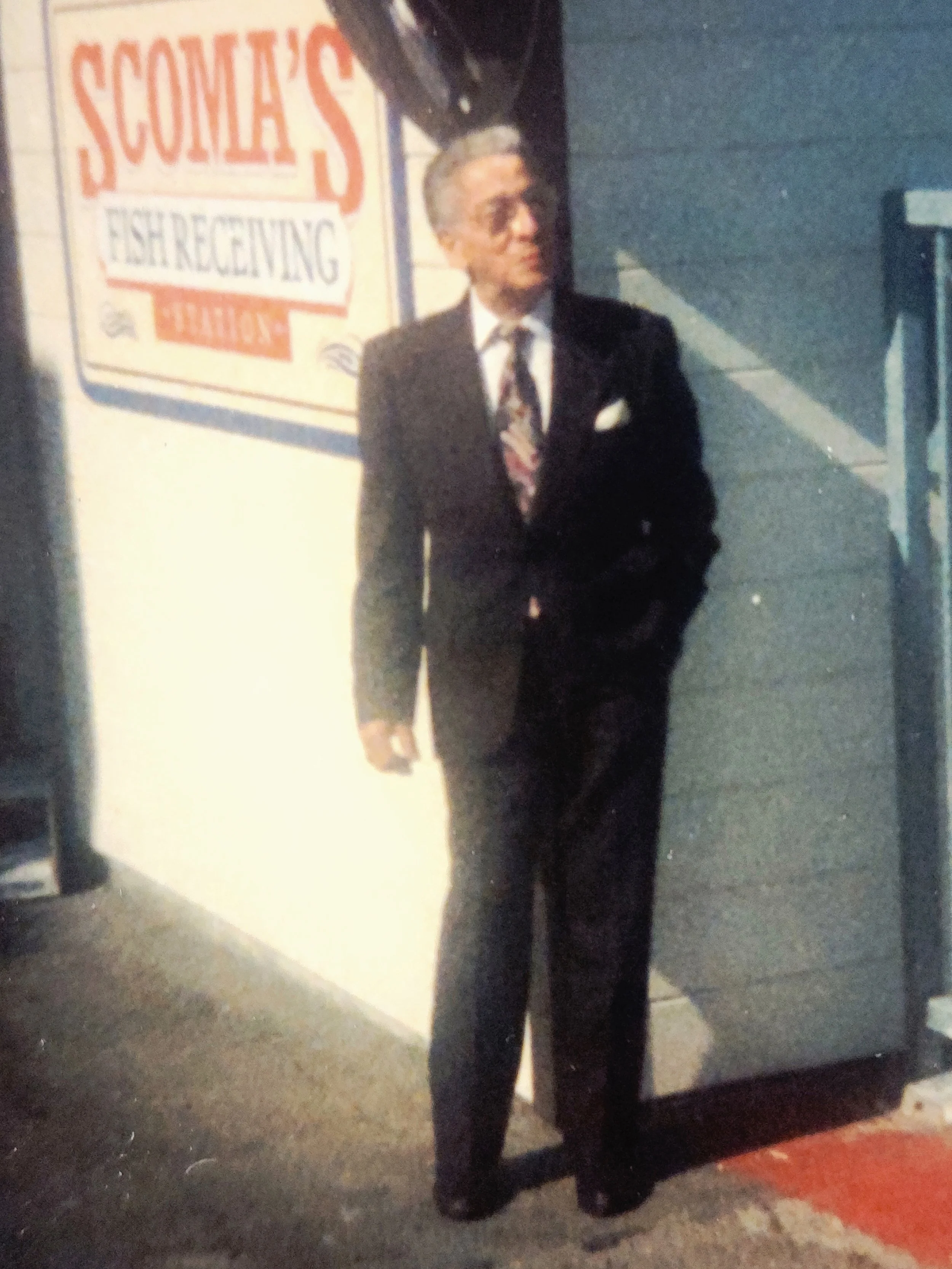
Carlos Camus was a very interesting gentleman, one of the true characters on the Portland music scene of the 1980s. A trim little man in his late 50’s/early 60’s, he came out every night to DANCE. Always impeccably dressed — elegant but never overstated. Valerie remembers his shoes. They were dancing shoes.
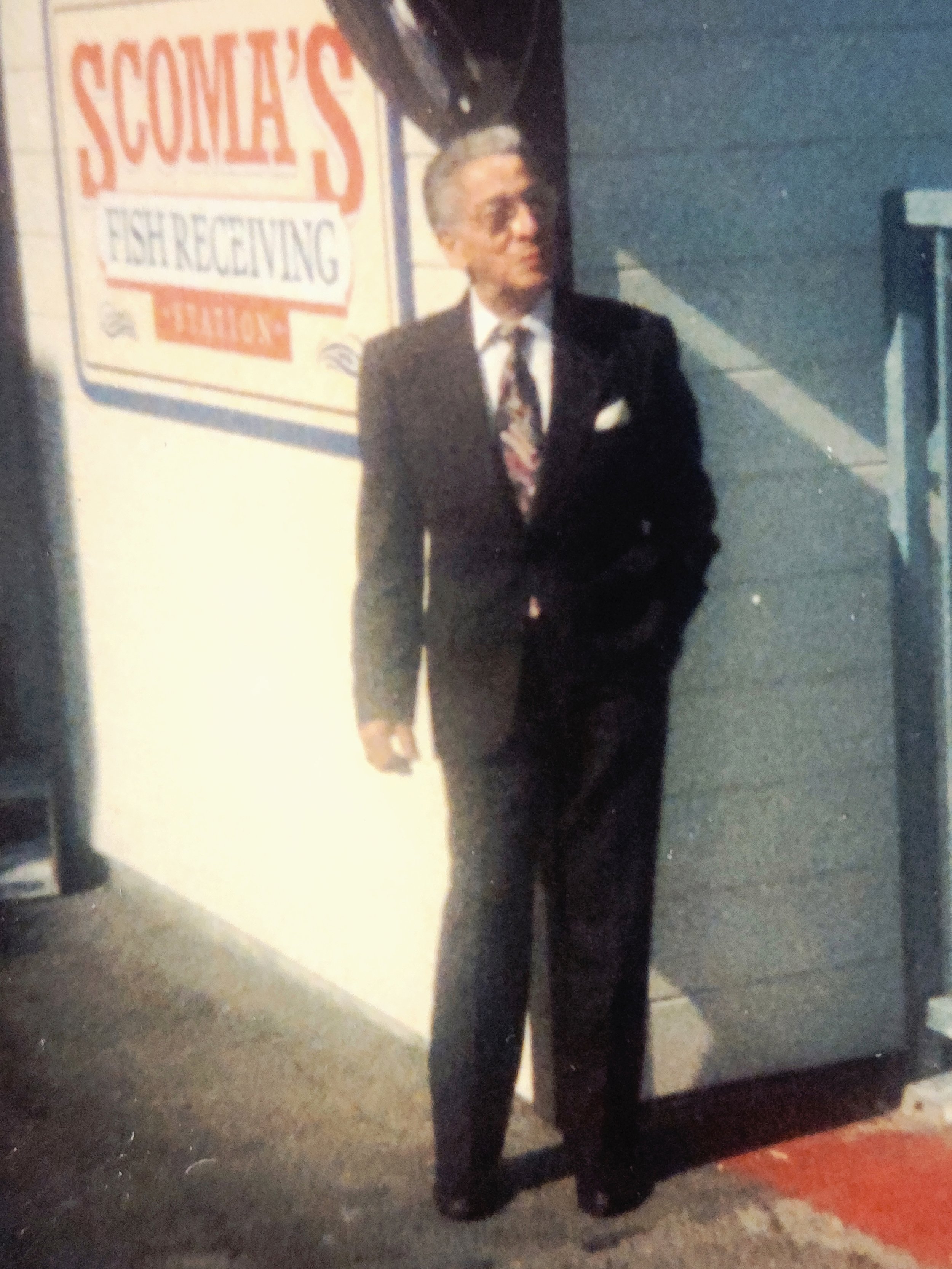

He came to hear our band when we played at KEY LARGO, a music club in Portland, OR. He came to hear all the bands, no matter what the style, punk, funk, or reggae, always sitting at his special table, sipping a flute of champagne, I believe. He was always one of the first people to get on the dance floor. Often he’d ask some young girl from the audience to dance with him. His invitation was always accepted. It wasn’t creepy. It was beautiful. He had those Old-World manners from another time and place. Everybody wanted to dance with Carlos.
We didn’t know his country of origin. There was something European in the mix, so maybe Argentina. He would have been right at home in one of those Tango movies from the 1940s. Later, we found out that he was Chilean, but the Tango image still fits.
Carlos would kick things off, then retire to his table and his champagne and watch as the dance floor filled with Hippie Twirlers, Leather Punks, and the Funky People.
For his day job, Carlos had a little shoe repair shop up on West Burnside. (This was before the world was taken over by disposable shoes.) He re-soled my Frye boots more than once.
Carlos was a little timid when I asked him to translate ‘Should I Say Yes.” He said, ‘I’ll get my daughter Jacqueline to help.’ Together, they cobbled together the version that you hear today.
I only wanted to change one thing. Their version of the chorus went:
Debo decir si
Debo decir no
That’s correct, but too many syllables for the song.
‘Can we say diciendo si, deciendo no? It sings a little better.’
‘Well,’ Carlos said, That’s saying yes, saying no, But I suppose you could do that.”
So that’s how the final version came together.
Back to the YouTube remix…
So, where did somebody find this rare piece of SHOOZ history?
We have a cassette version of it somewhere, in some box, from the studio where it was recorded. But, as far as I know, it was never released, not even as a test pressing.
Go figure.
The last time I saw Carlos, he had closed down his shoe repair shop. It had been a while since I saw him last. He had aged a lot. Most of the clubs he went to were gone. He didn’t remember me or the record we had made.
That whole scene is gone now, the bands, the clubs, and that elegant soul who came to dance and spread joy. There was a brass plaque on his table, stage left at the KEY LARGO club.
This Table
Is
Reserved
For
CARLOS
NU SHOOZ TIME MACHINE: GOOD MORNING AMERICA
In the summer of 1986, Valerie and John were on top of the world with two singles in the Billboard Top 40. They even landed an interview on Good Morning America, but it didn't go quite as planned. However, what happened next was unexpected and involved a beloved children's author and a very tall man.

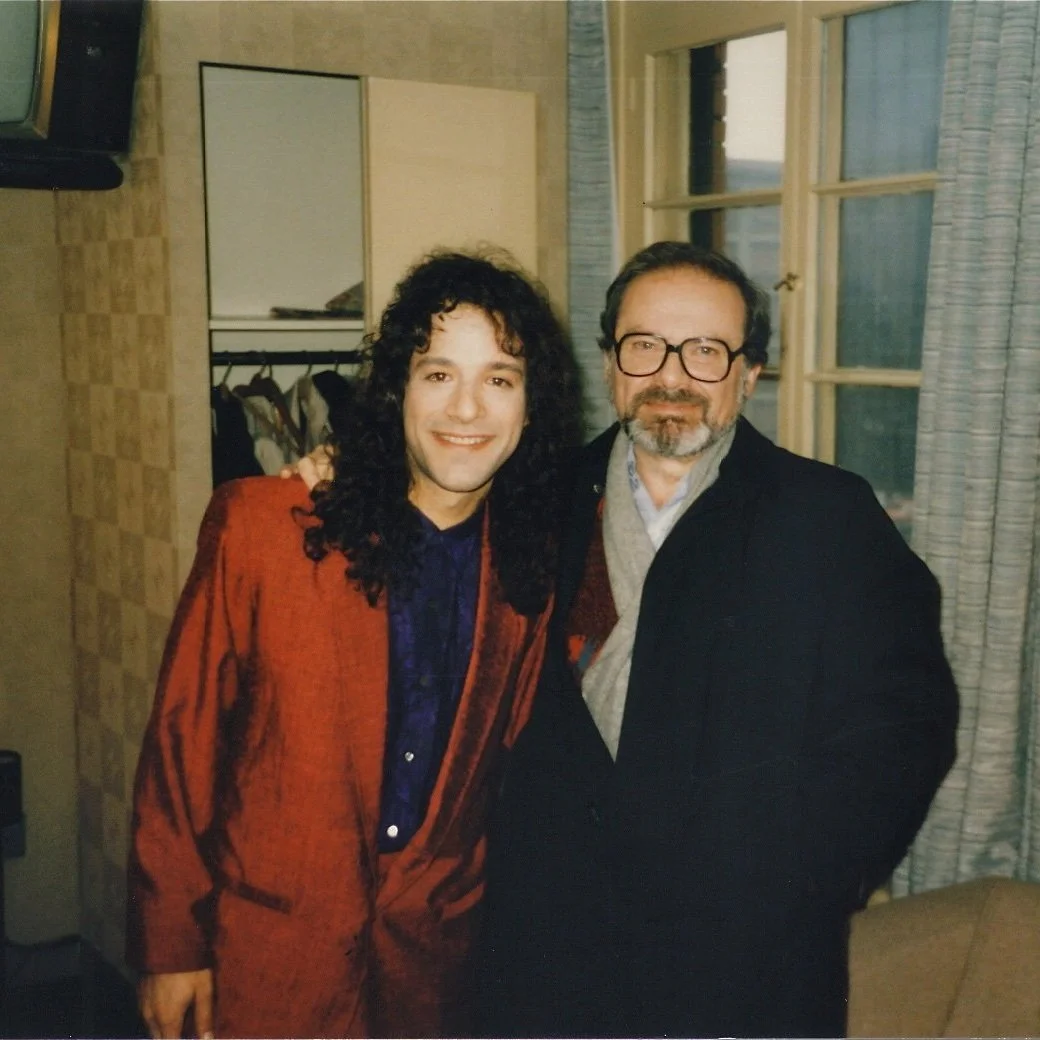
In the summer of 1986, we had two singles in the Billboard Top 40. Valerie and I were invited to be on Good Morning America. I’m sorry I don’t remember the name of the woman who interviewed us. It wasn’t a particularly good interview. You can always tell when the host knows absolutely nothing about you. They’re getting their questions off the one sheet that the record label sends out.
We did get to meet Charlie Rose. Well, we didn’t actually get to meet him. He just rushed by us in the hallway and said, “Charlie Rose.” Very tall guy.
The best part was meeting Maurice Sendak, beloved author of Where the Wild Things Are and In the Night Kitchen. Nice man. I got my picture taken with him. He went on to win a couple of Tony Awards for set design.
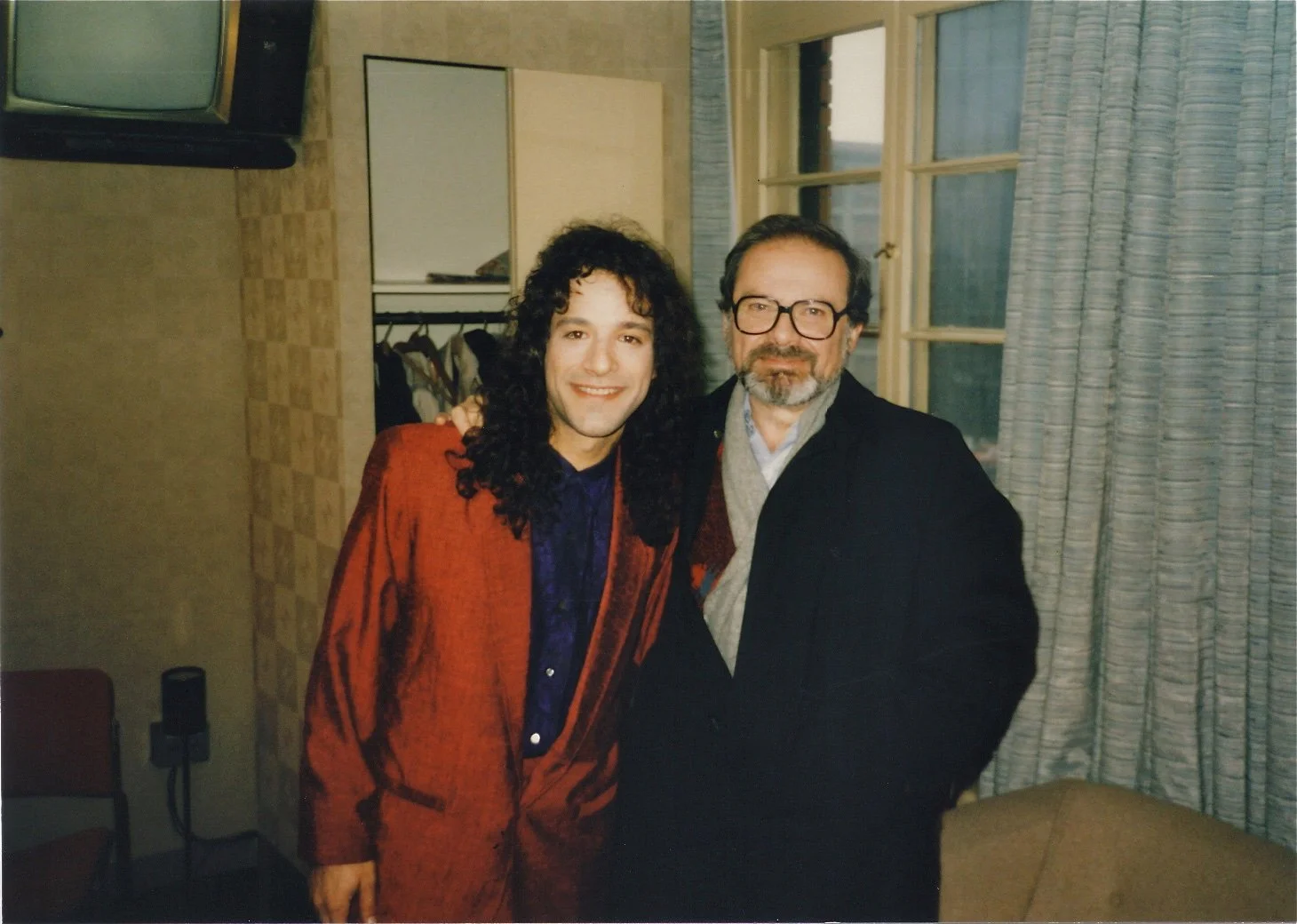
John and Maurice Sendak, April 1986.
Our interview never aired, which was fine.
It was preempted by some crisis happening over in Europe.
NU SHOOZ TIME MACHINE: The Tour That Killed The Band
It’s 1981, and the Shooz have “arrived” in Portland, OR, playing to packed houses for dance-crazed revelers. But will they survive their first-ever Northwest tour? Or end up playing to tumbleweeds in the mountains of Montana? Read on to find out more about The Tour That Killed The Band.

A while ago we asked the question, What would you like to see on our website?
The universal answer was (of course,) more stories about the ‘good old days.’ Some stories we’ve told over and over, like writing ‘Should I Say Yes’ in a full-blown [pun intended] tornado.
Is there anything left to say?
Valerie and I sat down and brainstormed, and came up with a pretty good list. We’ll take them in the order that they occurred to us. Here’s story #5.
In April 1981, five years before I Can’t Wait was released, Nu Shooz was on top of the world. That same month, an Oregonian newspaper article announced our arrival into the top tier of Portland bands.

The Shooz had come a long way in two years. The original four-piece group limped along through the winter of ’79. The horns and backup singers, the Shoo-horns and I-lets, were added in 1980. Now we were twelve, and it was starting to work.
Our first gig at the Earth Tavern, a hippie bar in Northwest Portland, we made fifteen bucks at the door. We gave it to the four horn players because they were pros who could read the charts. It was enough to buy a round of beer in 1980.
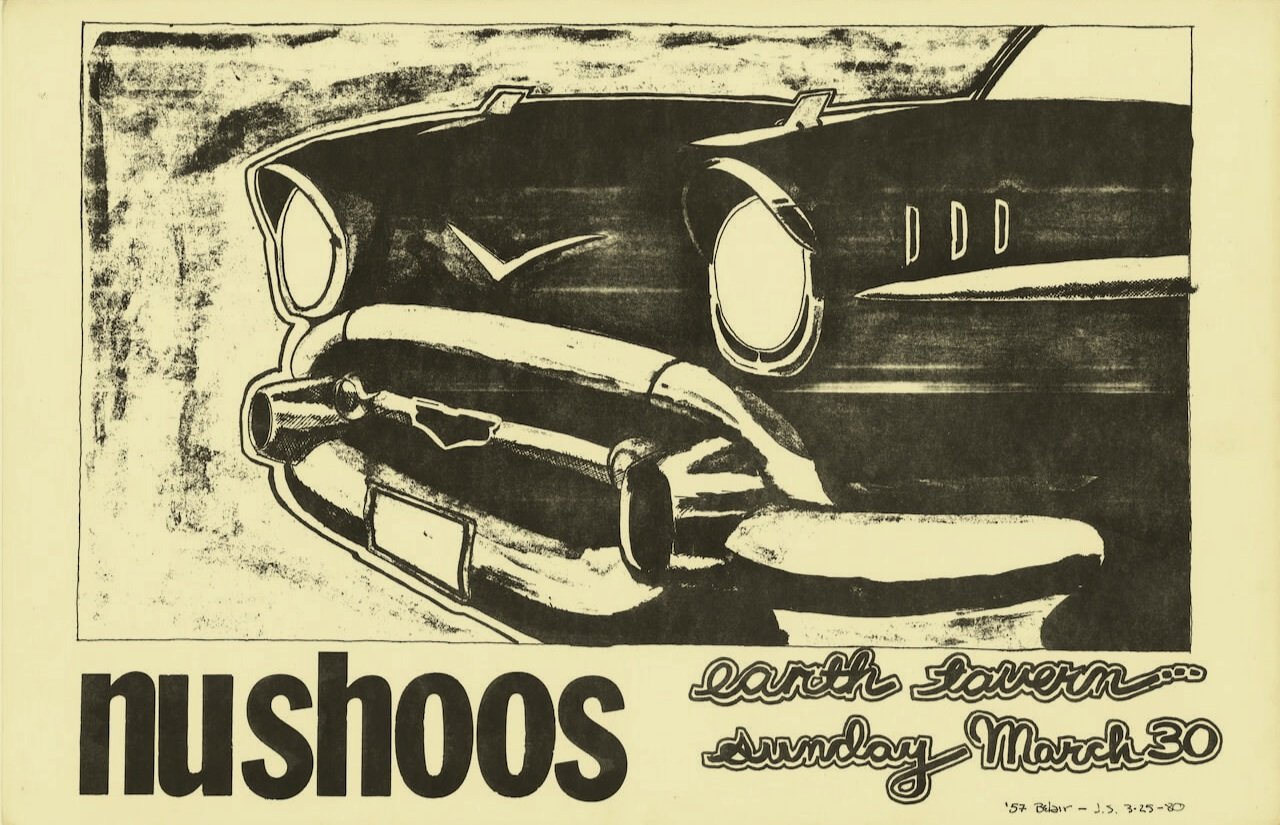
This was the beginning of the Second Incarnation of Nu Shooz.
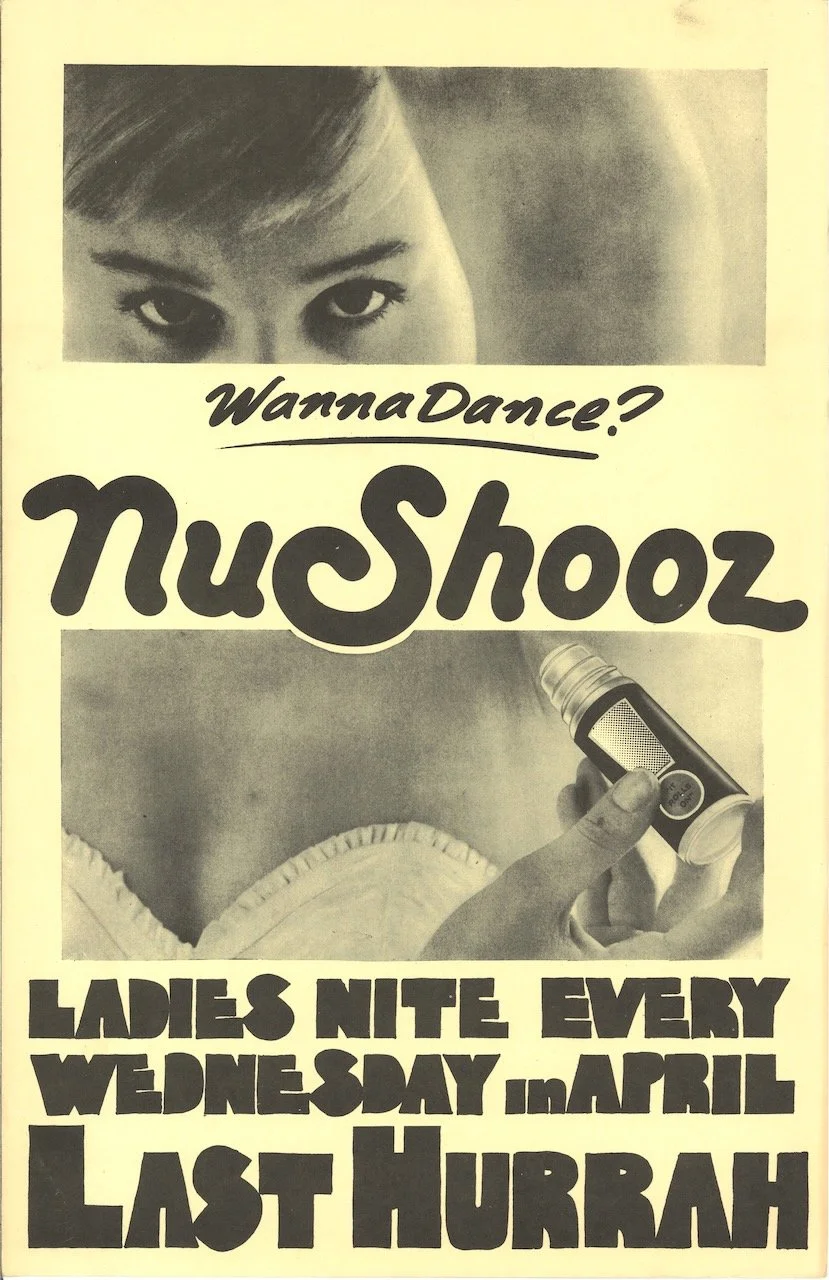
We weren’t making any money, but we’d do things like show up at folkie open mike nights, get up on stage with twelve people and burn the place down. Then we got a break. The Last Hurrah was the number-one music venue in town, the place where everyone wanted to play. Dave Musser, our lead singer at the time, talked the owners into coming out to see us. They immediately gave us the coveted Ladies Night slot every Wednesday night for the whole summer.
We went from making eight dollars a night at the Earth and the Coyote Club to lines out the door at the Last Hurrah. It was the spring of ’81.
Nu Shooz was on top of the world.

Fast forward a year. Things were starting to fray. New Wave had come in. Half the band wanted to go in that direction. The other half wanted to stick to mid-tempo funk.
And, even though we were packing ’em in on Ladies’ Night, no one was making any money.
By this time, we’d slimmed down to nine people plus a sound man. Back in those days, some clubs on the road had ‘Band Houses.’ They were uniformly decrepit. Many had fleas waiting to serve YOU…for their evening meal!
On the Oregon Coast, all ten of us crammed into a two-bedroom (one-bathroom) Band House. Everybody got the flu. Then we were offered an eight-week tour of Montana, Idaho, and Washington by a Top-40 agent out of Seattle. We jumped at the money, five nights a week, four hours a night. Sixteen Hundred bucks a week. (Split ten ways!)
We had a grand time there at that club in Missoula. The band was pumping on nine cylinders. The club took us river rafting on our day off. In the afternoon, we ate pepper-jack cheeseburgers with shots of Wild Turkey at the Missoula Club.
They didn’t have a Band House, so they put us up at the Economy West Motel. The sign out front said;

For the REST of your LIFE
Well, at least we all got our own rooms. That was a plus.

Valerie and I shared a room. The Economy West Motel was next to a KFC. (Back then, it was known by its full name, Colonel Sanders Kentucky Fried Chicken.) Our room was right next to the drive-thru order box.
We’d get off the gig around 2 AM and stay up till four, winding down. At ten o’clock sharp, a metallic voice would tear us from our dreams. “Regular or Crispy?”
The Economy West Motel had an empty swimming pool with a dead rat down at the deep end. We had band meetings there. The rat was unmoved.

Then it was on to Coeur d’Alene, Idaho.
Don’t remember anything about the gig except that our audience was stolen by a great Top-40 band playing right across the street. For two weeks, we played to… Tumbleweeds.
Next stop, Spokane, Washington.
Spokane was a little down at the heels forty years ago. They’ve spiffed it up a lot since then. We found ourselves booked into a biker bar, four pool tables, and a shiny phalanx of Harleys and Goldwings parked out front.
We played stuff that we always played, dance floor packing tunes from Tower of Power, Earth Wind & Fire, and the Isley Bros. Every song ended to the sound of crickets…and clacking pool balls. Every once in a while, a drunk biker would yell, “Quit playing that (N-word) music!” We were booked there for two weeks, four hours a night, six nights a week. Nothing but hostility from the Harley crowd.
The last song of the last night, I thought, “Alright, (F-word) it!” And I started playing “Cocaine.” Everybody knows that riff. And you can just make up any words.
When you’re out on the floor
And you want some more
Cocaine
When you’re walkin’ your dog
And he drops a log
You get the idea.
The bikers went wild!
It was like someone flipped a switch.
I was like, “(F-word,) you!”
On to Seattle.
In the ‘Emerald City,’ we were booked into a Medieval Inn-type place, you know, where it’s all dark timbers, the waitresses wear dirndls, and people are eating huge pieces of meat off of wooden platters. The stage was a little cozy for a nine-piece band and very hot.

Toward the end of the first night, this skinny kid comes up on the break and asks our Bari player if he can sit in. It’s the end of the night, so why not? We aren’t expecting much. Tom hands over the Bari.
The kid is fantastic!
A funk bebop genius.
So…
The next night he comes back.
He’s wearing a long tweed coat like we all have up here in the Pacific Northwest. But it’s Summer. The kid comes right up to the lip of the stage, opens his coat, and pulls out a double-barreled shotgun. He points it at Tom.
“I wanna sit in.”
No lie!
All nine of us freeze. Jaws on the floor.
The kid cracks up.
Ha-ha…just kidding.”
And we let him sit in.
Can you imagine that happening now?
When we got back to Portland, another band had taken our Ladies’ Night slot at the Last Hurrah and took our audience too. And a few weeks after that, five band members quit, and one was fired, thus ending the Second Incarnation of Nu Shooz.
Thank goodness the story doesn’t end there.


![Welcome to your summer. Yes, it's finally here! And it's the 46th anniversary of the very first NuShooz gig. [Colonel Summer's Park, Portland, Oregon, June 21st, 1979.] What a different world that was; pre-internet, no smartphones or smart toasters,](https://images.squarespace-cdn.com/content/v1/54cee645e4b01fa0f0bfc5f9/1772327896063-IIMMIJOZCTP00HOVTU9D/image-asset.jpeg)